
How Can You Identify High-Quality Bearings Before Importing?
Identifying high-quality bearings before importing requires systematic evaluation of materials, manufacturing processes, and supplier credentials. Bearing quality directly impacts machinery performance, maintenance costs, and operational safety across automotive, industrial, and aerospace applications. This guide provides a comprehensive framework for verifying bearing quality at the source before committing to large import orders. For specific bearing specifications, review the Deep Groove Ball Bearing – yifeng category.
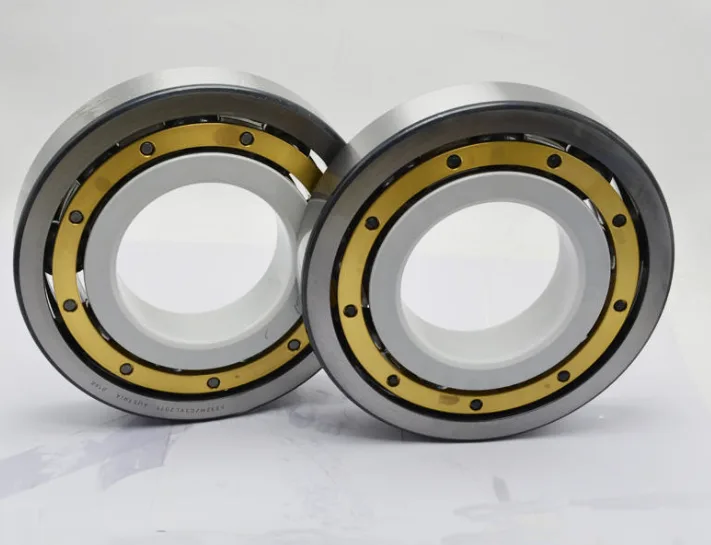
Why Bearing Quality Matters for Importers
Quality bearings reduce friction, support radial and axial loads, and ensure smooth rotational motion in mechanical systems. Substandard bearings cause premature failures, equipment downtime, and costly repairs. Importers must understand that inspecting quality at the source prevents receiving defective products across international borders. Verification before shipping eliminates return logistics, customs complications, and financial losses associated with non-conforming goods. The reliability of Automotive Wheel Bearing – yifeng components is particularly critical for vehicle safety.
Understanding Bearing Types and Their Quality Requirements
Different bearing types serve specific applications with varying load capacities and precision requirements. Deep groove ball bearings handle combined radial and axial loads in electric motors and pumps. Angular contact ball bearings excel in high-speed applications requiring precise axial positioning. Cylindrical roller bearings provide high radial load capacity for heavy machinery. Each type demands unique quality parameters that importers must evaluate accordingly. Self-aligning ball bearings accommodate shaft deflection in conveyor systems. Needle roller bearings maximize load capacity in limited radial space applications. Automotive wheel bearings must withstand extreme temperature variations and vibration. Learn more about Angular Contact Ball Bearing – yifeng specifications and Cylindrical Roller Bearing – yifeng quality standards.
Material Quality Indicators
High-quality bearings use chrome steel (AISI 52100), stainless steel, or specialty alloys depending on application requirements. Check for consistent grain structure through metallurgical analysis reports. Verify chromium content between 1.0-1.65% in chrome steel for optimal hardness and wear resistance. Request material certifications from suppliers including heat treatment records and chemical composition reports. Magnetic particle inspection reveals surface and near-surface defects in raw materials. Material traceability documentation confirms genuine steel grades rather than recycled or inferior substitutes. Understanding Needle Roller Bearing – yifeng material requirements helps ensure proper alloy selection.
Manufacturing Standards and Certifications
International standards provide benchmarks for bearing quality verification. ISO 69487 establishes requirements for steel quality, heat treatment, and dimensional precision in finished bearings. Manufacturers should demonstrate compliance with ISO 9001 quality management systems. Third-party certifications from recognized testing laboratories validate conformance claims. Request copies of inspection certificates covering dimensional accuracy, hardness testing, and noise level measurements. Traceable batch numbers enable quality tracking throughout the supply chain. Refer to www.iso.org for official ISO standards documentation.
Visual Inspection Criteria
Visual examination reveals surface defects indicating manufacturing or handling issues. Inspect raceways for scoring, spalling, or discoloration suggesting improper heat treatment. Check rolling elements for pits, rust spots, or surface irregularities affecting rotation. Cage integrity assessment ensures proper pocket geometry and rivet condition. Seals and shields must exhibit uniform compression without distortion. Surface finish quality correlates directly with friction coefficients and operational longevity. Pillow Block Bearing – yifeng housings require particular attention to seal integrity during visual inspection.
Dimensional Verification Methods
Precision measurement confirms adherence to specified tolerances. Verify bore diameter, outer diameter, and width using calibrated gauges accurate to 0.001mm. Measure radial clearance to ensure appropriate fits for operating conditions. Check chamfer dimensions and surface roughness using profilometers. Radial runout and axial runout measurements indicate manufacturing precision. Internal clearance affects heat generation and load distribution within bearing assemblies. The Self-Aligning Ball Bearing – yifeng requires precise internal geometry verification to ensure proper self-alignment capability.
Surface Finish Requirements
Surface roughness directly influences lubrication film formation and friction losses. Optimal raceway roughness ranges between 0.1-0.2 micrometers Ra for most applications. Excessive roughness accelerates wear while overly polished surfaces may cause lubrication film breakdown. Evaluate surface texture using interference microscopy or contact profilometry. Microgeometry variations affect noise generation during operation. Consistency across production batches indicates stable manufacturing processes. For detailed surface measurement standards, consult www.w3.org accessibility guidelines on measurement documentation.
Testing Procedures for Quality Verification
Performance testing validates bearing suitability for intended applications. Noise testing using specialized equipment measures vibration amplitudes at designated speeds. Load testing determines fatigue life under simulated operating conditions. Speed rating verification confirms maximum rotational limits. Torque measurement assesses starting and running friction characteristics. These tests require specialized equipment typically available at qualified testing laboratories. Industry testing protocols are documented in the en.wikipedia.org technical references for bearing performance evaluation.
Packaging and Labeling Verification
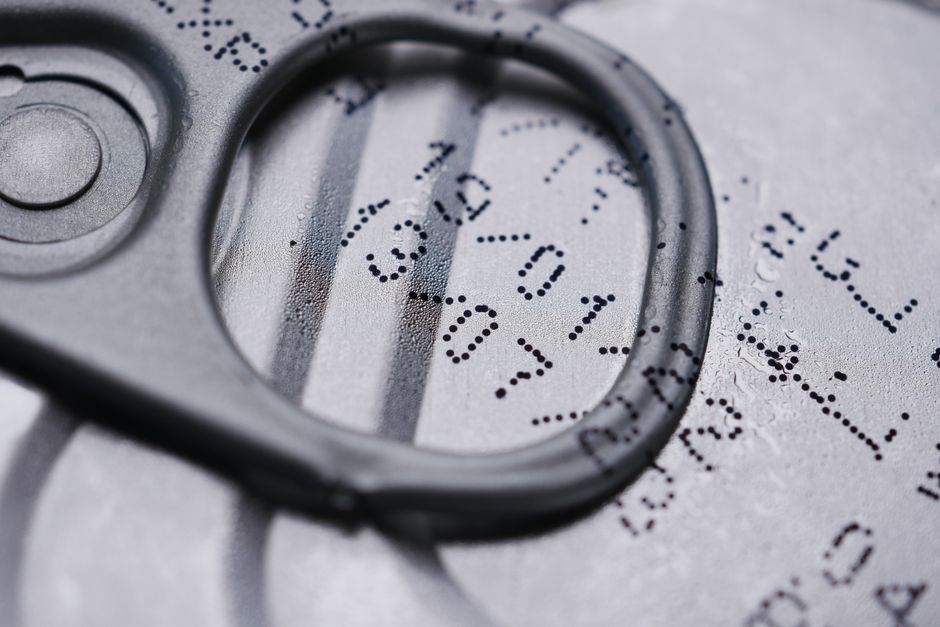
Proper packaging protects bearings during transit and storage. Individual wrapping in防锈纸 prevents corrosion during ocean shipping. Outer packaging must display clear product identification, quantity, and handling instructions. Verify manufacturer lot numbers match accompanying documentation. Anti-corrosion packaging with VCI (volatile corrosion inhibitor) technology provides additional protection. Improper packaging compromises quality even for perfectly manufactured bearings. Supply chain security measures are outlined in www.nist.gov guidelines for international trade.
Supplier Audit and Documentation Checklist
Systematic supplier evaluation reduces procurement risks. Request factory audit reports from third-party inspection companies. Verify manufacturing capabilities including equipment, personnel qualifications, and quality control procedures. Review quality history through returned goods reports and customer feedback. Request sample bearings for independent laboratory testing before committing to bulk orders. Documentation completeness indicates organizational maturity and quality commitment. Technical specifications for supplier verification are available through developers.google.com best practices for business verification.
Key Quality Indicators Comparison
| Quality Factor | Acceptable Range | Inspection Method |
|---|---|---|
| Surface Roughness | 0.1-0.2 μm Ra | Profilometer |
| Hardness (Chrome Steel) | 61-65 HRC | Rockwell Tester |
| Radial Clearance | Per ISO standard | Gauge Measurement |
| Noise Level | Manufacturer spec | Sound Testing |
| Dimensional Tolerance | P0-P5 grades | CMM/Gauges |
Common Quality Defects to Identify
Recognizing common defects prevents accepting substandard products. Surface cracks indicate fatigue damage or improper handling. Rust and corrosion suggest moisture exposure during storage or packaging failures. Brinelling appears as indentation from excessive loads or improper mounting. Fretting manifests as oxidation between mating surfaces under vibration. These defects compromise bearing performance and service life regardless of other quality attributes.
Pre-Shipment Inspection Protocol
Implementing structured inspection procedures ensures consistent quality verification. Establish acceptance criteria based on application requirements and industry standards. Sample inspection using AQL (Acceptable Quality Level) sampling plans balances thoroughness with cost efficiency. Document all findings with photographs and measurement records. Maintain communication channels with suppliers for immediate corrective action when defects appear. Third-party inspection services provide objective evaluation for international shipments.
Frequently Asked Questions
What hardness range indicates quality bearing steel?
Quality chrome steel bearings typically exhibit hardness between 61-65 HRC after proper heat treatment. Hardness below 58 HRC suggests inadequate heat treatment or material issues affecting wear resistance.
How can I verify bearing material authenticity?
Request material certifications including chemical composition reports and heat treatment records. Spectrographic analysis confirms alloy composition matches specifications. Reputable suppliers provide traceability documentation linking finished products to raw material batches.
What inspection equipment is essential for bearing quality verification?
Essential equipment includes precision gauges for dimensional measurement, Rockwell hardness testers, surface roughness profilometers, and noise testing apparatus. Calibrated instruments with traceable certification ensure measurement accuracy.
Should I request samples before placing bulk orders?
Sample evaluation provides risk mitigation before significant commitments. Test samples under actual operating conditions to verify performance characteristics. Multiple sample batches from different production runs indicate process consistency.
What documentation should accompany bearing shipments?
Quality shipments include material certifications, heat treatment records, dimensional inspection reports, noise test results, and packaging specifications. Lot traceability documentation enables issue investigation if quality problems emerge during application.