
How Can You Extend the Service Life of Agricultural Bearings?
Agricultural bearings operate in demanding environments where dust, moisture, debris, and heavy loads are constant challenges. Extending the service life of agricultural bearings requires a systematic approach that combines proper installation, regular maintenance, appropriate lubrication, and environmental protection. This article provides comprehensive guidance on maximizing bearing performance and durability in farming equipment applications.
Understanding Agricultural Bearing Applications and Operating Conditions
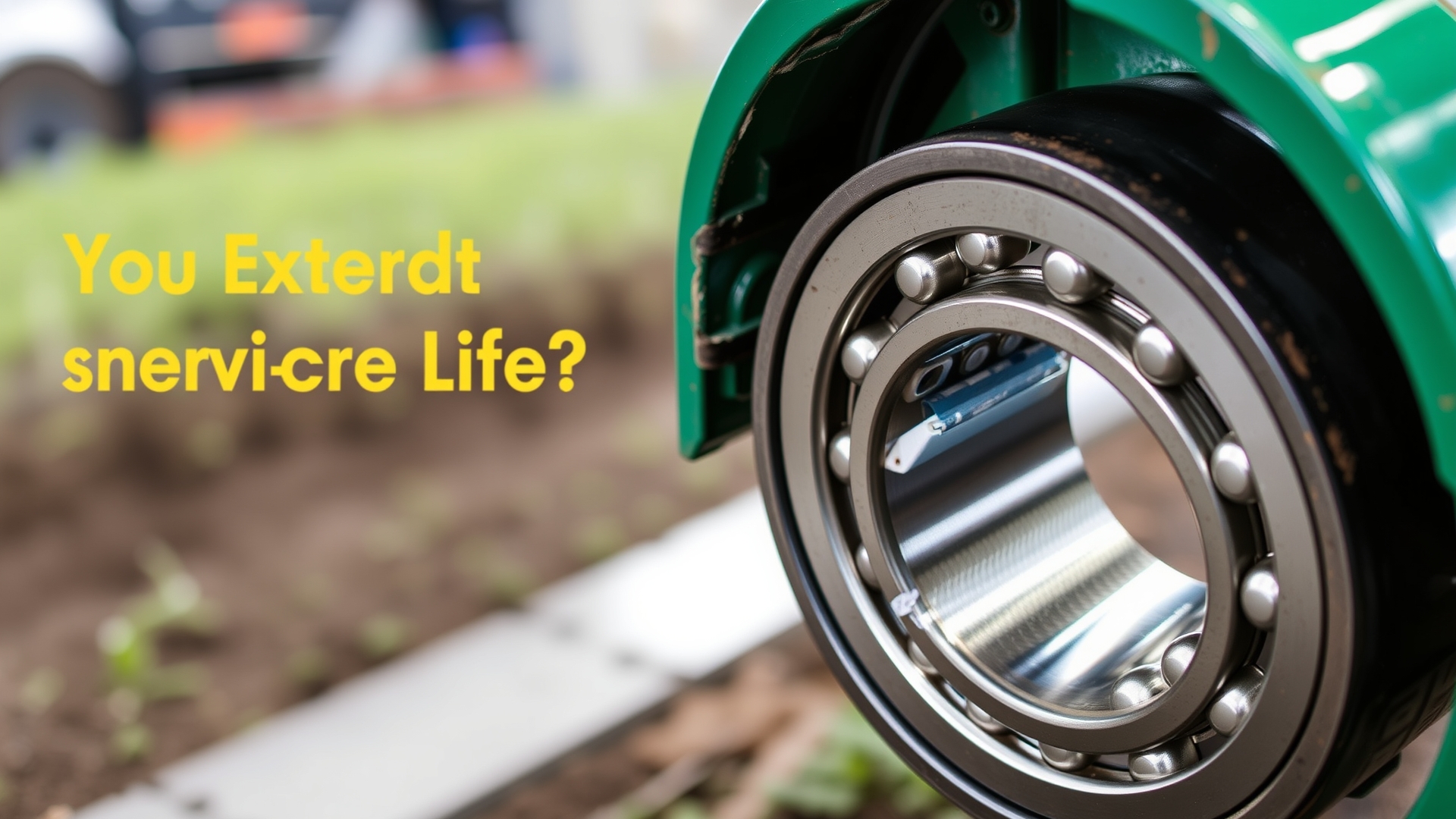
Agricultural machinery subjects bearings to unique stress patterns that differ significantly from industrial applications. Tractors, combines, seeding equipment, and irrigation systems all require bearings that can withstand shock loads, vibrations, and intermittent operation. The deep groove ball bearing serves as a common choice for many agricultural applications due to its ability to handle both radial and axial loads simultaneously.
Field conditions introduce contamination factors that accelerate bearing wear. Soil particles, plant residue, fertilizers, and cleaning water frequently enter bearing housings during operation. Understanding these challenges allows operators to implement targeted maintenance strategies that address specific failure modes. Equipment manufacturers typically specify bearing types based on load calculations and environmental exposure levels.
Proper Installation Techniques for Maximum Bearing Life
Correct installation prevents premature failures that account for approximately 30% of bearing replacements in agricultural settings. Press-fit installations require clean mating surfaces without burrs, dents, or scoring. Using proper bearing insertion tools distributes force evenly across the bearing race, avoiding damage to rolling elements and cages.
Alignment verification should occur before and after equipment startup. Misaligned shafts create uneven load distributions that stress bearing components asymmetrically. The self-aligning ball bearing offers some compensation for minor misalignment, but excessive angular deviation still reduces service life significantly. Checking shaft runout with dial indicators provides quantitative assurance of proper installation quality.
Lubrication Best Practices for Agricultural Bearings
Adequate lubrication forms a protective film between rolling elements and raceways, preventing metal-to-metal contact that causes wear. Agricultural bearings typically require grease lubrication that resists washout from water and contamination. Grease compatibility matters when relubricating—mixing incompatible greases creates chemical reactions that compromise lubrication properties.
Relubrication intervals depend on operating speed, temperature, and environmental exposure severity. High-speed applications require more frequent lubrication than slow-speed heavy-duty operations. Over-greasing generates heat buildup, while under-greasing allows metal contact and accelerated wear.
The choice between grease and oil lubrication depends on application-specific factors including speed rating, operating temperature, and sealing effectiveness. Oil lubrication offers superior heat dissipation for high-speed applications, while grease provides better sealing against contamination in field conditions.
Contamination Prevention Strategies
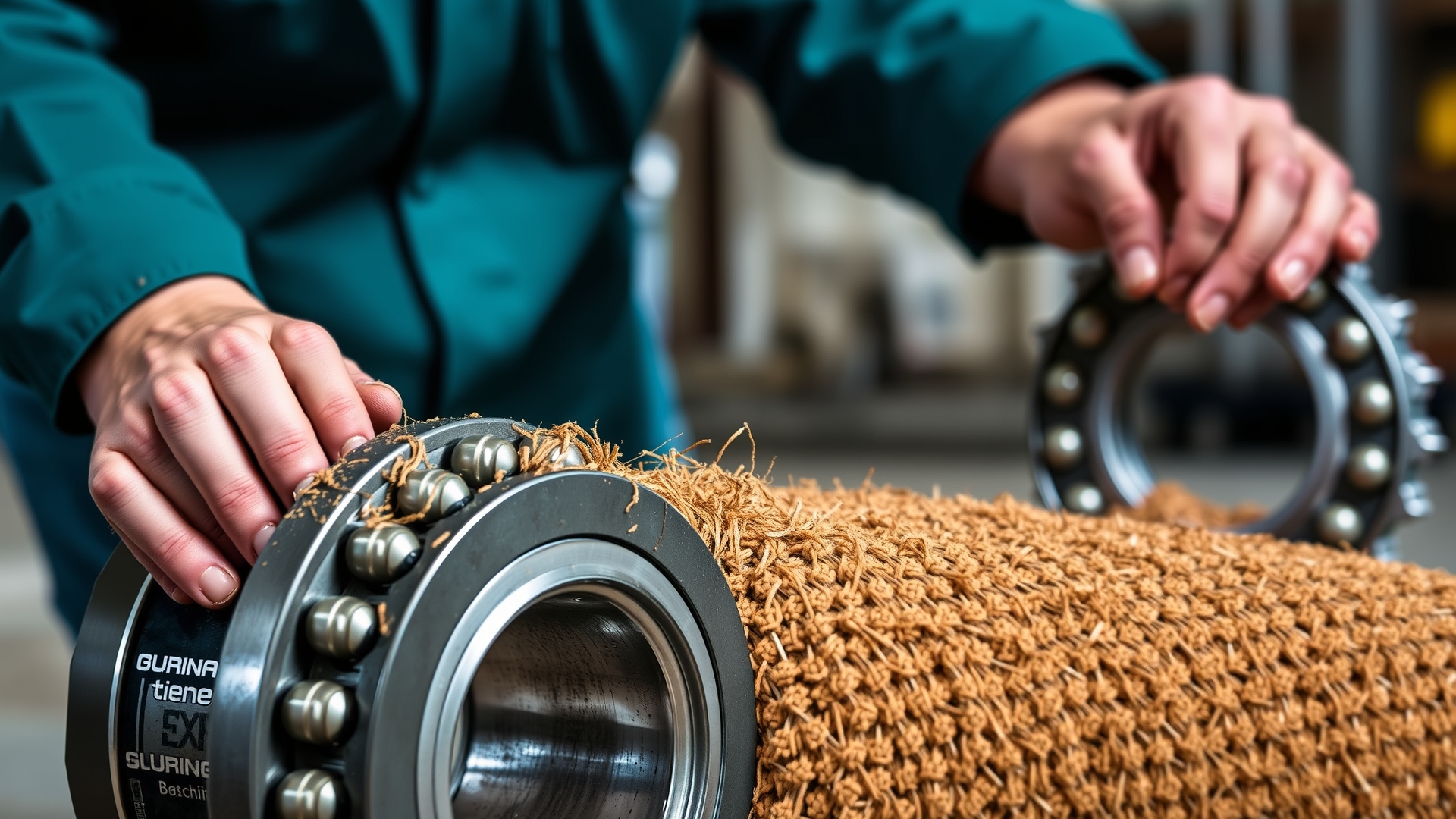
Seals and shields constitute the first defense against contamination entry into bearing cavities. Agricultural equipment operates in dusty environments where fine soil particles can penetrate conventional seals. Triple-lip seals and labyrinth seal designs provide enhanced protection for demanding applications like combine headers and tillage equipment.
Regular seal inspection identifies wear patterns that indicate contamination exposure. Damaged seals allow entry of abrasive particles that accelerate surface fatigue and wear. Replacing seals during bearing service intervals prevents contamination-related failures that typically manifest as rust pitting and surface scoring on raceways.
The pillow block bearing configuration offers advantages for contamination-prone applications because it provides self-contained housing with integrated sealing options. These mounted bearing units simplify replacement procedures and ensure proper seal alignment during installation.
Regular Maintenance and Inspection Schedules
Preventive maintenance schedules extend bearing service life by identifying developing problems before catastrophic failures occur. Visual inspections should check for evidence of lubricant leakage, seal damage, and unusual movement. Temperature monitoring with infrared thermography detects overheating conditions that indicate inadequate lubrication or misalignment issues.
Vibration analysis provides early warning of bearing degradation before audible symptoms become apparent. Establishing baseline vibration signatures enables comparison against subsequent measurements to track bearing condition. Industry guidance on maintenance best practices emphasizes documentation of inspection findings for trend analysis.
Replacement intervals should balance economic considerations against failure risk. Running bearings to complete failure increases collateral damage to housings, shafts, and adjacent components. Planned replacement during seasonal equipment downtime minimizes operational disruptions while ensuring bearing condition.
Load Management and Operating Conditions
Excessive loads accelerate bearing fatigue and reduce service life proportionally. Agricultural equipment operators should avoid prolonged operation at maximum load ratings when lighter loads would suffice. Reducing ground speed during tillage operations decreases dynamic loading on rotating components including bearings.
The cylindrical roller bearing handles higher radial loads than ball bearings due to line contact between rollers and raceways. These bearings suit applications with heavy static and dynamic loads such as grain augers and heavy tillage equipment. Selecting appropriate bearing types for specific load conditions prevents premature failures.
Shock loads from hitting obstacles or sudden equipment engagement stress bearing components beyond normal operating conditions. Operators should exercise caution during field operations to minimize impact loading. Equipment manufacturers provide load ratings based on standard test conditions that may not fully represent field shock loading.
Environmental Considerations and Seasonal Storage
Seasonal equipment storage presents unique challenges for agricultural bearings. Moisture accumulation during storage periods causes corrosion that compromises bearing surfaces. Proper storage preparation includes thorough cleaning, complete lubrication, and application of protective coatings to exposed surfaces.
Humid storage environments accelerate corrosion even in properly lubricated bearings. Desiccant packs inside equipment housings during storage absorb moisture that would otherwise condense on metal surfaces. Sealing bearing openings prevents rodent intrusion that damages seals and contaminates lubricant cavities.
Equipment startup after storage requires careful inspection to verify bearing condition. Corrosion damage may not be immediately apparent until operation reveals roughness or increased torque. Pre-season inspections provide opportunity to replace compromised bearings before field operations begin.
Selecting the Right Bearing Type for Agricultural Applications
Bearing selection influences equipment reliability throughout the machine lifecycle. Different agricultural applications require specific bearing characteristics that manufacturers design into specialized product lines. Understanding bearing types helps operators make informed replacement decisions.
The angular contact ball bearing handles combined radial and thrust loads in applications like disc harrows and rotary cutters where directional forces predominate. These bearings require precise mounting orientation to function correctly under combined loading conditions.
The needle roller bearing offers high load capacity in compact cross-sections suitable for applications with limited mounting space. Agricultural implement jacks and fold mechanisms benefit from needle roller bearing designs that fit confined spaces while maintaining load capacity.
The automotive wheel bearing found on towed equipment and trailed implements requires periodic adjustment and lubrication maintenance. Hub assemblies on grain carts and seed wagons operate under combined loading from equipment weight and field terrain impacts.
Summary: Key Strategies for Extending Agricultural Bearing Life
Extending agricultural bearing service life requires attention to multiple factors throughout equipment operation and maintenance cycles. Proper installation prevents stress concentrations that initiate fatigue failures. Adequate lubrication maintains separation between moving surfaces while dissipating heat generated during operation.
Contamination prevention through effective sealing protects bearing interiors from abrasive particles that accelerate wear. Regular inspection schedules identify developing problems before they cause equipment downtime. Appropriate bearing selection ensures adequate capacity for specific application requirements.
- Verify proper installation including alignment and press-fit conditions
- Maintain lubrication schedules based on operating conditions and manufacturer recommendations
- Inspect and replace seals at recommended intervals
- Monitor bearing temperature and vibration for early degradation detection
- Select bearings with adequate load ratings and contamination protection
- Prepare equipment properly for seasonal storage periods
- Document maintenance activities for trend analysis and warranty purposes
Implementing these practices reduces bearing replacement frequency, minimizes equipment downtime, and improves overall agricultural operation productivity.
Frequently Asked Questions
How often should agricultural bearings be lubricated?
Lubrication frequency depends on operating conditions, speed ratings, and environmental exposure. Standard agricultural equipment typically requires relubrication every 50-200 operating hours. dusty or wet conditions may necessitate more frequent intervals. Always follow equipment manufacturer recommendations for specific applications.
What are signs that agricultural bearings need replacement?
Common warning signs include unusual noise during operation, excessive play or looseness, visible seal damage, lubricant leakage, and elevated operating temperatures. Vibration analysis can detect internal degradation before external symptoms appear. Replace bearings showing any of these indicators promptly.
Can contaminated bearings be cleaned and reused?
Contaminated bearings should generally be replaced rather than cleaned for reuse. Cleaning processes may not remove embedded particles from raceway surfaces, and residual contamination accelerates subsequent wear. New bearings ensure proper surface conditions and remaining service life.
What causes agricultural bearings to fail prematurely?
Common failure causes include improper installation, inadequate lubrication, contamination penetration, excessive loads, and corrosion during storage. Approximately 30% of bearing failures relate to installation issues, while lubrication problems account for another significant percentage.
Should original equipment bearings be replaced with aftermarket alternatives?
Quality aftermarket bearings from reputable manufacturers can provide acceptable service life at reduced cost. However, matching original specifications ensures compatibility with equipment requirements. Verify bearing quality certifications and warranty terms when selecting replacement options.