
How Do You Choose the Right Motorcycle Crankshaft?
Choosing the right motorcycle crankshaft requires understanding engine specifications, bearing compatibility, and material requirements for your specific application. This guide covers the essential factors that determine crankshaft selection, from displacement matching to bearing type coordination, helping riders and mechanics make informed purchasing decisions for optimal engine performance and longevity.
Understanding Motorcycle Crankshaft Basics
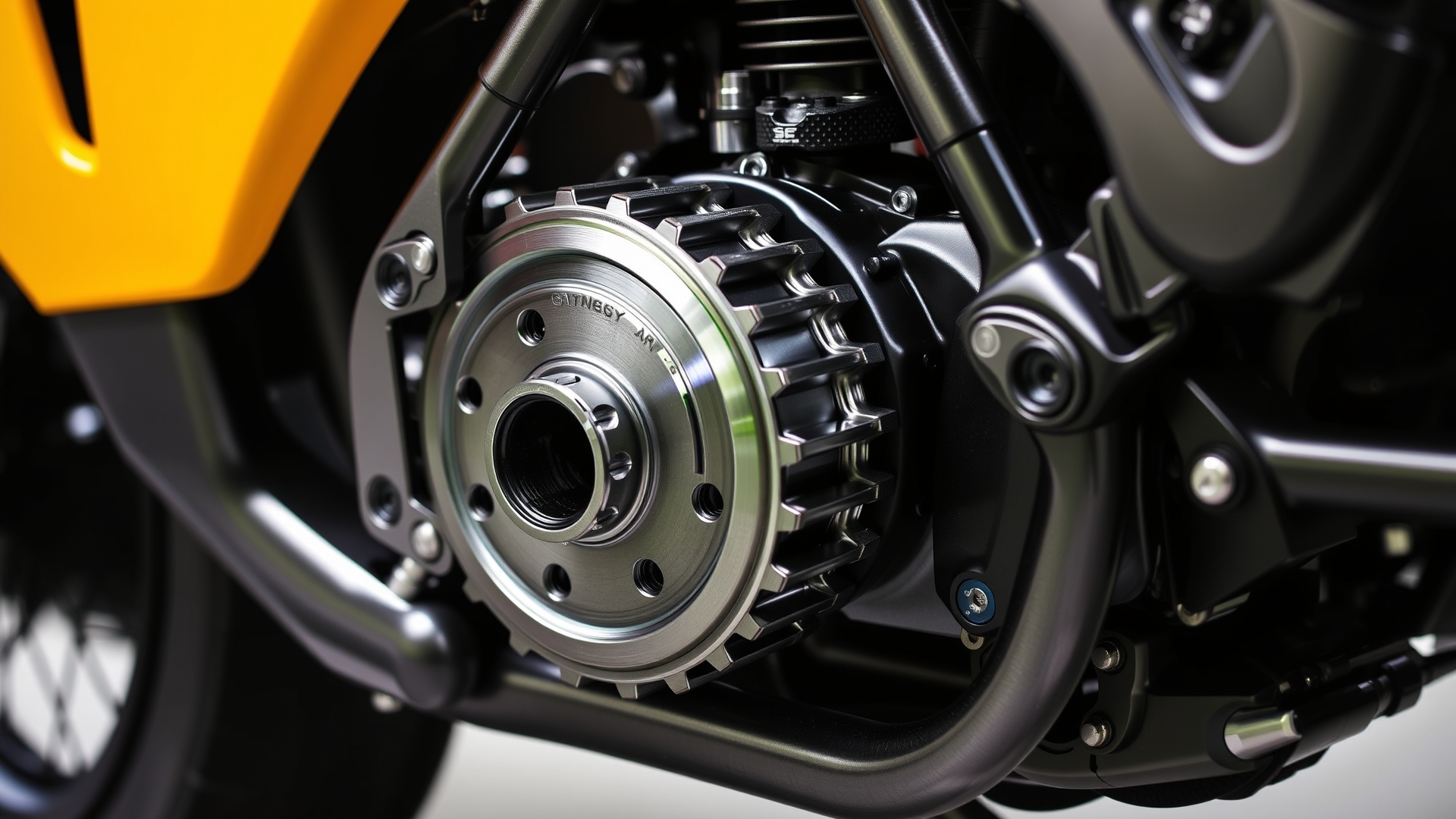
A motorcycle crankshaft converts reciprocating motion into rotational power through offset crank pins and counterweights. The assembly typically includes the mainshaft, crank pins, connecting rod bearings, and counterweights machined as a single unit or assembled from separate components. Each design serves specific engine configurations ranging from single-cylinder to multi-cylinder V-twin layouts.
The mainshaft bears the primary rotational loads and requires support from precision-engineered bearings. Different bearing types handle varying load directions and magnitudes. For instance, Angular Contact Ball Bearing – yifeng manage combined radial and axial loads common in high-performance engines, while Deep Groove Ball Bearing – yifeng primarily support pure radial forces.
Matching Crankshaft to Engine Displacement
Engine displacement dictates fundamental crankshaft dimensions including stroke length, main journal diameter, and rod bearing size. Single-cylinder motorcycles from 125cc to 500cc typically use smaller diameter mainshafts ranging from 20mm to 35mm, while larger displacement engines require 40mm to 50mm diameter mainshafts. Stroke length directly correlates with piston travel and affects torque characteristics.
High-displacement multi-cylinder engines demand crankshafts with greater mass and stronger counterweights to manage higher inertial forces.
Bearing Types and Their Functions
Motorcycle crankshafts rely on several bearing categories, each serving distinct mechanical purposes within the engine assembly. Selecting appropriate bearings requires understanding load patterns, rotational speeds, and lubrication availability in each application zone.
- Main bearings: Support the crankshaft within engine cases and handle primary radial loads
- Rod bearings: Connect the connecting rod to crank pins and manage oscillating loads
- Thrust bearings: Control axial crankshaft movement within the engine
Main bearings often employ Cylindrical Roller Bearing – yifeng for their high load-carrying capacity in radial directions. These bearings excel in applications where the crankshaft experiences significant side loads during power transmission. Deep groove ball bearings provide an alternative for lighter-duty applications requiring smoother operation.
Material Selection for Crankshaft Construction
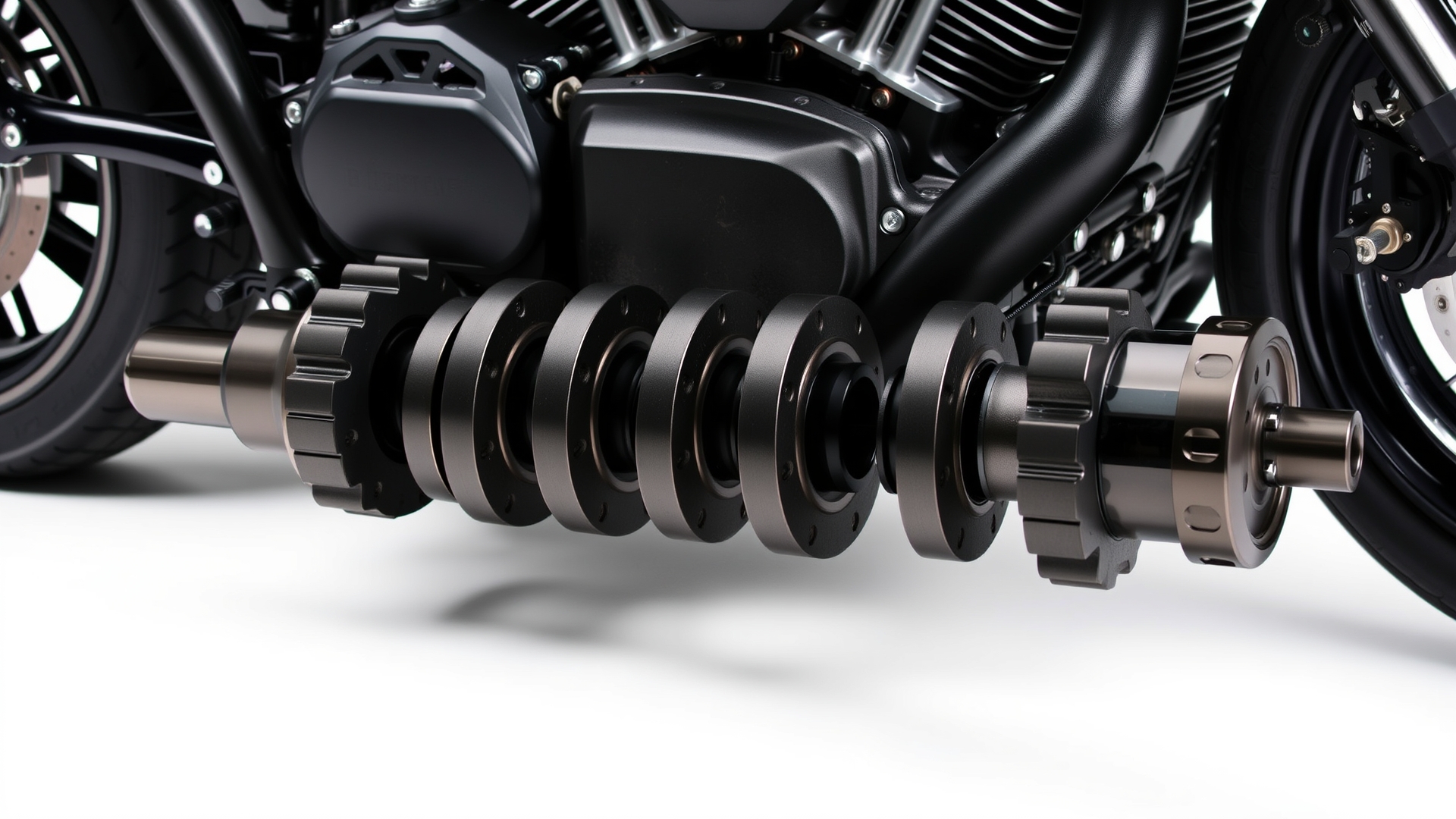
Crankshaft materials determine strength, fatigue resistance, and weight characteristics essential for performance durability. Forged steel remains the industry standard for high-stress applications, offering superior tensile strength and impact resistance compared to cast alternatives.
Specific material choices affect bearing compatibility and wear characteristics. Billet steel crankshafts provide excellent machinability for custom applications where precise tolerances matter. Heat treatment processes including case hardening and induction hardening improve surface durability where bearings make contact, extending service life under repeated stress cycles.
Material documentation and compliance with international standards ensures consistent quality across manufacturers. Reference to en.wikipedia.org helps verify material properties and manufacturing consistency.
Rod Bearing Considerations
Connecting rod bearings in motorcycle engines face unique challenges due to oscillating loads and limited oiling in some designs. Bearing shells must accommodate both high load peaks during power strokes and reduced loads during exhaust and intake strokes without fatigue failure.
Common rod bearing materials include tri-metal constructions with steel backing, copper-lead layers, and Babbitt surfaces. Each material combination offers specific advantages regarding load capacity, embedability, and corrosion resistance. Needle Roller Bearing – yifeng occasionally replace shell bearings in high-performance applications requiring reduced bearing thickness and increased load capacity.
Crankshaft Fit and Tolerances
Proper fit between crankshaft journals and bearings determines longevity and performance. Tolerances typically range from 0.02mm to 0.05mm clearance for main bearings, with rod bearings requiring similar or slightly tighter clearances depending on the specific engine design.
Fit classifications include line-to-line, loose, and tight interference fits. Mainshaft fit in engine cases requires careful consideration of thermal expansion during operation. Improper fit leads to bearing spin, fretting, or premature wear requiring complete engine teardown to address.
Quality Indicators and Inspection Points
Evaluating crankshaft quality involves checking surface finish on bearing journals, verifying straightness with a dial indicator, and inspecting for heat treatment consistency. Professional-grade crankshafts show ground and polished bearing surfaces with roughness values below 0.4 microns for optimal oil film formation.
| Quality Factor | Acceptable Range | Premium Range |
|---|---|---|
| Journal Surface Finish | 0.4-0.8 micron Ra | 0.2-0.4 micron Ra |
| Runout Tolerance | 0.03-0.05mm | 0.01-0.02mm |
| Hardness (surface) | 52-58 HRC | 58-62 HRC |
| Balance Quality | G16-G6.3 | G2.5-G1 |
Web dimensions and counterweight geometry affect dynamic balance, which directly influences engine smoothness and vibration levels. Higher balance quality grades indicate better mass distribution and reduced harmonic vibrations that cause bearing wear and rider discomfort.
Installation and Break-In Procedures
Correct installation prevents premature failure and ensures bearing surfaces establish proper oil clearances during initial operation. Pre-loading procedures vary by engine design, with some requiring bearing setup with specific lubricants before final assembly.
- Clean all bearing surfaces and oil passages thoroughly before installation
- Apply assembly lube to bearing shells and crank pins
- Torque fasteners to specifications using calibrated tools
- Verify crankshaft rotates freely without binding
- Perform initial break-in at reduced RPM before full operation
Common Mistakes to Avoid
Several errors frequently cause crankshaft and bearing failures in motorcycle engines. Using incorrect bearing clearances leads to oil starvation or metal contact. Mixing bearing materials or using mismatched shells creates uneven wear patterns and accelerated fatigue.
Improper torque sequences during installation distort bearing surfaces and alter clearances from specification. Skipping important components like thrust washers or not verifying crankshaft straightness after shipping creates premature failures. Understanding these pitfalls helps avoid costly engine damage during rebuilds. Pillow Block Bearing – yifeng provide examples of proper bearing support systems that maintain alignment.
When to Replace vs. Recondition
Crankshaft replacement becomes necessary when journals show excessive wear, scoring, or heat damage beyond machining recovery. Reground crankshafts can return to service if material remains sufficient and no fatigue cracks exist. Welding repairs work for certain applications but require experienced machinists familiar with heat-affected zones.
Cost considerations often determine repair vs. replacement decisions. High-quality aftermarket or OEM replacement crankshafts provide known specifications and warranty coverage, while machining existing components saves cost but introduces uncertainty regarding material condition and hidden damage. Automotive Wheel Bearing – yifeng demonstrates similar quality considerations in bearing selection for high-stress applications.
Conclusion
Selecting the right motorcycle crankshaft involves matching displacement requirements, bearing compatibility, material specifications, and quality standards for your specific application. Professional consultation remains valuable when navigating complex technical specifications or high-performance builds where margins for error diminish significantly.
Frequently Asked Questions
- How do I determine the correct crankshaft for my motorcycle engine?
- Match displacement, cylinder count, and rod length specifications from your service manual. OEM part numbers provide baseline reference for quality aftermarket or original equipment replacements.
- Can I use different bearing types than the original specification?
- Alternative bearings must match load capacity, dimensions, and fit specifications. Consult bearing manufacturer compatibility charts before substituting materials or designs.
- What causes crankshaft bearing failure in motorcycle engines?
- Primary causes include insufficient oil pressure, contaminated lubrication, improper clearances, and excessive rpm beyond design limits. Regular maintenance prevents most bearing failures.
- How often should crankshaft straightness be checked?
- Inspect during major engine rebuilds, after any incident causing engine vibration, or when experiencing unexplained oil consumption or bearing wear patterns.
- Are aftermarket crankshafts reliable for high-performance applications?
- Quality aftermarket crankshafts from established manufacturers meet or exceed OEM specifications. Verify material certifications, quality control documentation, and compatibility with your specific engine before purchase.