
How Do You Choose Bearings for Food Processing Equipment?
Choosing bearings for food processing equipment requires balancing sanitation standards, load requirements, and regulatory compliance in demanding production environments. The right bearing selection directly impacts equipment reliability, food safety, and operational efficiency in facilities where contamination is unacceptable. This guide provides a systematic framework for evaluating bearing options across the critical factors that matter most in food-grade applications. For equipment manufacturers looking to improve their online visibility, en.wikipedia.org offers foundational information on search engine optimization strategies.
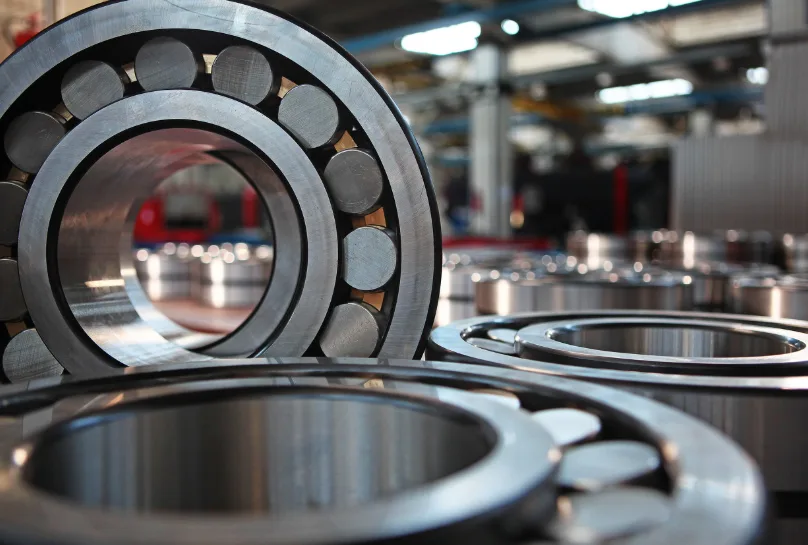
Understanding Food Processing Bearing Requirements
Food processing environments present unique challenges that differentiate them from standard industrial applications. Bearings must withstand frequent washdown cycles, exposure to corrosive cleaning agents, and temperature variations during production. The primary regulatory standard governing bearing materials is established by the International Organization for Standardization, with ISO 69487 providing guidance on stainless steel specifications for bearing components. Equipment operators must prioritize bearings that prevent bacterial harboring and maintain structural integrity under thermal stress.
Sanitation requirements drive material selection more than any other factor in food applications. USDA and FDA regulations mandate smooth surfaces that resist particle accumulation and enable thorough cleaning. This eliminates standard bearings with crevices or organic debris traps. Deep Groove Ball Bearing offer the smooth raceway geometry necessary for hygiene compliance while providing reliable radial load support in filling and packaging equipment.
Critical Selection Criteria for Food-Grade Bearings
The bearing selection process begins with analyzing load characteristics specific to each piece of equipment. Conveyors typically require radial load capacity, while mixing equipment demands combined radial and thrust capability. Angular Contact Ball Bearing – yifeng excel in applications requiring simultaneous radial and axial support, making them suitable for centrifugal separators and high-speed filling valves. Equipment designers should calculate dynamic load ratings with safety factors appropriate to intermittent operation patterns common in batch processing.
Temperature range determines lubricant selection and housing materials for food processing bearings. Deep freeze applications (-30°C) and high-temperature cooking operations (200°C+) require specialized compounds. Standard lubricants fail rapidly under thermal cycling, so food-grade synthetic lubricants rated for the operating range are mandatory. Equipment specifications should document temperature exposure duration to ensure bearing life calculations account for thermal degradation.
Corrosion resistance determines bearing housing and sealing material choices in acidic or alkaline food environments. Cylindrical Roller Bearing – yifeng in stainless steel housings resist damage from fruit acids, dairy products, and salt solutions that degrade carbon steel components. The material compatibility table below summarizes corrosion resistance ratings for common bearing configurations.
| Bearing Type | Material | Corrosion Resistance | Max Temperature | Typical Application |
|---|---|---|---|---|
| Deep Groove Ball | 440C Stainless | High | 150°C | Filling valves, bottling |
| Angular Contact Ball | 316L Stainless | Very High | 180°C | Centrifugal separators |
| Cylindrical Roller | 52100 Chrome Steel + Coating | Medium | 120°C | Conveyor rollers |
| Needle Roller | Stainless Steel | High | 140°C | Packaging equipment |
Bearing Types and Their Food Processing Applications
Different bearing designs serve specific functions within food processing equipment. Self-Aligning Ball Bearing – yifeng accommodate shaft deflection and misalignment in conveyor systems, reducing premature failure from alignment stress. Their double-row design provides robust performance where vibration and shock loads occur during product handling. These bearings work well in applications where maintenance access is limited and bearing longevity reduces downtime frequency.
Pillow Block Bearing – yifeng provide convenient mounting solutions for equipment requiring frequent bearing replacement. In food processing, corrosion-resistant pillow blocks with split housings enable rapid servicing without complete equipment disassembly. Their self-aligning capability accommodates shaft movement during operation. These units appear frequently in dough mixing equipment where shaft deflection during batch processing stresses bearing components.
Needle Roller Bearing – yifeng offer high load capacity in compact configurations suitable for space-constrained packaging machinery. Their slender rollers provide maximum load area per envelope dimension, critical for narrow-track conveyors and form-fill-seal equipment. Stainless steel needle roller bearings withstand the high-frequency vibration encountered in pneumatic packaging systems without premature fatigue failure.

Sealing and Lubrication Considerations
Effective sealing prevents food product contamination while protecting bearings from environmental ingress. Contact seals provide superior protection but generate friction heat in high-speed applications. Non-contact labyrinth seals offer lower friction but require periodic inspection to verify contamination exclusion. The operating environment dictates seal type selection, with wet environments favoring contact seals and dusty conditions requiring labyrinth designs.
Lubrication strategy determines bearing service life in food processing applications. Pre-lubricated sealed bearings eliminate lubrication maintenance but limit operating temperature range. Relubricatable designs enable fresh lubricant introduction during operation, extending service intervals in high-temperature applications. H1-rated food-grade lubricants comply with FDA regulations for incidental food contact, providing safety assurance in processing environments.
Automatic lubrication systems deliver consistent lubricant supply in production facilities with continuous operation schedules. These systems prevent dry-running damage during washdown sequences when manual lubrication access becomes impossible. Programmable delivery timing ensures optimal lubricant quantities without over-greasing that attracts debris. Installation costs recover through reduced maintenance labor and extended bearing life in demanding applications.
Regulatory Compliance and Documentation
Food processing equipment bearing specifications must demonstrate compliance with applicable food safety standards. The Codex Alimentarius provides international guidance on food safety requirements that influence bearing selection for export equipment. Documentation of material certifications, lubricant food-grade ratings, and third-party testing validates compliance during facility audits. Purchasing specifications should reference relevant standards to ensure supplier accountability.
Equipment designers specify bearings using proven industry standards rather than proprietary designations when possible. Standard dimensions facilitate replacement sourcing and reduce equipment downtime during maintenance. The ISO 69487 standard establishes boundary dimensions and load ratings that enable cross-reference between manufacturers. This standardization supports inventory management for facilities operating multiple equipment types.
Third-party certification programs verify bearing performance in food processing conditions. Organizations conduct accelerated life testing and contamination resistance evaluation to certify products for specific applications. Certified bearings carry documentation simplifying regulatory compliance demonstration during facility inspections. The investment in certified products reduces liability exposure from bearing-related contamination incidents.
Maintenance and Replacement Scheduling
Predictive maintenance programs extend bearing service life through condition monitoring before failure occurs. Vibration analysis detects early-stage damage in rolling elements before operational problems manifest. Temperature monitoring identifies lubrication degradation or contamination ingress that accelerates wear. Regular inspection intervals depend on production intensity, with high-throughput facilities requiring more frequent assessment.
Replacement intervals depend on operating conditions rather than arbitrary time schedules. Heavy loads, elevated temperatures, and washdown frequency accelerate bearing degradation. Equipment manufacturers specify replacement intervals based on standardized testing, but field conditions often differ from laboratory conditions. Monitoring actual performance provides more accurate replacement timing than manufacturer recommendations alone.
Spare bearing inventory ensures maintenance capability without production delays. Stocking critical replacement bearings near equipment reduces mean repair time during planned maintenance windows. Inventory levels depend on bearing criticality and supplier lead times. Common sizes across multiple equipment types justify maintaining inventory, while specialized bearings warrant just-in-time procurement arrangements.
Selection Checklist for Food Processing Bearings
Equipment designers and maintenance managers should evaluate bearings against these criteria before final selection:
- Operating temperature range and thermal cycling frequency
- Radial and thrust load requirements with safety factors
- Corrosion resistance for specific food products and cleaning agents
- Food-grade lubricant certification and re-lubrication capability
- Sealing effectiveness for operating environment
- Regulatory compliance documentation availability
- Manufacturer support and replacement part availability
- Installation clearance and mounting requirements
Each criterion influences total cost of ownership beyond initial purchase price. The lowest-cost bearing often incurs higher lifecycle expenses through frequent replacement and production losses. Evaluating total cost across the equipment service life guides selection toward optimal value rather than minimum initial investment.
Common Mistakes in Food Processing Bearing Selection
Specifying standard industrial bearings in food processing applications causes premature failure and contamination risk. Standard bearings lack corrosion-resistant materials and appropriate sealing for washdown environments. The cost differential between industrial and food-grade bearings is minimal compared to contamination incident expenses. Food safety must take priority over bearing cost minimization.
Overlooking lubrication compatibility with cleaning procedures causes rapid seal and bearing degradation. High-pressure washdown can force water past seals into bearing cavities, washing out lubricant. Selecting bearings with enhanced sealing and appropriate lubricant compounds prevents washdown-related damage. Equipment cleaning procedures should match bearing specifications to avoid operational problems.
Ignoring shaft alignment requirements during installation causes bearing loads beyond design capacity. Misalignment generates radial and thrust loads that reduce bearing life exponentially. Proper installation procedures and alignment verification prevent alignment-related failures. Maintenance training should emphasize alignment verification as a critical installation step.
Summary and Recommendations
Selecting bearings for food processing equipment requires systematic evaluation of sanitation requirements, load conditions, and regulatory compliance. Deep Groove Ball Bearing – yifeng serve general-purpose applications where corrosion resistance and smooth surfaces are primary concerns. Angular Contact Ball Bearing – yifeng handle combined radial and thrust loads in high-speed processing equipment. Cylindrical Roller Bearing – yifeng provide high radial capacity for conveyor and material handling applications.
Stainless steel construction ensures corrosion resistance against food acids and cleaning solutions. Food-grade lubricants prevent contamination while providing adequate film strength for load requirements. Enhanced sealing protects bearing internals from washdown ingress while maintaining hygienic external surfaces. Documentation of compliance certifications simplifies regulatory verification during facility audits.
Predictive maintenance programs extend bearing service life through condition-based replacement rather than calendar intervals. Stocking critical replacement bearings enables responsive maintenance without production delays. Training maintenance personnel on proper installation and alignment procedures prevents premature failures from avoidable causes. These practices maximize bearing return on investment while maintaining food safety compliance.
Frequently Asked Questions
What is the main difference between food-grade and standard industrial bearings?
Food-grade bearings use corrosion-resistant stainless steel construction, food-safe lubricants, and enhanced sealing to prevent contamination and withstand frequent washdown. Standard industrial bearings lack these features and fail rapidly in food processing environments.
How often should bearings be replaced in food processing equipment?
Replacement intervals depend on operating conditions including load, temperature, and washdown frequency. Predictive monitoring using vibration and temperature data determines optimal replacement timing better than fixed schedules. High-throughput equipment may require quarterly inspection while batch processing equipment operates longer between replacements.
Can standard bearings be used in food processing with frequent cleaning?
Standard bearings should not be used in food processing applications due to corrosion risk and contamination potential. Food-grade bearings provide necessary corrosion resistance and surface finish compliance. The cost premium for food-grade bearings is minimal compared to contamination incident consequences.
What certifications should food processing bearings have?
Bearings should carry H1 food-grade lubricant certification for incidental contact applications. Material certifications confirming stainless steel composition ensure corrosion resistance. Third-party verification from organizations like 3-A Sanitary Standards provides additional compliance assurance.