
Understanding Bearing Types and Their Functions
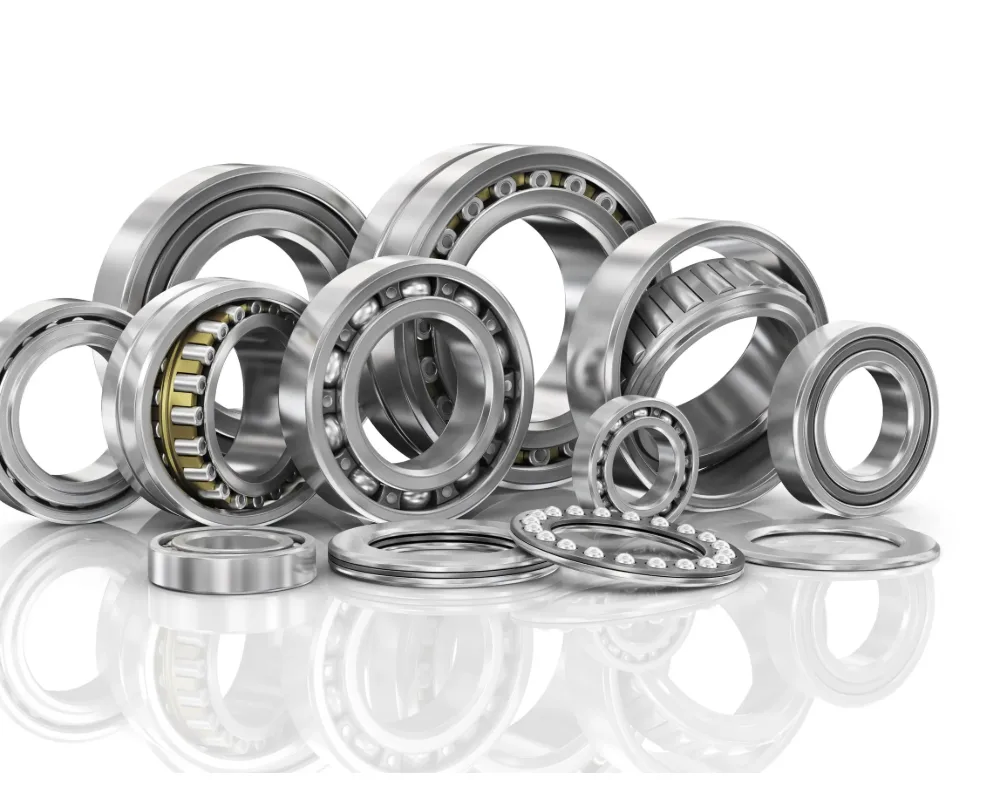
Choosing the right bearing starts with understanding the different types of bearing solutions available in the industrial market. Bearings are designed to reduce friction, support rotational movement, and improve machinery efficiency. Common bearing types include ball bearings, roller bearings, needle bearings, thrust bearings, and spherical roller bearings.
Ball bearings are widely used in high-speed applications because of their low friction and smooth operation. Roller bearings are ideal for handling heavy radial loads in industrial machinery and automotive systems. Needle roller bearings are suitable for compact equipment with limited installation space, while thrust bearings are specifically designed to support axial loads. Selecting the proper industrial bearing type can significantly improve machine reliability and operating performance.
Key Factors to Consider When Selecting a Bearing
Several important factors should be evaluated before choosing a bearing for industrial equipment. Load capacity is one of the most critical considerations, as bearings must withstand both radial and axial forces during operation. High-speed applications typically require precision bearings with low heat generation and reduced vibration.
Operating environment also plays a major role in bearing selection. Equipment exposed to moisture, chemicals, or dust often requires sealed bearings or corrosion-resistant bearing materials. Temperature conditions, lubrication methods, and shaft alignment should also be considered to ensure long-term performance and reduced maintenance costs.
In demanding industries such as mining, manufacturing, and heavy equipment, durable roller bearing systems are often preferred because of their high load-carrying capacity and extended service life.
The Importance of Bearing Materials and Lubrication
Bearing material directly affects durability, speed capability, and resistance to wear. Chrome steel bearings are commonly used in industrial applications due to their strength and affordability, while stainless steel bearings provide better corrosion resistance in harsh environments. Ceramic bearings are becoming increasingly popular for high-speed and high-temperature applications because they generate less friction and require minimal maintenance.
Proper lubrication is equally important for maximizing bearing life. Grease-lubricated bearings are suitable for standard industrial equipment, while oil lubrication systems are commonly used in high-speed machinery and heavy-load applications. Adequate lubrication reduces friction, prevents overheating, and minimizes premature bearing failure.
Using the right combination of bearing material and lubrication method can greatly improve operational efficiency and reduce downtime.
Common Industrial Applications for Bearings
Industrial bearings are essential components across many industries, including automotive manufacturing, agriculture, mining, aerospace, renewable energy, and industrial automation. Deep groove ball bearings are commonly used in electric motors, pumps, and conveyors due to their versatility and high-speed performance.
Tapered roller bearings are widely applied in vehicle wheel hubs and construction machinery because they can support combined loads. Spherical roller bearings are commonly found in heavy-duty mining equipment and vibrating machinery where shaft misalignment may occur. Precision bearings are also critical in robotics, CNC machines, and medical equipment where accuracy and stability are required.
As modern industries continue to adopt automation and smart manufacturing technologies, demand for high-performance bearing solutions continues to increase worldwide.
About Our Company
ET Group is committed to providing professional technology solutions and business support services for global clients. The company specializes in digital transformation, data analytics, AI and machine learning solutions, governance risk and compliance services, as well as enterprise technology consulting. With strong expertise in industrial technology integration and intelligent business systems, ET Group helps customers improve operational efficiency, optimize project management, and enhance long-term business competitiveness.
The company also focuses on delivering customized solutions for cross-border business operations, helping clients adapt to rapidly changing global markets through innovative technologies and professional consulting services.
FAQ
What factors should I consider when choosing a bearing?
Key factors include load capacity, speed, operating environment, lubrication method, and temperature conditions.
Which bearing type is best for heavy loads?
Roller bearings are generally the best choice for heavy-load industrial applications.
How long do industrial bearings typically last?
Bearing lifespan depends on operating conditions, maintenance, and lubrication quality, but high-quality bearings can last for many years.
What causes bearing failure?
Common causes include poor lubrication, contamination, overload, overheating, and improper installation.
Are ceramic bearings better than steel bearings?
Ceramic bearings offer lower friction and better high-speed performance, while steel bearings are more cost-effective for general industrial use.