
What Is a Bearing and Why Is It Important in Industrial Equipment?
A bearing is a critical mechanical component designed to reduce friction between moving parts and improve operational efficiency. In modern industrial systems, rolling bearings, ball bearings, roller bearings, and precision bearings are widely used in motors, conveyors, pumps, automotive systems, and heavy machinery. High-quality industrial bearings not only improve machine performance but also extend equipment lifespan and reduce maintenance costs.
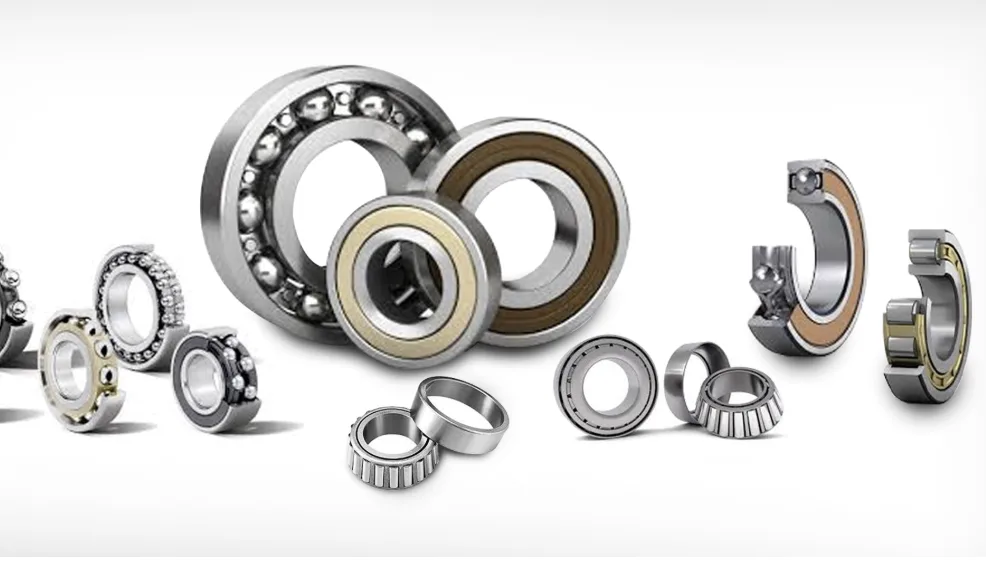
Different types of bearings are designed for specific applications. For example, deep groove ball bearings are commonly used in electric motors, while tapered roller bearings are ideal for handling heavy radial and axial loads in automotive and construction equipment. Choosing the correct bearing solution directly impacts productivity, energy efficiency, and operational stability.
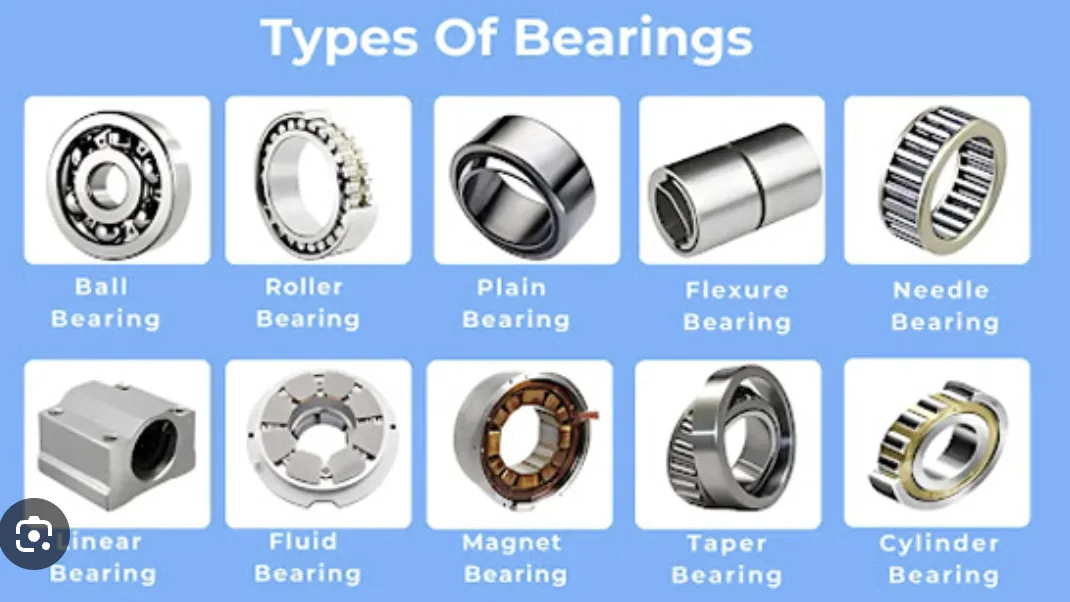
Common Types of Bearings and Their Industrial Applications
Industrial bearing systems are available in multiple designs to meet diverse working conditions. Ball bearings are known for high-speed performance and low friction, making them suitable for electric motors and household appliances. Roller bearings provide higher load capacity and are commonly used in mining equipment, steel plants, and industrial gearboxes.
Needle bearings are compact and ideal for applications with limited installation space. Spherical roller bearings can compensate for shaft misalignment and are frequently used in heavy-duty machinery and vibration equipment. Meanwhile, thrust bearings are specifically engineered to support axial loads in automotive transmissions, turbines, and marine equipment.
With the growing demand for automation and smart manufacturing, precision bearing technology has become increasingly important in robotics, CNC machines, and aerospace applications.
How to Choose the Right Bearing for Your Equipment
Selecting the right bearing requires consideration of several factors, including load type, rotational speed, operating temperature, lubrication method, and environmental conditions. For high-speed applications, low-friction precision bearings are preferred, while heavy-load equipment often requires durable roller bearing solutions.
Proper lubrication is also essential for bearing performance. Grease-lubricated bearings are widely used in general industrial applications, while oil-lubricated systems are more suitable for high-temperature or high-speed environments. In harsh industrial settings, corrosion-resistant bearings and sealed bearing units help protect equipment from dust, moisture, and contaminants.
Regular bearing maintenance, including vibration monitoring and temperature inspection, can significantly reduce unexpected downtime and improve production efficiency.
Future Trends in Bearing Technology and Smart Manufacturing
The global bearing industry is rapidly evolving alongside Industry 4.0 and intelligent manufacturing technologies. Advanced bearing manufacturers are now integrating smart sensors into industrial bearings to monitor temperature, vibration, and lubrication conditions in real time. Predictive maintenance solutions help factories reduce equipment failures and optimize operational efficiency.
Energy-saving bearing designs are also becoming more popular in renewable energy systems, electric vehicles, and automated production lines. Lightweight materials, ceramic bearings, and high-precision manufacturing technologies are driving the next generation of industrial bearing solutions.
As industries continue to pursue automation and sustainability, demand for reliable, high-performance bearing systems will continue to grow across manufacturing, transportation, mining, and energy sectors.
About Our Company
Based on the information provided on the company website, ET Group focuses on delivering professional consulting, technology integration, data analytics, AI/ML solutions, governance, risk & compliance services, and cross-border business support. The company also provides digital transformation solutions, enterprise technology consulting, and innovative business support services across multiple industries. With strong technical expertise in data analytics, IT systems, AI technologies, and project risk management, ET Group helps clients improve operational efficiency, reduce risks, and accelerate business transformation.
FAQ
What are the most common types of bearings?
The most common bearing types include ball bearings, roller bearings, needle bearings, thrust bearings, and spherical roller bearings.
How do I know when a bearing needs replacement?
Common signs include unusual noise, overheating, excessive vibration, and reduced machine performance.
What is the difference between ball bearings and roller bearings?
Ball bearings are suitable for high-speed, light-load applications, while roller bearings handle heavier loads more effectively.
Why is bearing lubrication important?
Proper lubrication reduces friction, minimizes wear, prevents overheating, and extends bearing lifespan.
Which industries use industrial bearings the most?
Industrial bearings are widely used in automotive, mining, manufacturing, aerospace, agriculture, and energy industries.