
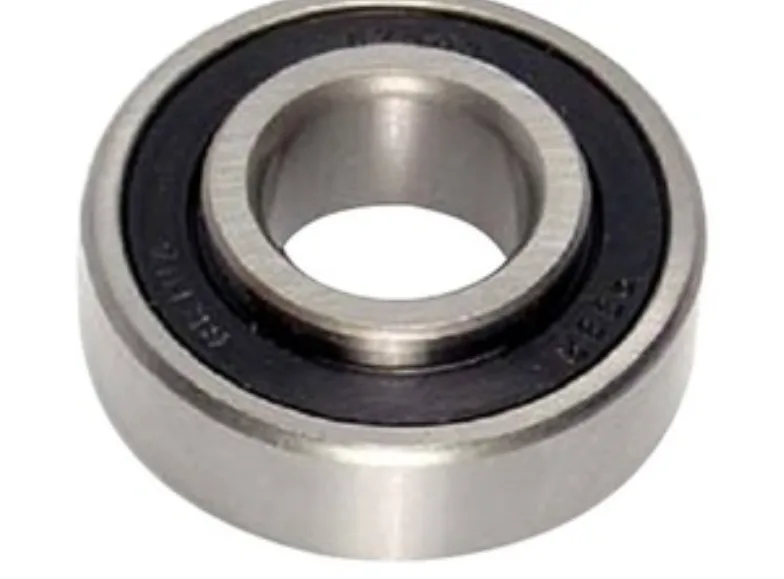
Why Are Deep Groove Ball Bearings So Widely Used?
Deep groove ball bearings are the most commonly used rolling bearings in modern machinery because they combine low friction, high rotational speed, simple design, and cost efficiency. From industrial conveyor systems to automotive wheel hubs, deep groove ball bearings support countless applications that require reliable and smooth rotation.
According to industry estimates, deep groove ball bearings account for a significant share of global bearing production due to their versatility and broad application range. Understanding why deep groove ball bearings are so widely used helps engineers, equipment manufacturers, and maintenance professionals make better bearing selection decisions.
What Are Deep Groove Ball Bearings?
Deep groove ball bearings are rolling-element bearings designed with continuous raceway grooves on both the inner and outer rings. This design allows the bearing to support radial loads while also accommodating moderate axial loads in both directions.
Main Components of a Deep Groove Ball Bearing
A standard deep groove ball bearing consists of:
- Inner ring
- Outer ring
- Steel balls
- Cage or retainer
- Lubrication system
- Optional seals or shields
Key Conclusion: The deep raceway geometry creates efficient load distribution and smooth rolling motion, which contributes directly to long service life.
For additional bearing resources, readers may explore ETOR’s Industrial Bearings category:
https://www.etorgroupblog.com/
Why Deep Groove Ball Bearings Are So Widely Used
The primary reason deep groove ball bearings are widely used is their ability to perform effectively across a broad range of operating conditions.
Excellent Versatility
Deep groove ball bearings operate successfully in:
- Electric motors
- Industrial conveyors
- Pumps
- Fans
- Gearboxes
- Automotive systems
- Agricultural machinery
Few bearing types can serve such a wide variety of equipment.
Low Friction Performance
Low friction characteristics reduce energy consumption and operating temperatures.
According to the U.S. Department of Energy, reducing mechanical friction contributes to improved industrial energy efficiency and lower operating costs.
External Reference:
High-Speed Capability
Deep groove ball bearings can accommodate higher rotational speeds than many roller bearing designs.
Applications requiring high-speed operation include:
- Electric motors
- HVAC equipment
- Machine tools
- Precision manufacturing systems
Key Conclusion: The combination of versatility, efficiency, and speed capability makes deep groove ball bearings the preferred choice for numerous industries.
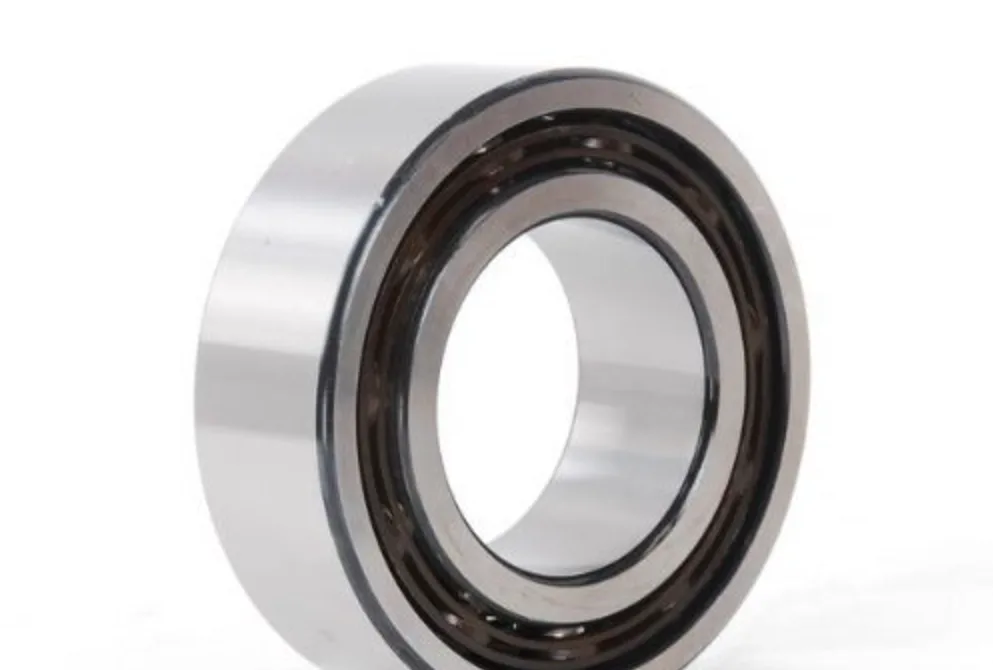
Key Advantages of Deep Groove Ball Bearings
Several engineering advantages explain the popularity of deep groove ball bearings.
Simple Design
A simple bearing structure reduces manufacturing complexity and maintenance requirements.
Benefits include:
- Easier installation
- Lower replacement costs
- Broad availability
- Standardized dimensions
Cost-Effective Performance
Deep groove ball bearings often provide the best balance between performance and cost.
| Feature | Deep Groove Ball Bearing |
|---|---|
| Initial Cost | Low |
| Maintenance Requirement | Low |
| Speed Capability | High |
| Load Capacity | Moderate |
| Service Life | Long |
Reduced Maintenance
Many modern deep groove ball bearings are supplied as sealed units.
Advantages include:
- Factory lubrication
- Improved contamination protection
- Reduced maintenance intervals
Low Noise Operation
Low vibration and low noise characteristics make these bearings suitable for electric motors and automation equipment.
Deep Groove Ball Bearings vs. Other Bearing Types
Different bearing designs serve different engineering requirements.
Bearing Comparison Table
| Bearing Type | Speed Capability | Load Capacity | Misalignment Tolerance | Typical Applications |
|---|---|---|---|---|
| Deep Groove Ball Bearing | High | Medium | Low | Motors, Conveyors |
| Spherical Roller Bearing | Medium | Very High | High | Mining Equipment |
| Tapered Roller Bearing | Medium | High | Medium | Wheel Hubs |
| Needle Roller Bearing | Medium | High | Low | Compact Machinery |
Comparison with Spherical Roller Bearings
Spherical roller bearings handle significantly higher loads but generally generate more friction.
Comparison with Tapered Roller Bearings
Tapered roller bearings are ideal for combined radial and axial loads but are typically more complex to install.
For related bearing technologies, readers may also review ETOR’s Automotive Bearings resources:
https://www.etorgroupblog.com/
Key Conclusion: Deep groove ball bearings offer the best overall balance between speed, simplicity, availability, and operating cost.
Common Applications of Deep Groove Ball Bearings
Deep groove ball bearings are used across nearly every industrial sector.
Industrial Conveyor Systems
Industrial conveyor systems rely on deep groove ball bearings because of their durability and high-speed capability.
Related ETOR category:
Industrial Bearings: https://www.etorgroupblog.com/
Electric Motors
Electric motors represent one of the largest application segments for deep groove ball bearings.
The International Electrotechnical Commission (IEC) publishes standards related to electric motor performance and reliability.
External Reference:
Automotive Components
Automotive manufacturers use deep groove ball bearings in:
- Alternators
- Transmission systems
- Cooling fans
- Electric vehicle auxiliary systems
Related ETOR category:
Auto Parts: https://www.etorgroupblog.com/
Motorcycle Components
Motorcycles use deep groove ball bearings in wheel assemblies, engines, and transmission systems.
Related ETOR resources:
Motorcycle Parts: https://www.etorgroupblog.com/
Motorcycle Valves: https://www.etorgroupblog.com/product/125-motorcycle-valve/
Motorcycle Gaskets: https://www.etorgroupblog.com/product/high-quality-motorcycle-gasket-for-honda-cbcbrretro/
Agricultural Equipment
Agricultural machinery often operates in dusty environments where sealed deep groove ball bearings help improve reliability.
How to Select the Right Deep Groove Ball Bearing
Proper bearing selection improves equipment performance and operating life.
Consider Load Requirements
Engineers should determine:
- Radial load
- Axial load
- Shock load conditions
Evaluate Operating Speed
Higher rotational speeds may require specialized lubrication systems.
Assess Environmental Conditions
Consider:
- Dust exposure
- Moisture
- Corrosion risk
- Temperature range
Choose Appropriate Sealing
Common sealing options include:
- Open bearings
- Shielded bearings
- Rubber-sealed bearings
Verify Service Life Requirements
The International Organization for Standardization (ISO) publishes bearing-related standards that assist with service life calculations.
External Reference:
Key Conclusion: Bearing selection should always consider load, speed, environment, and maintenance strategy simultaneously.
Common Causes of Deep Groove Ball Bearing Failure
Most deep groove ball bearing failures are preventable.
Inadequate Lubrication
Poor lubrication remains one of the leading causes of bearing damage.
Contamination
Dust, moisture, and debris can damage raceways and rolling elements.
Improper Installation
Incorrect mounting procedures may create preload issues and premature wear.
Overloading
Loads exceeding design limits accelerate fatigue failure.
Misalignment
Although deep groove ball bearings tolerate minor misalignment, excessive shaft misalignment reduces service life significantly.
| Failure Cause | Relative Risk |
|---|---|
| Contamination | High |
| Lubrication Issues | High |
| Overloading | Medium-High |
| Misalignment | Medium |
| Corrosion | Medium |
Future Trends in Deep Groove Ball Bearing Technology
Bearing technology continues to evolve with industrial automation and predictive maintenance systems.
Emerging developments include:
- Smart bearings with integrated sensors
- Advanced sealing materials
- Low-friction coatings
- Improved lubricant formulations
- Condition monitoring integration
According to industry forecasts, smart bearing technologies are expected to play an increasingly important role in Industry 4.0 manufacturing environments between 2025 and 2030.
Key Conclusion: Future deep groove ball bearings will combine traditional mechanical performance with digital monitoring capabilities.
Conclusion
Deep groove ball bearings are widely used because they provide an exceptional combination of simplicity, efficiency, reliability, affordability, and high-speed performance. Their ability to support radial loads, accommodate moderate axial loads, and operate across diverse industries makes them one of the most versatile bearing types available.
Whether used in industrial conveyor systems, electric motors, automotive assemblies, or agricultural equipment, deep groove ball bearings continue to be a fundamental component of modern machinery. Proper selection, installation, and maintenance remain essential for maximizing bearing performance and service life.
Frequently Asked Questions
1. Why are deep groove ball bearings more common than other bearing types?
Deep groove ball bearings are widely used because they offer a strong balance of speed capability, load handling, low friction, and cost efficiency. Their standardized design also makes them easy to source and replace across many industries.
2. Can deep groove ball bearings handle axial loads?
Yes. Deep groove ball bearings can support moderate axial loads in both directions in addition to radial loads. However, applications involving heavy axial forces may require specialized bearing designs such as angular contact or tapered roller bearings.
3. Are sealed deep groove ball bearings better than open bearings?
Sealed bearings often provide better protection against contamination and reduce maintenance requirements. Open bearings may be preferred in applications where relubrication is necessary or where operating temperatures exceed seal limitations.
4. What industries use deep groove ball bearings the most?
Major users include manufacturing, automotive, logistics, agriculture, mining support equipment, HVAC systems, and electric motor production. Their versatility allows them to serve both light-duty and medium-duty industrial applications.
5. How can the service life of deep groove ball bearings be extended?
Service life can be improved through proper lubrication, correct installation procedures, contamination control, alignment verification, and regular condition monitoring. Preventive maintenance programs often help identify issues before significant bearing damage occurs.