
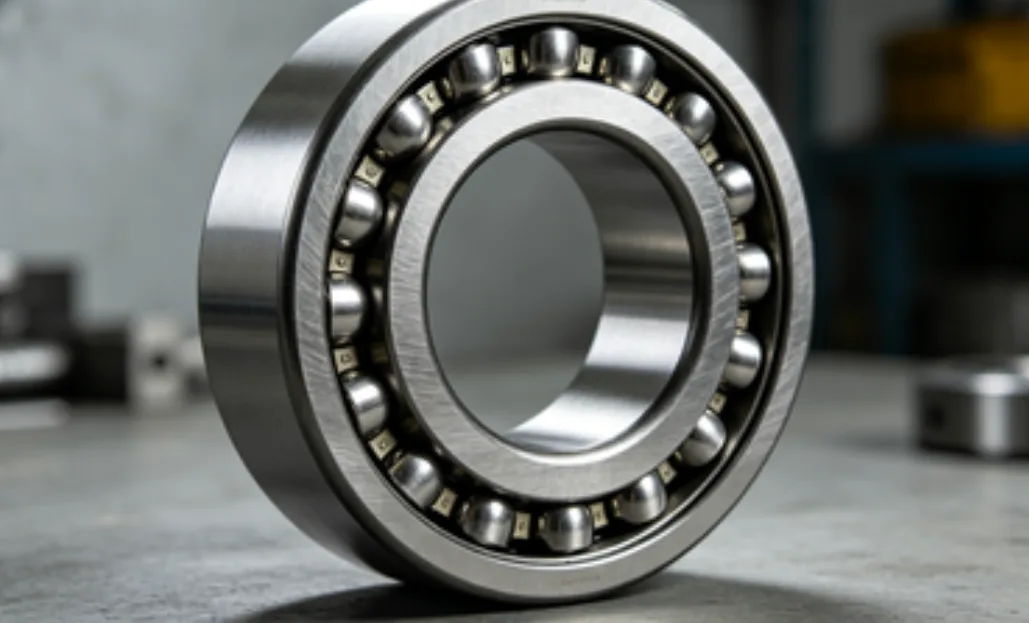
How to Choose Bearings for Industrial Conveyor Systems
Choosing the right bearings for industrial conveyor systems directly affects equipment reliability, maintenance costs, and production efficiency. A properly selected conveyor bearing can reduce downtime, improve load handling, and extend system lifespan in demanding industrial environments.
Industrial conveyor systems operate continuously in industries such as mining, logistics, food processing, manufacturing, and packaging. Because conveyor rollers, pulleys, and drive units rely on rotating components, bearing selection is one of the most important engineering decisions during system design and maintenance.
Why Bearings Are Critical in Industrial Conveyor Systems
Bearings are essential because they support rotating shafts while minimizing friction and wear. In industrial conveyor systems, bearings enable smooth movement of rollers, drive pulleys, and idler assemblies under continuous load conditions.
A conveyor bearing must withstand:
- Radial loads from transported materials
- Axial loads from belt tracking forces
- Continuous operating cycles
- Dust and contamination exposure
- Temperature variations
According to the U.S. Department of Energy’s Industrial Efficiency Program, friction reduction in rotating equipment contributes significantly to energy efficiency improvements across manufacturing facilities.
External Reference: https://www.energy.gov
Key Conclusion: Incorrect bearing selection often causes premature conveyor failures, excessive maintenance costs, and unexpected production interruptions.
Key Factors to Consider When Choosing Bearings for Industrial Conveyor Systems
Bearing selection should always begin with a detailed assessment of operating conditions.
1. Load Capacity Requirements
Load capacity is the most important selection factor. Conveyor bearings must support both static and dynamic loads generated by conveyed materials.
Typical conveyor loads include:
- Light-duty packaging conveyors
- Medium-duty warehouse systems
- Heavy-duty mining conveyors
- Bulk material handling conveyors
Higher loads generally require larger bearings or roller bearing designs.
2. Operating Speed
Operating speed determines bearing heat generation and lubrication requirements.
| Conveyor Type | Typical Speed Requirement |
|---|---|
| Packaging Conveyor | High Speed |
| Assembly Conveyor | Medium Speed |
| Mining Conveyor | Low-Medium Speed |
| Bulk Material Conveyor | Low Speed |
High-speed conveyor systems often utilize deep groove ball bearings because of their lower friction characteristics.
3. Environmental Conditions
Environmental factors strongly influence bearing life.
Common industrial conditions include:
- Dust exposure
- Moisture
- Chemical contamination
- High humidity
- Washdown environments
- Elevated temperatures
Facilities operating in harsh environments often require sealed or shielded bearing configurations.
4. Maintenance Accessibility
Maintenance accessibility affects total ownership cost.
If conveyor locations are difficult to access, maintenance-free or pre-lubricated bearings may reduce service requirements and downtime.
Common Bearing Types Used in Industrial Conveyor Systems
Different conveyor applications require different bearing designs.
Deep Groove Ball Bearings
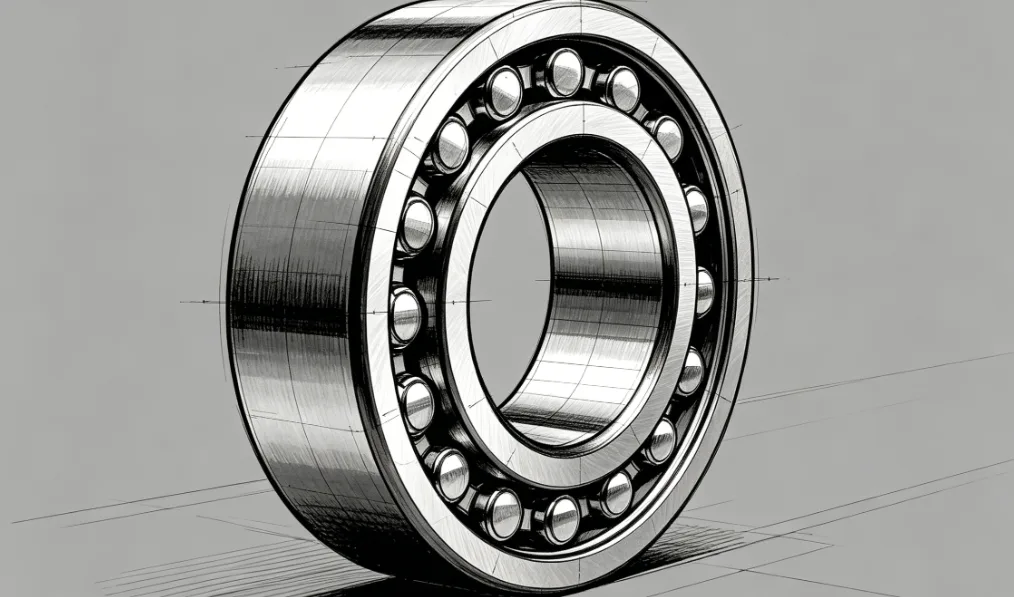
Deep groove ball bearings are the most widely used bearings for industrial conveyor systems.
Advantages:
- Low friction
- High rotational speed
- Cost-effective design
- Easy installation
Applications:
- Packaging conveyors
- Warehouse automation
- Light manufacturing systems
For additional bearing solutions, readers can explore ETOR’s Industrial Bearings category:
https://www.etorgroupblog.com/
Spherical Roller Bearings
Spherical roller bearings are designed for heavy-duty conveyor applications.
Advantages:
- High load capacity
- Misalignment tolerance
- Excellent shock resistance
Applications:
- Mining conveyors
- Cement plants
- Aggregate handling systems
Tapered Roller Bearings
Tapered roller bearings handle combined radial and axial loads effectively.
Applications include:
- Conveyor drive assemblies
- Heavy-duty pulley systems
- Bulk material handling equipment
Mounted Bearing Units
Mounted bearing units simplify installation and maintenance.
Benefits include:
- Pre-assembled design
- Faster replacement
- Improved alignment
Bearing Selection Comparison Table
| Bearing Type | Load Capacity | Speed Capability | Misalignment Tolerance | Typical Conveyor Application |
|---|---|---|---|---|
| Deep Groove Ball Bearing | Medium | High | Low | Packaging Systems |
| Spherical Roller Bearing | Very High | Medium | High | Mining Conveyors |
| Tapered Roller Bearing | High | Medium | Medium | Drive Pulleys |
| Mounted Bearing Unit | Medium | Medium | Medium | General Industrial Conveyors |
Key Conclusion: Deep groove ball bearings suit high-speed conveyor systems, while spherical roller bearings are preferred for heavy-load industrial applications.
Environmental Conditions and Bearing Performance
Environmental conditions often determine bearing lifespan more than load or speed.
Dust and Particulate Exposure
Dust contamination accelerates bearing wear by damaging raceways and rolling elements.
Industries affected include:
- Mining
- Cement production
- Agriculture
- Recycling facilities
Sealed bearings are commonly recommended in dusty environments.
Moisture and Washdown Conditions
Food processing and beverage manufacturing frequently involve washdown procedures.
The U.S. Food and Drug Administration provides sanitation guidance for food production facilities that influences equipment component selection.
External Reference: https://www.fda.gov
Corrosion-resistant bearings and specialized sealing systems are often required.
High-Temperature Operations
Elevated temperatures reduce lubricant effectiveness and increase wear rates.
According to industry estimates, bearing operating temperatures above recommended limits may significantly shorten service life.
How to Calculate Bearing Load Requirements
Accurate load calculations improve bearing reliability and service life.
Engineers typically evaluate:
- Conveyor weight
- Material weight
- Belt tension
- Shock loads
- Start-up loads
- Dynamic operating conditions
The International Organization for Standardization (ISO) publishes bearing-related standards used globally for bearing selection and performance evaluation.
External Reference: https://www.iso.org
Basic Bearing Selection Process
| Step | Description |
|---|---|
| 1 | Determine operating load |
| 2 | Calculate shaft speed |
| 3 | Evaluate environment |
| 4 | Select bearing type |
| 5 | Verify expected service life |
| 6 | Confirm lubrication method |
Key Conclusion: Load calculations should always include dynamic operating conditions rather than relying solely on static load estimates.
Common Bearing Failures in Conveyor Systems
Most conveyor bearing failures result from preventable causes.
Improper Lubrication
Insufficient lubrication remains one of the leading causes of bearing failure.
Contamination
Dust, moisture, and debris frequently damage rolling surfaces.
Misalignment
Poor shaft alignment creates uneven load distribution.
Overloading
Loads exceeding bearing design limits accelerate fatigue damage.
Installation Errors
Incorrect mounting procedures can reduce bearing life before operation even begins.
For related industrial components and power transmission applications, ETOR Group also offers information on:
- Industrial Bearings
- Automotive Bearings
- Auto Parts
- Motorcycle Parts
- ATV & Dirt Bike Components
Relevant Resources:
- Industrial Bearings: https://www.etorgroupblog.com/
- Automotive Bearings: https://www.etorgroupblog.com/
- Motorcycle Parts: https://www.etorgroupblog.com/
- Auto Parts: https://www.etorgroupblog.com/
- ATV Components: https://www.etorgroupblog.com/
Best Practices for Conveyor Bearing Maintenance
Preventive maintenance significantly extends bearing service life.
Recommended practices include:
- Monitor bearing temperature regularly
- Check vibration levels
- Maintain proper lubrication schedules
- Inspect seals and housings
- Replace damaged bearings promptly
- Verify shaft alignment periodically
Conclusion
Choosing the correct bearings for industrial conveyor systems requires careful evaluation of load capacity, operating speed, environmental conditions, maintenance requirements, and bearing design characteristics. No single bearing type fits every conveyor application.
Deep groove ball bearings are commonly used in high-speed systems, while spherical roller bearings excel in heavy-load environments. By combining proper engineering calculations, suitable sealing solutions, and preventive maintenance practices, industrial operators can improve conveyor reliability and reduce long-term operating costs.
Frequently Asked Questions
1. What is the best bearing type for industrial conveyor systems?
The best bearing depends on load, speed, and environmental conditions. Deep groove ball bearings are commonly used for high-speed conveyors, while spherical roller bearings are preferred for heavy-duty applications involving shock loads and shaft misalignment.
2. How long do conveyor bearings typically last?
Bearing life varies according to operating conditions, lubrication quality, contamination levels, and load factors. Under properly maintained conditions, industrial conveyor bearings can operate for several years before replacement becomes necessary.
3. Should conveyor bearings be lubricated regularly?
Most industrial conveyor bearings require periodic lubrication unless they are sealed-for-life units. Following manufacturer-recommended lubrication intervals helps reduce friction, prevent overheating, and extend bearing service life.
4. What causes conveyor bearings to fail prematurely?
Common causes include contamination, improper lubrication, overloading, installation errors, and shaft misalignment. Regular inspections and predictive maintenance programs help identify these issues before bearing damage becomes severe.
5. How do sealed bearings improve conveyor reliability?
Sealed bearings prevent dust, moisture, and debris from entering the bearing assembly. This protection reduces wear, preserves lubrication quality, and significantly improves reliability in harsh industrial environments such as mining, cement, and agricultural operations.