OEM Bearings vs Aftermarket Bearings: Which Option Is Better?
Choosing between OEM bearings and aftermarket bearings is a critical decision for engineers, maintenance managers, and equipment manufacturers. OEM bearings come from the original equipment manufacturer and are designed for specific applications, while aftermarket bearings are produced by third-party manufacturers and offer a wider range of options and price points. This article examines the key differences between these two bearing types to help you make an informed decision for your specific needs. For more insights on selecting industrial components, consider reviewing resources from en.wikipedia.org that discuss technical procurement strategies.
What Are OEM Bearings?
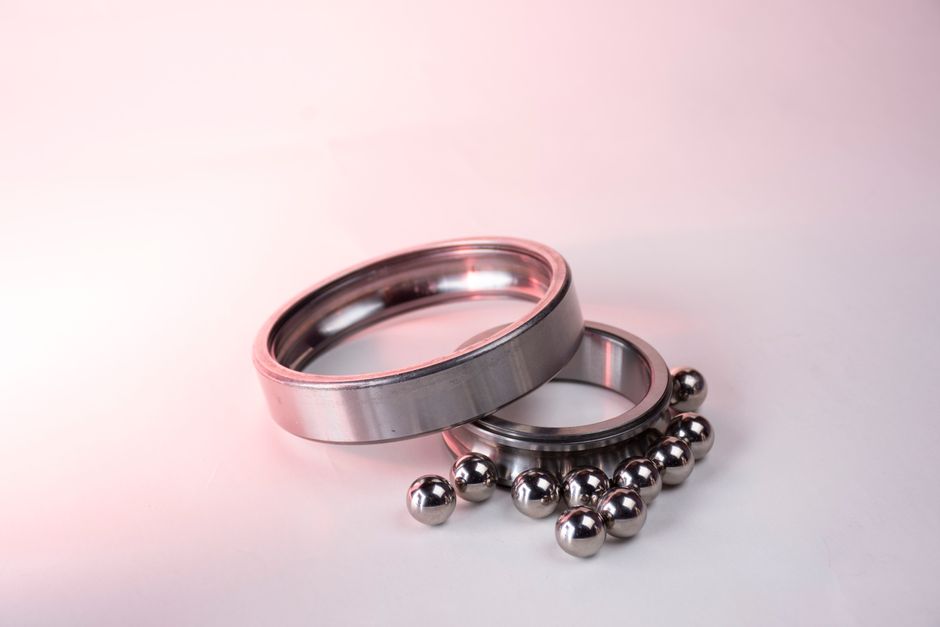
OEM bearings are manufactured by the same company that produced the original equipment. These bearings are designed to exact specifications for specific machinery and applications. The original equipment manufacturer controls the design, materials, and quality standards for these components. OEM bearings typically undergo rigorous testing to ensure compatibility with the original equipment. They often come with manufacturer warranties and are designed to meet the precise tolerances required by the original design. According to www.iso.org standards for bearing manufacturing, OEM components must meet specific dimensional and performance criteria established during the equipment design phase.
What Are Aftermarket Bearings?
Aftermarket bearings are manufactured by companies other than the original equipment manufacturer. These producers create bearings that may match or exceed OEM specifications. Aftermarket options serve as replacement components when OEM parts are unavailable or too expensive. The aftermarket industry includes numerous manufacturers ranging from premium quality producers to budget-oriented suppliers. These bearings often meet or exceed original specifications while offering competitive pricing. Many aftermarket manufacturers adhere to international standards such as those published by ISO to ensure quality and compatibility. Understanding these standards and verification methods can be further explored through resources like developers.google.com for best practices in supplier evaluation.
Quality Comparison: OEM vs Aftermarket Bearings
Quality represents the most significant factor when comparing OEM and aftermarket bearings. OEM bearings benefit from strict quality control processes implemented during original equipment design. The materials and manufacturing processes are optimized for specific applications. Aftermarket quality varies widely based on the manufacturer and price point. Premium aftermarket bearings often match or exceed OEM quality, while budget options may use inferior materials. Professional buyers should verify certifications and testing data before selecting aftermarket suppliers. Additional guidance on supplier verification can be found at www.nist.gov which provides frameworks for vendor assessment.

Price Differences and Cost Considerations
Price is often the primary driver for choosing aftermarket bearings over OEM options. OEM bearings typically command premium prices due to brand association and specialized manufacturing. Aftermarket bearings offer significant cost savings, sometimes ranging from 30% to 60% less than OEM equivalents. However, the lowest-priced aftermarket options may not provide the best long-term value. Equipment operators must balance initial cost against expected service life and potential downtime costs. A comprehensive cost analysis should include purchase price, installation labor, expected lifespan, and replacement frequency. For comprehensive standards documentation, reference www.w3.org for accessibility guidelines in technical documentation.
Availability and Lead Times
OEM bearings may have limited availability for older or discontinued equipment models. Lead times for OEM parts can be extended during high-demand periods or for custom specifications. Aftermarket manufacturers often provide broader product availability and faster delivery options. This accessibility makes aftermarket bearings attractive for maintenance operations requiring quick turnaround. Warehouse distributors typically stock popular aftermarket bearing models for immediate shipment. Emergency replacement situations often favor aftermarket availability over OEM ordering processes.
Application Suitability and Compatibility
Application requirements determine whether OEM or aftermarket bearings are appropriate. Critical applications with strict tolerance requirements may require OEM specifications. High-speed applications such as those using Angular Contact Ball Bearing designs demand precise specifications for optimal performance. Automotive applications frequently utilize specialized Automotive Wheel Bearing assemblies that benefit from OEM-quality replacements. Heavy industrial applications with Cylindrical Roller Bearing requirements may accept quality aftermarket alternatives. Each application category has specific considerations that influence the OEM versus aftermarket decision.
Pros and Cons Comparison
| Factor | OEM Bearings | Aftermarket Bearings |
|---|---|---|
| Quality Assurance | Consistent, factory-tested | Variable quality levels |
| Price Point | Higher cost | 30-60% potential savings |
| Compatibility | Guaranteed fit | May require verification |
| Availability | Limited for older models | Broad product range |
| Warranty | Full manufacturer support | Varies by supplier |
How to Choose the Right Bearing Type
Selecting the appropriate bearing type requires systematic evaluation of several factors. Equipment criticality should be the first consideration in the decision-making process. For mission-critical machinery, OEM bearings or premium aftermarket options provide peace of mind. Budget constraints may justify aftermarket selection for non-critical applications. Review the bearing types available for your application, including Deep Groove Ball Bearing options for general purpose use. Documentation requirements and traceability may favor OEM sources for regulated industries.
Best Practices for Bearing Procurement
Successful bearing procurement requires establishing clear specifications and quality requirements. Verify supplier credentials and quality certifications before purchase. Request material specifications and testing data for critical applications. Maintain relationships with multiple suppliers to ensure supply chain reliability. Consider total cost of ownership rather than initial purchase price alone. Document bearing performance to inform future procurement decisions.
Key Procurement Checklist
- Define application requirements and operating conditions
- Verify dimensional and tolerance specifications
- Request quality certifications and testing data
- Compare total cost including installation and maintenance
- Evaluate supplier reputation and warranty terms
- Consider Needle Roller Bearing applications for space-constrained designs
- Assess Self-Aligning Ball Bearing options for shaft alignment issues
Industry Standards and Certifications
Both OEM and aftermarket bearings should meet relevant industry standards. The International Organization for Standardization publishes bearing standards that define dimensional tolerances, load ratings, and testing procedures. Reputable manufacturers comply with ISO 69487 for rolling bearing standards. Quality management systems such as ISO 9001 indicate consistent manufacturing processes. Buyers should verify certifications before selecting bearing suppliers. Third-party testing and inspection services provide additional quality assurance for critical applications.
Conclusion
The choice between OEM bearings and aftermarket bearings depends on specific application requirements, budget constraints, and quality priorities. OEM bearings offer guaranteed compatibility and consistent quality at premium prices. Aftermarket bearings provide cost savings and broader availability with variable quality levels. For critical applications, prioritize quality over cost savings. For general-purpose applications, quality aftermarket bearings often provide the best value proposition. Evaluate each situation individually using the factors outlined in this comparison to make the optimal selection for your equipment and operations.
Frequently Asked Questions
Are aftermarket bearings as good as OEM?
Premium aftermarket bearings can match or exceed OEM quality, while budget options may fall short. The key is selecting reputable manufacturers with proper certifications and testing documentation.
How much can I save with aftermarket bearings?
Savings typically range from 30% to 60% compared to OEM pricing, depending on the bearing type and manufacturer. However, consider total cost including expected service life.
Do aftermarket bearings void equipment warranties?
Using aftermarket parts typically does not void warranties if the parts meet original specifications. However, warranty claims for failures require proof that aftermarket parts were not the cause.
Which bearing types are best suited for aftermarket replacement?
Common bearing types like Deep Groove Ball Bearing options, Pillow Block Bearing units, and Cylindrical Roller Bearing assemblies have excellent aftermarket options from reputable manufacturers.
How do I verify aftermarket bearing quality?
Request material certifications, dimensional reports, and load testing data. Verify manufacturer compliance with www.iso.org standards and quality management system certifications.