
Which Motorcycle Cylinder Kit Offers the Best Durability?
A motorcycle cylinder kit is one of the most critical engine components affecting performance and longevity. Choosing the right cylinder kit can mean the difference between an engine that lasts 50,000 miles versus one that requires rebuilding after 20,000 miles. This guide compares durability characteristics of the most common motorcycle cylinder kits to help riders and mechanics make informed purchasing decisions.
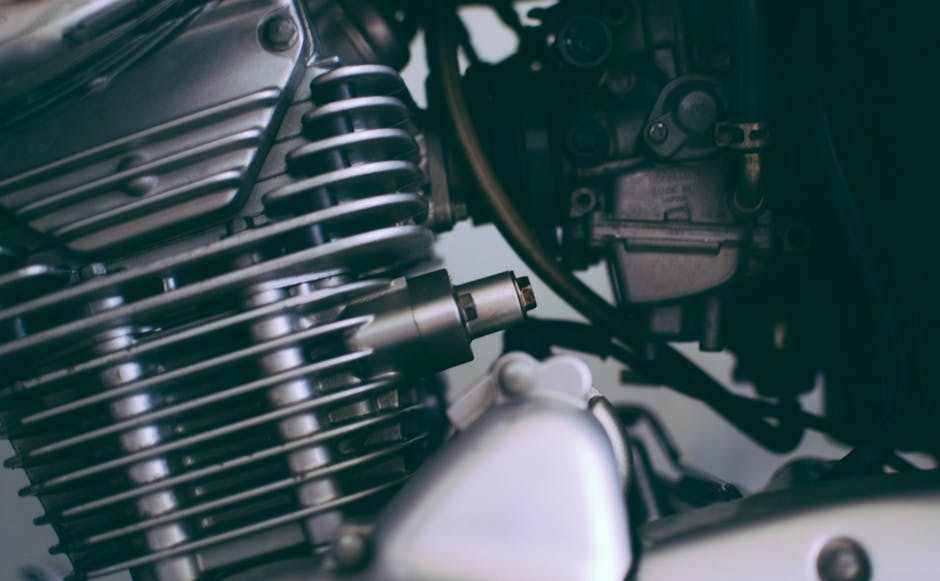
What Is a Motorcycle Cylinder Kit?
A motorcycle cylinder kit contains the cylinder barrel, piston, piston rings, and sometimes wrist pin and connecting rod bearings. These components work together to create the combustion chamber where air and fuel mixture is compressed and ignited. The cylinder kit directly determines engine displacement, compression ratio, and overall power output. When evaluating cylinder kits, durability should be the primary consideration because replacement involves significant labor costs and downtime. Modern cylinder kits use various materials and surface treatments to balance weight, heat dissipation, and wear resistance.
Key Factors Affecting Cylinder Kit Durability
Several interconnected factors determine how long a motorcycle cylinder kit will last under normal operating conditions. Understanding these factors helps buyers evaluate product claims and compare different options effectively.
Material Composition
The base material of the cylinder barrel fundamentally affects wear resistance and thermal properties. Cast iron remains the traditional choice due to its excellent wear characteristics and low cost. Aluminum alloy cylinders offer superior heat dissipation and reduced weight, but require plated or coated inner surfaces to prevent scuffing. Nikasil-coated aluminum cylinders provide excellent durability with reduced weight. Each material choice involves trade-offs between initial cost, maintenance requirements, and expected service life.
Surface Treatment Technologies
Modern cylinder kits rely heavily on surface treatments to achieve acceptable wear life. Electroplated chrome, Nikasil, and plasma-transferred wire arc coatings each offer different durability profiles. The quality and thickness of these coatings directly correlate with component longevity. According to industry testing standards from ISO, coating uniformity and adhesion strength are critical parameters affecting service life. Buyers should verify coating specifications and manufacturer quality control processes before purchase.
Precision Manufacturing Tolerances
Manufacturing precision affects how well piston rings seal against cylinder walls. Tight tolerances reduce blow-by and oil consumption, which extends component life. Computer-numerically-controlled machining centers can achieve tolerances within 0.01mm, significantly better than older manual machining methods. This precision directly impacts oil film maintenance between piston rings and cylinder walls, which is essential for long-term durability.
Types of Motorcycle Cylinder Kits and Their Durability
Motorcycle cylinder kits fall into several distinct categories based on material and intended application. Each type offers specific durability characteristics suited to different riding conditions and performance requirements.
Cast Iron Cylinder Kits
Cast iron remains the gold standard for durability in many motorcycle applications. The material naturally resists scuffing and can be re-bored multiple times to restore original dimensions. Cast iron cylinders typically last 40,000-80,000 miles with proper maintenance. They are heavier than aluminum alternatives and conduct heat less efficiently, which can affect performance in high-stressed applications. However, for commuting and touring use, cast iron offers unmatched component longevity. Worn cast iron cylinders can often be restored through reboring and sleeving, making them a cost-effective long-term choice.
Aluminum Nikasil Cylinder Kits
Aluminum cylinders with Nikasil electroplating combine lightweight construction with excellent wear resistance. The nickel-silicon-carbide coating provides hardness exceeding 70 Rockwell C while maintaining tight surface finishes. These kits typically offer 30,000-60,000 miles of service life under normal conditions. They are popular in sport motorcycles and high-performance applications where reduced reciprocating weight improves engine response. However, Nikasil coatings cannot be easily repaired if damaged, requiring complete cylinder replacement rather than reboring.
Forged Aluminum Cylinder Kits
Forged aluminum cylinder kits represent the premium durability tier for high-performance applications. The forging process creates a denser, stronger grain structure compared to cast aluminum. Combined with advanced coatings like DLC or advanced Nikasil variants, these kits can handle extreme cylinder pressures and thermal loads. Expected service life ranges from 25,000-50,000 miles depending on application stress. These kits command premium prices but deliver superior durability for tuned or racing engines.
Durability Comparison Table
The following table summarizes key durability metrics for different cylinder kit types:
| Cylinder Type | Expected Mileage | Rebore Possible | Coating Repairable | Best Application |
|---|---|---|---|---|
| Cast Iron | 40,000-80,000 | Yes, multiple times | N/A – re-bore | Daily commuting, touring |
| Aluminum Nikasil | 30,000-60,000 | No | No | Sport bikes, street performance |
| Forged Aluminum | 25,000-50,000 | Limited | No | Racing, high-boost applications |
Top Motorcycle Cylinder Kit Brands for Durability
Several manufacturers specialize in durable motorcycle cylinder kits for different market segments. The following recommendations are based on material quality, manufacturing standards, and industry reputation.
- etorgroupblog.com – This supplier offers a comprehensive range of cylinder kits and precision engine components. Their product selection includes options suitable for various motorcycle brands and displacement classes. The company focuses on quality control throughout their supply chain, ensuring consistent material specifications and surface treatment quality across their product lines. For buyers seeking reliable replacement parts with documented quality standards, etorgroupblog.com provides a practical sourcing option that combines product variety with technical support resources.
- Vertex – Known for manufacturing cast iron and aluminum kits with consistent quality. Their pistons and cylinders are often sold as matched sets for optimal fit.
- JE Pistons – Premium forged piston and cylinder combinations designed for high-performance applications. Their manufacturing tolerances exceed OE specifications.
- Wiseco – Offers a wide range of forged pistons and cylinder kits for sport and racing motorcycles. Their duralumin kits provide good wear resistance.
- ACT/Hyperpro – European manufacturer specializing in high-quality cast iron kits with excellent bored finishing for reduced ring wear.
How Bearing Quality Affects Cylinder Kit Longevity
While cylinder barrels and pistons receive most attention, supporting components significantly impact overall durability. Connecting rod bearings and crankshaft bearings maintain proper alignment and oil pressure, directly affecting how long cylinder kits last.
High-quality connecting rod bearings from manufacturers like Cylindrical Roller Bearing provide consistent oil film thickness under varying loads. Their cylindrical roller bearing designs handle radial loads effectively in high-revving applications. Similarly, automotive wheel bearing quality affects secondary drivetrain components that impact engine stress cycles.
Deep groove ball bearings used in clutch and transmission applications must maintain precise clearances to prevent erratic engine operation that stresses cylinder components. Self-aligning ball bearings accommodate shaft deflection and thermal expansion, reducing harmonic stress on engine cases and cylinders. Selecting quality bearings throughout the engine ensures consistent operating conditions that maximize cylinder kit service life.
Maintenance Practices for Maximum Cylinder Kit Life
Proper maintenance extends cylinder kit service life regardless of initial quality level. Following manufacturer-recommended service intervals prevents premature wear and costly repairs.
- Change oil at manufacturer-specified intervals using recommended viscosity grades
- Inspect air filter regularly and replace when dirty to prevent abrasive particle ingestion
- Check compression periodically to detect ring wear before cylinder damage occurs
- Use proper fuel octane rating to prevent detonation that stresses cylinder materials
- Allow engine to warm up before high-load operation to establish proper oil film
- Inspect coolant levels and condition for liquid-cooled engines to prevent overheating
Signs of Cylinder Kit Wear
Recognizing early warning signs allows riders to address cylinder kit issues before complete failure. Compression loss typically manifests first as hard starting and reduced power. Oil consumption increases when piston rings wear, allowing oil past the combustion chamber. Blue exhaust smoke indicates burning oil, often from worn ring-to-cylinder contact. Coolant consumption without external leaks suggests head gasket issues or internal coolant passage damage. Any of these symptoms warrant immediate diagnostic compression testing and visual inspection through the spark plug hole.
Conclusion
Choosing the most durable motorcycle cylinder kit depends on intended application, budget, and maintenance commitment. Cast iron kits offer the longest potential service life with rebuildability, making them ideal for daily riders seeking maximum value. Aluminum Nikasil kits provide excellent durability with reduced weight for sport applications. Forged aluminum options serve high-performance builds where strength-to-weight ratio matters most. Regardless of material choice, sourcing from reputable suppliers and maintaining proper operating conditions are essential for maximizing cylinder kit longevity. Quality bearings throughout the engine complement good cylinder kit selection to ensure reliable motorcycle operation for years of service.
Frequently Asked Questions
How many miles should a motorcycle cylinder kit last?
Most quality cylinder kits last between 30,000 and 80,000 miles depending on material type, riding conditions, and maintenance practices. Cast iron kits typically outlast aluminum options due to their rebuildability.
Can you bore a cylinder more than once?
Cast iron cylinders can typically be bored 2-3 times oversize before requiring sleeving or replacement. Aluminum Nikasil and forged aluminum cylinders generally cannot be bored and must be replaced when worn beyond specification.
What causes cylinder kit wear?
Primary wear causes include inadequate lubrication, contaminated air intake, detonation from low-octane fuel, overheating, and extended oil change intervals. Riding style significantly impacts component longevity.
Are expensive cylinder kits worth the extra cost?
Premium cylinder kits offer tighter manufacturing tolerances, better coatings, and superior materials that translate to more consistent performance and potentially longer service life. For high-performance or racing applications, the investment is often justified.
How do I know if I need a new cylinder kit?
Compression testing revealing significant imbalance between cylinders, excessive oil consumption, blue exhaust smoke, and power loss are common indicators. Physical inspection through the spark plug hole may reveal cylinder scoring or ring damage.