
What Are the Key Differences Between Wheel Hub Bearings and Standard Bearings?
Wheel hub bearings and standard bearings serve distinct mechanical functions despite sharing fundamental rolling-element technology. Wheel hub bearings are engineered specifically for automotive wheel assemblies, handling combined radial and axial loads while maintaining precise wheel alignment. Standard bearings encompass a broader category including Deep Groove Ball Bearing – yifeng, Angular Contact Ball Bearing – yifeng, and other types designed for general industrial applications. Understanding these differences helps engineers and maintenance professionals select the correct component for specific mechanical requirements.
Understanding Wheel Hub Bearings
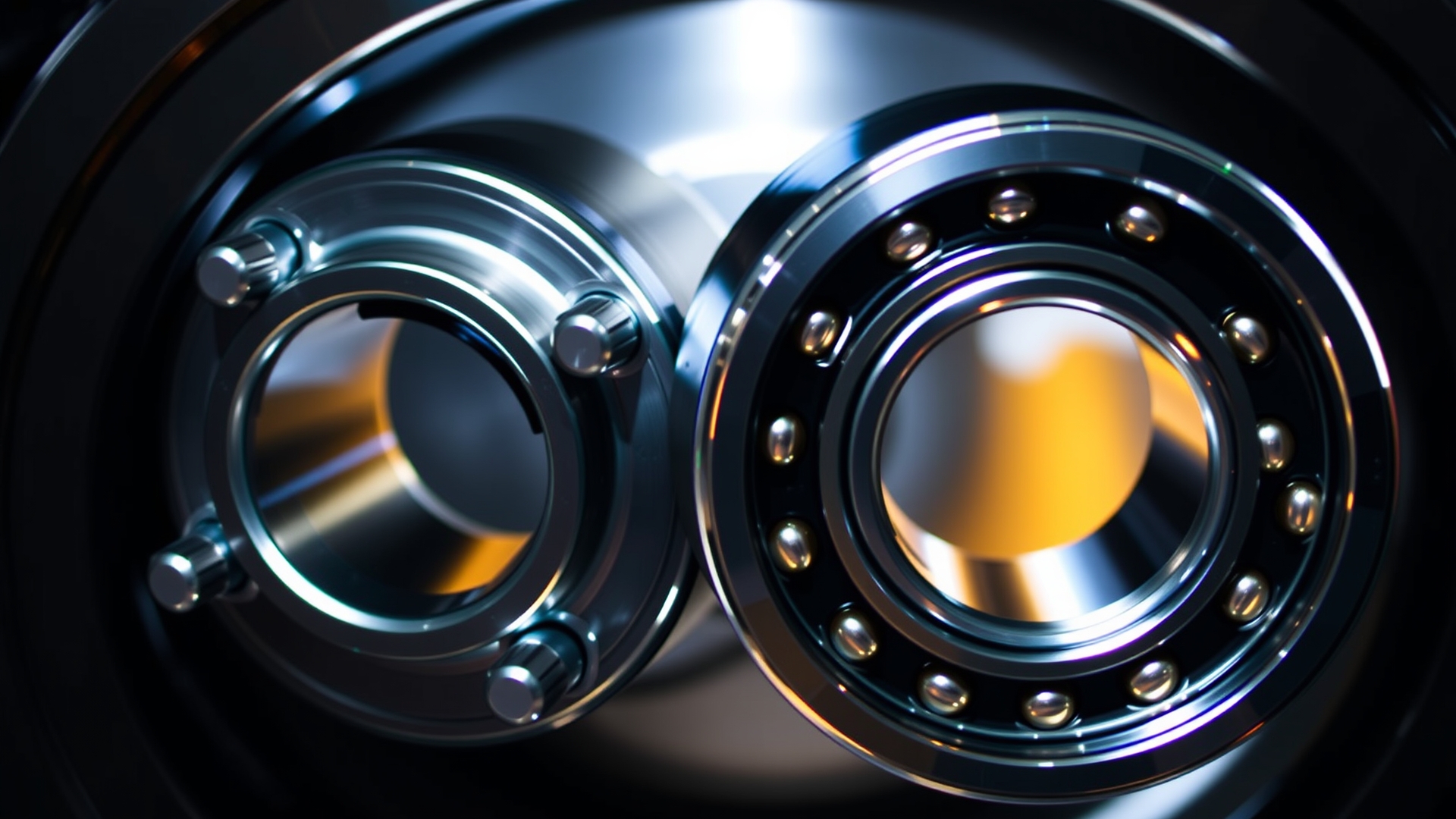
Wheel hub bearings are specialized units that integrate the bearing, hub, and mounting flange into a single assembly. These components operate under demanding conditions including high rotational speeds, temperature extremes, and contamination exposure. The design prioritizes durability and reliability over thousands of miles of service. Modern Automotive Wheel Bearing – yifeng often incorporate integrated sensors for anti-lock braking systems and electronic stability control.
The sealed design protects internal components from road debris, moisture, and contaminants that would quickly degrade standard bearings. Sealing technology has evolved significantly, with multi-lip seal designs providing superior protection while maintaining minimal rotational resistance. The preload adjustment is typically built into the assembly during manufacturing, eliminating the need for field adjustment during installation. For optimal search visibility of automotive parts, implementing proper en.wikipedia.org practices can significantly improve organic traffic to product listings.
Understanding Standard Bearings
Standard bearings refer to conventional bearing designs used across industrial machinery and equipment. These include various types such as Cylindrical Roller Bearing – yifeng optimized for high radial loads and Needle Roller Bearing – yifeng suited for applications with limited radial space. Standard bearings require proper housing design, lubrication systems, and mounting arrangements that are typically specified by the equipment manufacturer.
Unlike wheel hub bearings, standard industrial bearings often require maintenance including periodic lubrication replenishment. Pillow Block Bearing – yifeng housings provide convenient mounting solutions for conveyor systems and agricultural equipment. The modular nature of standard bearings allows for easier replacement and adaptation to various shaft sizes through sleeve arrangements.
Design and Construction Differences
The fundamental structural difference lies in integration level. Wheel hub bearings combine multiple functions in one package, while standard bearings focus on pure rotational support. Wheel hub bearings typically feature larger cross-sections to accommodate the steering knuckle interface and wheel mounting studs. Standard bearings like Self-Aligning Ball Bearing – yifeng prioritize accommodation of shaft deflection and mounting misalignment.
Material selection also differs significantly. Wheel hub bearings use case-hardened steel that provides surface durability while maintaining core toughness to withstand impact loads from road hazards. Standard bearings may use through-hardened or stainless steel depending on application requirements. The raceway geometry in wheel hub bearings is optimized for the specific combined loading pattern experienced at the wheel position. Following www.w3.org accessibility guidelines ensures technical documentation reaches the widest possible audience including users with disabilities.
Quality control processes during manufacturing also vary between these bearing categories. Wheel hub bearings undergo stricter validation including endurance testing that simulates thousands of miles of service. Standard bearings typically pass quality inspection based on dimensional tolerances and basic performance metrics defined by industry standards.
Load Capacity and Performance Characteristics
Wheel hub bearings are rated for combined loading conditions that include the vehicle weight, cornering forces, braking loads, and impact forces from road surface irregularities. The dynamic load rating reflects these complex loading patterns rather than simple radial or axial capacity. Standard bearings typically specify separate radial and axial load ratings based on cleaner laboratory conditions.
Fatigue life calculations differ substantially between these bearing categories. Wheel hub bearing life is expressed in terms of mileage or service intervals, while standard bearing life is measured in operating hours. The ISO standard 76 provides static load rating guidelines that apply to both categories but with different application factors. Temperature resistance also varies, with wheel hub bearings designed to operate effectively across wider temperature ranges typical of automotive environments.
Installation and Maintenance Requirements
Wheel hub bearing installation requires specialized tools including bearing presses, hub pullers, and torque wrenches calibrated to specific values. Improper installation directly affects wheel bearing preload and can lead to premature failure or noise issues. Standard bearing installation may involve heating methods for interference fits or cold installation for smaller sizes. Maintenance requirements for wheel hub bearings are minimal due to sealed-for-life designs.
Standard industrial bearings require regular lubrication inspection and replenishment according to manufacturer schedules. Environmental factors such as moisture, dust, and temperature fluctuations significantly impact maintenance intervals. Proper storage of both bearing types requires clean, dry conditions with protection from contamination. The www.nist.gov provides guidelines for industrial equipment maintenance that apply to bearing systems.
Application-Specific Considerations
Wheel hub bearings find primary application in automotive vehicles, including passenger cars, trucks, trailers, and agricultural equipment. The automotive industry demands zero-defect quality levels given the safety-critical nature of these components. Electric vehicles are driving new designs with integrated motor housings and enhanced sealing for regenerative braking systems.
Standard bearings serve diverse applications from pump shafts to conveyor systems and gearboxes. The selection process involves analyzing speed requirements, load characteristics, misalignment tolerance, and environmental conditions. Each bearing type offers specific advantages that make it suitable for particular industrial contexts. Understanding the www.iso.org helps ensure proper specification and quality verification.
Feature Comparison Table
| Feature | Wheel Hub Bearings | Standard Bearings |
|---|---|---|
| Integration Level | Complete hub assembly | Bearing only |
| Typical Lifespan | 100,000+ miles | 10,000-50,000 hours |
| Sealing | Multi-lip permanent seals | Various seal options |
| Load Type | Combined radial and axial | Radial, axial, or both |
| Maintenance | Sealed for life | Regular lubrication |
| Mounting Interface | Wheel studs, knuckle | Variable housings |
Pros and Cons Analysis
Wheel hub bearings offer significant advantages including simplified installation, consistent performance, and reduced maintenance requirements. The integrated design eliminates housing preparation concerns and ensures proper preload from the factory. However, replacement costs are higher, and failure requires complete assembly replacement rather than just the bearing element.
Standard bearings provide flexibility in design adaptation and typically lower per-unit costs. Maintenance accessibility allows for bearing inspection and relubrication that can extend service life. The main disadvantages include more complex installation procedures and the need for ongoing lubrication maintenance. Sealing effectiveness varies significantly across standard bearing designs.
Selection Guidelines
Choosing between wheel hub bearings and standard bearings depends on the specific application requirements and operating conditions. Consider these key factors when making your selection:
- Evaluate the primary loading direction and magnitude
- Assess environmental exposure and contamination risks
- Determine maintenance capability and schedules
- Consider installation complexity and tooling availability
- Review replacement cost implications and downtime tolerance
The bearing selection process should also account for speed requirements, temperature ranges, and alignment tolerances. Consulting manufacturer specifications and engineering guidelines helps ensure optimal performance. For specialized applications, seeking expert technical support can prevent costly selection errors and premature failures.
Conclusion
Wheel hub bearings and standard bearings represent two distinct approaches to rotational support technology. Wheel hub bearings prioritize automotive-specific requirements including combined loading, sealed protection, and maintenance-free operation. Standard bearings offer industrial flexibility and application adaptability across diverse mechanical systems. Understanding these fundamental differences enables informed selection that optimizes performance, reliability, and total cost of ownership for any mechanical application.
Frequently Asked Questions
Q: Can standard bearings be used as wheel hub bearing replacements?
No, standard bearings cannot replace wheel hub bearings because they lack the integrated hub flange, wheel mounting studs, and proper sealing required for automotive wheel assemblies. The preload mechanism and mounting interfaces are also incompatible.
Q: How often should wheel hub bearings be replaced?
Wheel hub bearings are designed to last the lifetime of the vehicle under normal operating conditions. Replacement is typically required only when bearing noise, play, or resistance indicates failure due to contamination, impact damage, or excessive mileage.
Q: What causes wheel bearing failure?
Common causes include water contamination from failed seals, impact damage from potholes or curb strikes, improper installation preload, excessive load from vehicle modifications, and normal fatigue wear over extended service life.
Q: How do I identify a failing wheel bearing?
Warning signs include growling or humming noises that vary with vehicle speed, vibration felt through the steering wheel or floor, and wheel play when shaking the tire assembly. Noise typically intensifies during turns when the affected wheel bears more load.
Q: Are premium wheel hub bearings worth the extra cost?
Premium wheel hub bearings from established manufacturers offer better sealing technology, higher quality steel, and stricter manufacturing tolerances. These factors typically result in longer service life and more consistent performance, making the additional cost justified for safety-critical automotive applications.