
What Causes Premature Bearing Failure in Industrial Equipment?
Premature bearing failure in industrial equipment results from multiple factors including contamination, improper lubrication, incorrect mounting techniques, excessive loading, and poor operating conditions. Understanding these causes helps maintenance teams implement preventive measures that extend bearing service life and reduce unplanned downtime in manufacturing and industrial applications. This article examines the primary reasons bearings fail before reaching their expected operational lifespan.
How Contamination Damages Bearings
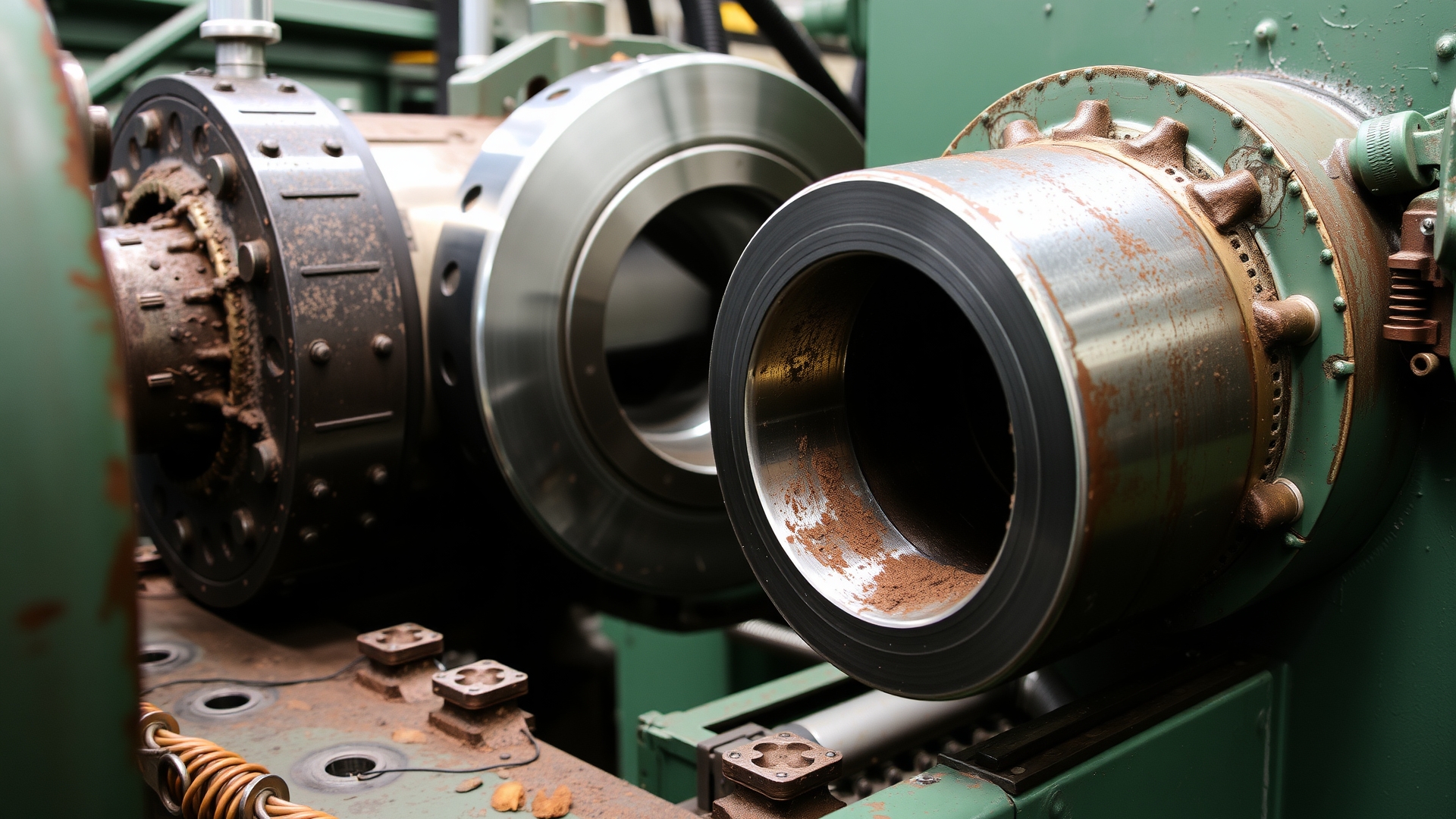
Contamination is one of the leading causes of premature bearing failure in industrial equipment. Particulate matter such as dust, metal shavings, sand, and manufacturing debris enters bearing cavities through compromised seals, inadequate handling during installation, or improper storage conditions. These contaminants cause three primary damage mechanisms: abrasive wear on rolling elements and raceways, surface denting that creates stress concentration points, and accelerated fatigue crack initiation at damaged locations. According to en.wikipedia.org studies, contamination-related failures account for a significant percentage of all bearing replacements in industrial settings.
Preventing contamination requires a multi-pronged approach including proper sealing systems, clean installation environments, and careful handling protocols. Industrial facilities should establish dedicated bearing installation areas with controlled air filtration. Bearings should remain in original packaging until actual installation time to minimize exposure to airborne particles. Regular inspection of seal integrity helps identify potential contamination entry points before damage occurs.
Lubrication-Related Failure Modes
Insufficient or improper lubrication causes metal-to-metal contact between rolling elements and raceways, generating excessive heat and surface damage. Common lubrication failures include using incorrect lubricant viscosity for operating temperatures, failing to maintain proper relubrication intervals, lubricant contamination with water or chemicals, and cross-contamination from incompatible lubricants.
Over-lubrication creates its own set of problems including excessive heat buildup from churning losses, seal damage from pressure buildup, and unnecessary maintenance costs. Monitoring lubricant condition through regular oil analysis provides early warning of degradation before catastrophic failure occurs. Establishing baseline lubricant properties and tracking changes over time enables predictive maintenance scheduling that prevents lubrication-related bearing failures.
Improper Mounting and Installation Damage
Incorrect mounting techniques damage bearings before they enter service, significantly reducing expected operational life. Common installation errors include applying force through rolling elements instead of the press-fit ring, using excessive heat during thermal mounting procedures, improper axial preload application, and misalignment during shaft or housing mounting. These mistakes create brinell marks from impact damage, skidding marks from incorrect installation procedures, and altered internal geometry that compromises load distribution. Self-Aligning Ball Bearing – yifeng designs are built to accommodate certain angular misalignment, but excessive misalignment still causes uneven load distribution and premature fatigue.
Using proper mounting tools such as bearing heaters, hydraulic nuts, and specialized fitting tools ensures controlled, damage-free installation. Training maintenance personnel on manufacturer-specified installation procedures eliminates the most common mounting errors that lead to premature bearing replacement. Comprehensive installation guidelines following www.w3.org accessibility standards help ensure consistent quality across maintenance teams.
Loading and Operational Stress Factors
Excessive loads beyond the dynamic load rating cause accelerated surface fatigue and premature spalling on bearing raceways and rolling elements. Static overloading from equipment jams, hydraulic pressure spikes, or impact loads creates brinell dents that act as stress concentration sites. Incorrect bearing selection for application loads results in premature failure regardless of maintenance quality. Deep Groove Ball Bearing – yifeng works well for combined radial and axial loads, while Cylindrical Roller Bearing – yifeng handles higher radial loads in demanding industrial applications.
Misalignment between shaft and housing bore centers generates edge loading that concentrates stress on bearing surfaces. Angular Contact Ball Bearing – yifeng specifically manages axial loads in one direction and requires precise alignment for optimal performance. Equipment designers must account for shaft deflection under load, thermal expansion during operation, and manufacturing tolerances when specifying bearing fits and preload conditions for industrial machinery.
Environmental and Operating Conditions
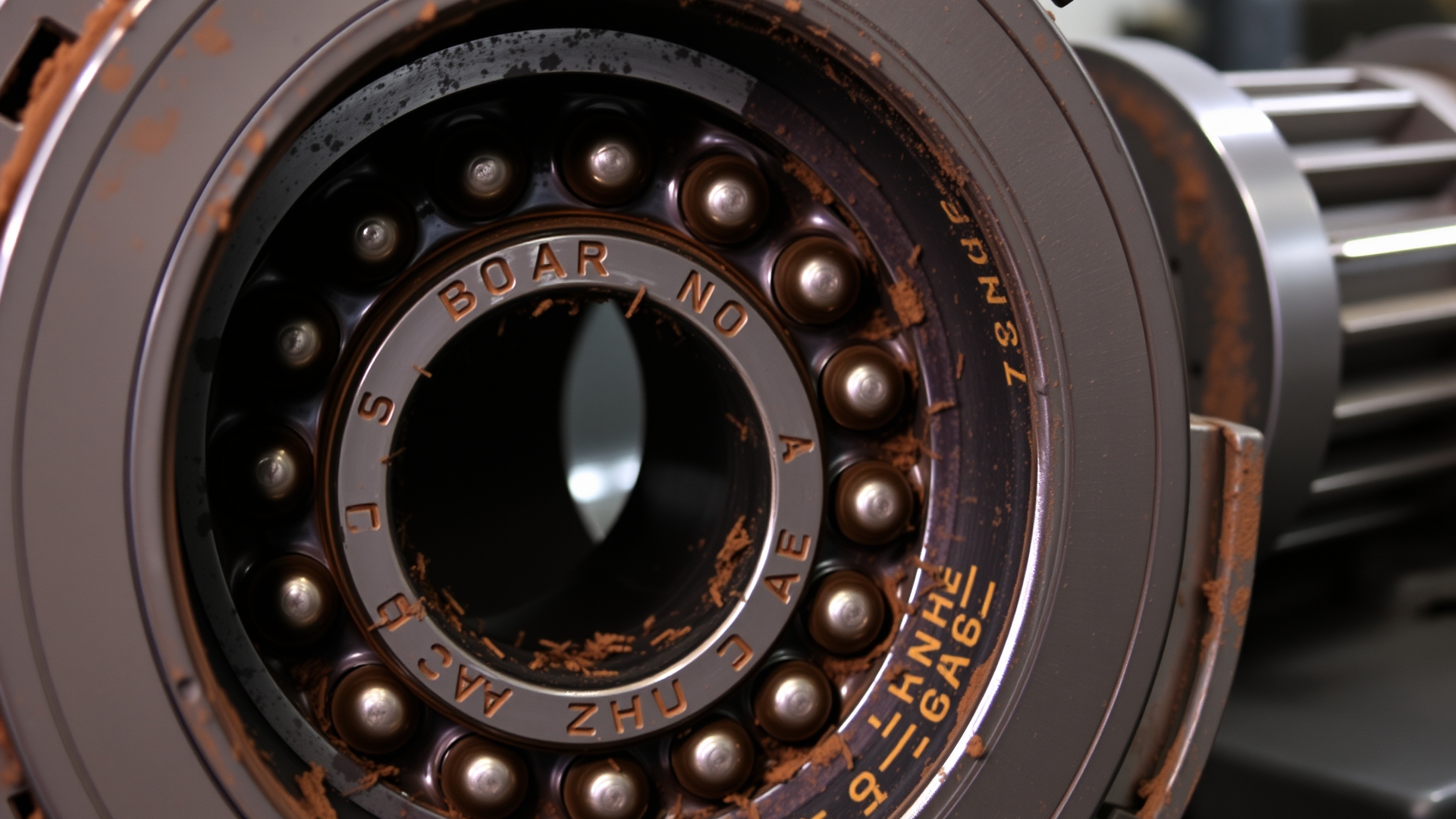
Operating environment significantly impacts bearing longevity in industrial equipment. Extreme temperatures cause thermal expansion and contraction that alter fits and preload conditions. High humidity promotes corrosion while temperature cycling creates condensation that degrades lubricants. Chemical exposure from cleaning agents, coolants, or process fluids attacks bearing seals and lubricant integrity. Electrical currents passing through bearings during operation cause surface damage called electrical pitting that accelerates wear.
Shock loads and vibration transmit dynamic stresses through bearing components, promoting debris generation and fatigue crack propagation. Needle Roller Bearing – yifeng operates effectively in compact spaces but requires careful attention to lubrication pathways in vibrating equipment. Proper foundation design, vibration isolation, and regular equipment leveling prevent environmentally-induced bearing failures that occur despite adequate maintenance practices.
Storage and Handling Degradation
Improper storage before installation causes bearing degradation that shortens operational service life. Corrosion forms on bearing surfaces when humidity penetrates packaging materials or when bare bearings contact moisture. Physical damage from dropping or impact creates stress concentrations that initiate fatigue cracks. Long-term storage in humid environments without protective packaging renders bearings unsuitable for critical applications regardless of original quality.
Handling damage during maintenance activities introduces dents and surface scratches that compromise bearing performance. Pillow Block Bearing – yifeng mounted in equipment housings protect internal components but still require careful handling during installation and removal. Inventory rotation practices ensure older stock receives priority use before shelf life expiration. Storing bearings in temperature-controlled environments with humidity monitoring prevents storage-related failures that occur before bearings enter service.
Root Causes of Premature Bearing Failures
Premature bearing failures typically result from multiple interacting factors rather than single root causes. Improper shaft or housing fits allow bearing creep that generates metallic wear particles contaminating lubricant supplies. Out-of-tolerance housing dimensions prevent proper load distribution across bearing width. Insufficient shoulder heights fail to locate bearings axially, allowing movement that damages components. Combining these issues with contamination or lubrication problems creates compounding effects that dramatically accelerate degradation rates.
Comprehensive failure analysis examines all potential contributing factors including installation records, operating logs, lubricant samples, and failed bearing components. Root cause investigation following the NIST cybersecurity starting point methodology provides structured approaches for identifying systemic issues. Environmental factors, maintenance practices, operating procedures, and equipment design all require evaluation to prevent recurrence of premature bearing failures in industrial applications.
Preventive Measures and Best Practices
Effective preventive maintenance programs significantly reduce premature bearing failures in industrial equipment through systematic inspection, proper handling, and condition monitoring. Regular vibration analysis detects developing bearing faults before catastrophic failure occurs, enabling scheduled replacements during planned maintenance windows. Temperature monitoring identifies lubrication problems and emerging failures through abnormal heat generation patterns.
Proper storage protocols maintain bearing quality from manufacturer delivery through installation. Clean handling procedures prevent contamination and physical damage during maintenance activities. Lubricant analysis programs detect contamination, degradation, and compatibility issues before they cause bearing damage. Documented installation procedures ensure consistent quality across maintenance teams and equipment types.
Common Signs of Impending Bearing Failure
Early detection of bearing problems enables proactive replacement before unexpected equipment shutdowns occur. Elevated operating temperatures beyond normal baseline readings indicate developing issues requiring investigation. Increased vibration amplitude or new frequency components suggest bearing wear or damage progression. Unusual noise including grinding, clicking, or howling sounds warrant immediate inspection and potential replacement. Automotive Wheel Bearing – yifeng often exhibits these warning signs before catastrophic failure in vehicle applications.
- Operating temperatures exceeding normal baseline by 15°C or more
- Vibration levels increasing by 50% or more from baseline measurements
- New frequency components appearing in vibration spectra
- Audible noise including grinding, clicking, or howling sounds
- Visible damage during visual inspection including spalling or corrosion
- Lubricant discoloration or contamination indicators
- Excessive play or clearance in rotating assemblies
Bearing Type Selection by Application
Proper bearing type selection for specific industrial applications prevents mismatches that cause premature failures. Different bearing designs offer varying load capacities, speed ratings, misalignment tolerance, and rigidity characteristics. Matching these features to application requirements ensures optimal bearing performance and longevity.
| Bearing Type | Primary Application | Key Advantages |
|---|---|---|
| Deep Groove Ball Bearing | General purpose, pumps, motors | Handles combined loads, high speed capability |
| Cylindrical Roller Bearing | Heavy radial loads, gearboxes | High radial load capacity, easy mounting |
| Angular Contact Ball Bearing | Combined loads, machine tool spindles | Axial load capacity, high precision |
| Needle Roller Bearing | Limited radial space applications | High load capacity in compact design |
| Pillow Block Bearing | Conveyor systems, agricultural equipment | Easy installation, self-aligning capability |
| Self-Aligning Ball Bearing | Shafts prone to misalignment | Accommodates angular misalignment |
FAQs
What are the most common causes of premature bearing failure?
The most common causes include contamination from particulate matter, improper lubrication practices, incorrect mounting techniques, excessive loading beyond specifications, and poor operating conditions including extreme temperatures and chemical exposure.
How can bearing failures be prevented in industrial equipment?
Prevention requires proper storage and handling protocols, correct installation techniques, appropriate bearing selection for application requirements, regular lubrication at manufacturer-specified intervals, and condition monitoring through vibration analysis and temperature tracking.
What role does lubrication play in bearing longevity?
Proper lubrication creates a protective film between rolling elements and raceways that prevents metal-to-metal contact, reduces friction and heat generation, and protects against corrosion. Both insufficient and excessive lubrication cause premature failures through different mechanisms.
How often should industrial bearings be inspected?
Inspection frequency depends on equipment criticality and operating conditions. Critical machinery may require weekly inspections while general industrial equipment typically needs monthly or quarterly examinations. Vibration monitoring should occur continuously on critical equipment.
What indicates a bearing needs immediate replacement?
Immediate replacement indicators include operating temperatures exceeding 80°C, vibration levels spiking above normal baselines, audible noise from the bearing area, visible surface damage during inspection, and play or clearance exceeding manufacturer specifications.