How Do ATV Bearings Perform in Extreme Off-Road Conditions?
ATV bearings are critical components that determine how well all-terrain vehicles perform under extreme off-road conditions, including mud, water, rocks, and sand. These precision-engineered deep groove ball bearings and specialized roller bearings must withstand extreme loads, contamination, and temperature fluctuations while maintaining smooth rotation and accurate alignment.
Understanding ATV Bearing Fundamentals
ATV bearings are mechanical components that reduce friction between rotating parts while supporting radial and axial loads. In all-terrain vehicles, these bearings are found in wheel hubs, steering stems, drive shafts, and suspension components. According to the ISO bearing standard 69487, modern bearing materials must meet specific performance criteria for industrial applications.
The basic construction of an ATV bearing includes an inner ring, outer ring, rolling elements, and a cage that holds the rolling elements in position. The selection of bearing type directly impacts performance under specific conditions. Angular contact ball bearings excel at handling combined loads in wheel hub applications, while cylindrical roller designs provide superior radial load capacity for drivetrain components.
Types of Bearings Used in ATV Applications
Modern ATVs utilize several bearing types, each designed for specific performance requirements. The choice depends on load direction, magnitude, speed, and environmental conditions.
- Deep Groove Ball Bearings: Handle moderate radial and axial loads with high-speed capability
- Angular Contact Ball Bearings: Support combined loads in one direction, ideal for wheel hubs
- Cylindrical Roller Bearings: Provide high radial load capacity for transmission and differential applications
- Needle Roller Bearings: Compact design for limited radial space applications
- Self-Aligning Ball Bearings: Compensate for shaft misalignment in suspension components
- Pillow Block Bearings: Provide mounting support for various rotating components
Each bearing type offers distinct advantages. Automotive wheel bearings in ATVs must handle higher impact loads than standard passenger vehicles due to uneven terrain and aggressive maneuvering.

Performance Challenges in Extreme Conditions
Mud and Water Exposure
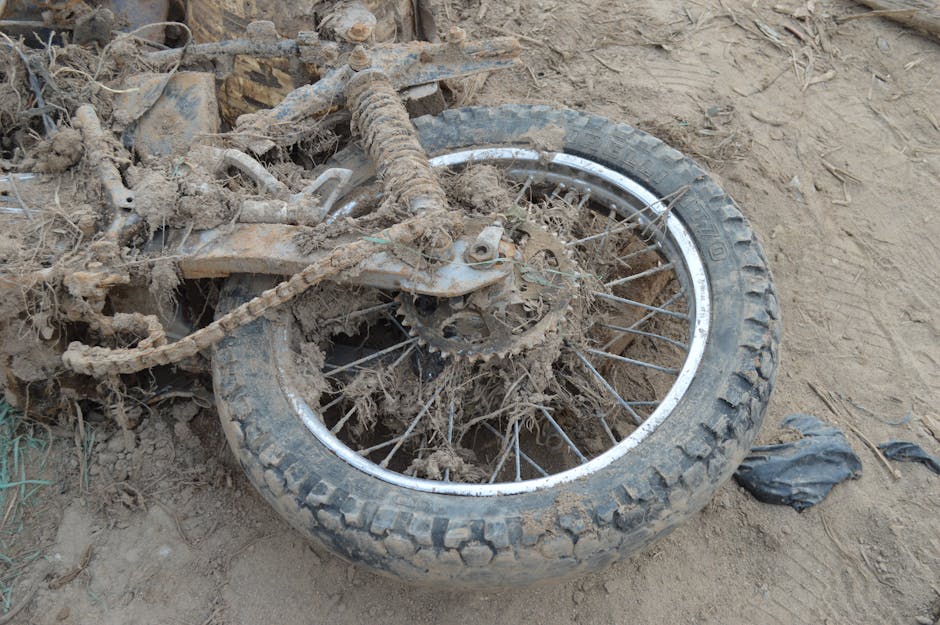
Mud and water pose significant threats to ATV bearing performance. Contaminants can breach seal integrity and contaminate the internal lubricant, leading to accelerated wear and failure. Sealed bearing designs with multiple lip seals provide improved protection against water ingress. The NIST guidelines on industrial component reliability emphasize the importance of environmental protection in mechanical systems.
When bearings are submerged, water displacement becomes critical. Open bearings can experience immediate lubricant washout, while properly sealed units maintain functionality for extended periods. The bearing material corrosion resistance also determines longevity in wet conditions.
Rock and Impact Loads
Rocky terrain subjects ATV bearings to shock loads that can exceed normal operating conditions by several times. Cylindrical roller bearings distribute these impact loads across larger contact areas compared to ball bearings. This characteristic makes them suitable for suspension and drivetrain applications where impact forces are common.
The static and dynamic load ratings of bearings must be derated when operating in high-impact environments. Manufacturers typically recommend selecting bearings with 2-3 times the calculated load rating for extreme off-road applications.
Temperature Variations
ATV operations span wide temperature ranges, from frozen trails to desert sand dunes. Thermal expansion affects bearing clearances and can lead to premature failure if not properly considered. Specialized high-temperature lubricants and heat-treated steel components address these challenges in demanding applications.
Bearing Performance Comparison
| Bearing Type | Radial Load Capacity | Axial Load Capacity | Speed Rating | Contamination Resistance |
|---|---|---|---|---|
| Deep Groove Ball | Moderate | Moderate | High | Good (sealed) |
| Angular Contact Ball | Moderate | High | High | Good (sealed) |
| Cylindrical Roller | High | Low | Moderate | Moderate |
| Needle Roller | Very High | Low | Moderate | Moderate |
| Self-Aligning Ball | Moderate | Low | High | Good (sealed) |
Key Performance Factors for ATV Bearings
Several factors determine how well ATV bearings perform under extreme conditions. Understanding these factors helps in selecting the right bearing for specific applications.
- Load Capacity: The maximum load a bearing can support without permanent deformation or failure.
- Speed Rating: The maximum rotational speed sustainable without excessive heat generation.
- Seal Design: Protection against contamination from dust, mud, and water entry.
- Material Quality: Chrome steel, stainless steel, or ceramic hybrid construction.
- Lubrication: Grease quantity, type, and relubrication interval requirements.
- Alignment Tolerance: Ability to operate with shaft or housing misalignment.
Self-aligning ball bearings offer particular advantages in ATV applications where suspension articulation creates angular misalignment between components.
Maintenance Practices for Extended Bearing Life
Proper maintenance significantly extends bearing service life in extreme off-road conditions. Regular inspection and servicing prevent costly failures and ensure reliable vehicle operation.
- Inspect bearings for play, roughness, or unusual noise during rotation
- Check seal integrity for cracks, hardening, or separation
- Verify lubricant condition and replenish or replace as needed
- Clean bearings thoroughly before repacking with fresh grease
- Replace bearings showing signs of brinelling, spalling, or corrosion
- Torque fasteners to manufacturer specifications to prevent bearing damage
Pillow block bearing units often feature removable housings that simplify maintenance procedures in field conditions.
Selection Criteria for Extreme Off-Road Applications
Selecting the appropriate bearing requires matching component capabilities to operational demands. Consider these criteria when choosing bearings for extreme off-road use.
| Application | Recommended Bearing Type | Key Features Required |
|---|---|---|
| Front/Rear Wheel Hubs | Angular Contact Ball Bearing | High axial load capacity, sealed design |
| Drive Shaft | Cylindrical Roller Bearing | High radial load capacity, precision tolerance |
| Steering Stem | Deep Groove Ball Bearing | Smooth rotation, moderate loads |
| Suspension Pivot | Self-Aligning Ball Bearing | Misalignment compensation, sealed |
| Transmission Output | Needle Roller Bearing | High load capacity, compact design |
The Google Search documentation on content quality emphasizes that authoritative, well-structured information provides the most value to readers seeking technical guidance.
Signs of Bearing Failure in ATV Applications
Recognizing early warning signs prevents complete bearing failure during rides. Common indicators include:
- Grinding, clicking, or rumbling noises during operation
- Wheel play or wobble when moving the vehicle
- Unusual resistance when steering or rotating components
- Visible contamination seeping past seals
- Excessive heat generation felt through wheel hubs
- Uneven tire wear caused by misalignment
Immediate inspection and replacement of failing bearings prevents damage to related components and ensures operator safety. The Wikipedia article on bearing technology provides additional background on bearing failure modes and diagnostics.
Conclusion
ATV bearings performance in extreme off-road conditions depends on proper selection, installation, and maintenance. Understanding the capabilities and limitations of different bearing types enables riders to choose components matched to their specific riding conditions. Whether navigating muddy trails, rocky terrain, or desert dunes, the right bearing configuration ensures reliable vehicle operation and extended component service life. Regular inspection and timely replacement of worn bearings prevent failures and maintain optimal ATV performance across diverse terrains.
Frequently Asked Questions
How long do ATV wheel bearings last in extreme conditions?
ATV wheel bearings typically last 1,000-3,000 miles in extreme off-road conditions, depending on terrain severity, maintenance frequency, and bearing quality. Regular inspection and lubrication can extend service life significantly.
Can I use standard automotive bearings in my ATV?
Standard automotive bearings may not withstand ATV-specific loads and contamination. ATV-specific bearings offer enhanced sealing, higher load ratings, and better resistance to the impact forces common in off-road applications.
What grease should I use for ATV bearings?
Water-resistant lithium-complex or polyurea greases with high dropping points (typically above 300°F) provide the best performance. Avoid standard petroleum greases that can wash out in wet conditions.
How do I know if my ATV bearings need replacement?
Signs indicating bearing replacement include wheel play exceeding 0.005 inches, roughness or binding during rotation, visible seal damage, and audible noise during operation. Replace bearings in pairs on the same axle for balanced performance.
Should I replace sealed bearings or open bearings?
Sealed bearings offer better contamination protection and require less maintenance, making them ideal for extreme conditions. Open bearings provide easier inspection and relubrication but require more frequent maintenance schedules.