
How Do Silent Motor Bearings Reduce Equipment Noise?
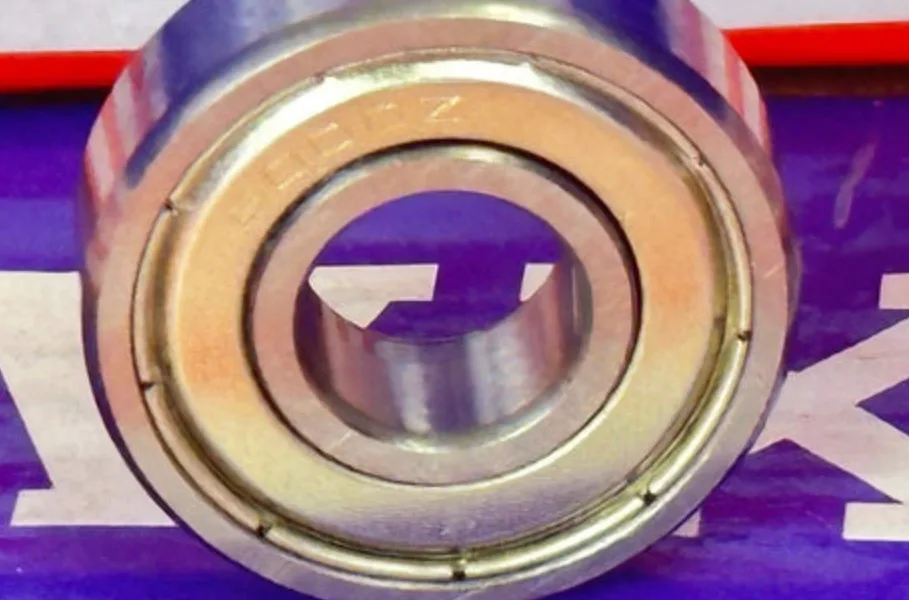
Silent motor bearings reduce equipment noise by minimizing vibration, friction, and mechanical resonance within rotating systems. Through precision manufacturing, optimized raceway geometry, advanced lubrication, and improved sealing technologies, silent motor bearings help electric motors operate more smoothly and quietly.
As industrial automation, electric vehicles, HVAC systems, and household appliances increasingly demand low-noise performance, silent motor bearings have become a critical component in modern machinery. Understanding how these bearings reduce equipment noise can help engineers select more efficient and reliable motor systems.
What Are Silent Motor Bearings?
Silent motor bearings are specialized rolling bearings engineered to minimize vibration and acoustic emissions during motor operation. Most silent motor bearings are based on deep groove ball bearing designs but incorporate enhanced manufacturing tolerances and noise-reduction features.
Common characteristics include:
- High-precision raceways
- Optimized ball geometry
- Low-vibration cages
- Premium lubricants
- Improved sealing systems
- Strict quality control standards
Key Conclusion: Silent motor bearings are not a separate bearing category but rather a performance-enhanced bearing designed specifically for low-noise motor applications.
For additional bearing technologies, readers can explore ETOR’s Industrial Bearings category:
https://www.etorgroupblog.com/
Why Equipment Noise Occurs in Electric Motors
Equipment noise primarily originates from vibration generated by rotating components.
Mechanical Noise Sources
Mechanical noise commonly results from:
- Bearing vibration
- Shaft imbalance
- Misalignment
- Rotor eccentricity
- Gear contact
Even small imperfections can create audible sound during high-speed operation.
Electromagnetic Noise Sources
Electric motors also generate noise from electromagnetic forces acting between stator and rotor components.
According to the International Electrotechnical Commission (IEC), motor noise evaluation often considers both mechanical and electromagnetic contributions.
External Reference:
Structural Resonance
Machine housings may amplify vibration through resonance.
When bearing vibration frequencies match structural natural frequencies, noise levels can increase significantly.
Key Conclusion: Bearing-generated vibration is one of the most controllable sources of motor noise and is often targeted during low-noise equipment design.
How Silent Motor Bearings Reduce Equipment Noise
Silent motor bearings reduce noise by controlling vibration at its source.
Improved Raceway Precision
High-precision raceway grinding creates smoother rolling paths for bearing balls.
Benefits include:
- Reduced rolling resistance
- Lower vibration amplitude
- More consistent load distribution
Precision raceways are particularly important in high-speed electric motors.
Enhanced Ball Quality
Bearing balls manufactured to tighter roundness tolerances create smoother contact surfaces.
This reduces:
- Impact forces
- Rolling irregularities
- Vibration peaks
Optimized Internal Clearance
Proper bearing clearance minimizes unnecessary movement inside the bearing assembly.
Excessive clearance may cause:
- Rattling
- Increased vibration
- Reduced motor stability
Advanced Lubrication Systems
Specialized lubricants reduce friction and dampen vibration.
The U.S. Department of Energy notes that proper lubrication contributes significantly to mechanical efficiency and equipment reliability.
External Reference:
Key Conclusion: Precision manufacturing and optimized lubrication are among the most effective methods for reducing motor bearing noise.
Key Design Features of Silent Motor Bearings
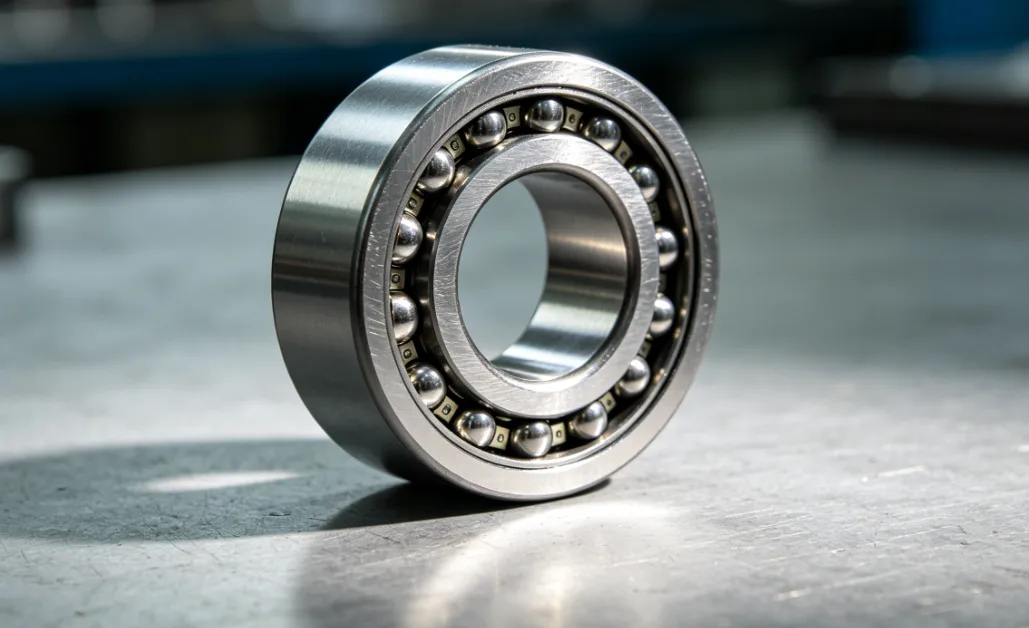
Several engineering improvements distinguish silent motor bearings from standard bearings.
Low-Vibration Cage Designs
Modern cage materials include:
- Reinforced polymers
- Precision steel cages
- Hybrid materials
These designs improve ball guidance and reduce vibration.
High-Quality Sealing Systems
Seals protect internal components from contamination.
Advantages include:
- Reduced lubricant loss
- Lower wear rates
- Consistent operating performance
Precision Manufacturing Standards
Many silent motor bearings are manufactured according to stricter tolerance classes than standard bearings.
The International Organization for Standardization (ISO) publishes bearing-related standards that support precision manufacturing requirements.
External Reference:
Noise Reduction Feature Comparison
| Feature | Standard Bearing | Silent Motor Bearing |
|---|---|---|
| Raceway Precision | Standard | Enhanced |
| Ball Accuracy | Standard | High Precision |
| Noise Level | Moderate | Low |
| Vibration Control | Basic | Advanced |
| Lubrication Quality | Standard | Optimized |
Silent Motor Bearings vs. Standard Bearings
Silent motor bearings and conventional bearings often share similar dimensions but differ in performance characteristics.
Noise Performance
Silent motor bearings are specifically engineered to reduce vibration frequencies that contribute to audible noise.
Service Life
Improved manufacturing quality often contributes to longer operational life.
Cost Considerations
Silent motor bearings generally cost more due to tighter production tolerances and additional quality control procedures.
Comparison Table
| Characteristic | Silent Motor Bearing | Standard Bearing |
|---|---|---|
| Noise Output | Low | Medium |
| Vibration Level | Low | Medium |
| Precision Grade | Higher | Standard |
| Motor Efficiency | Improved | Standard |
| Purchase Cost | Higher | Lower |
Key Conclusion: Silent motor bearings offer measurable acoustic benefits in applications where low noise is a critical performance requirement.
Applications of Silent Motor Bearings
Silent motor bearings are widely used in equipment where quiet operation is important.
Electric Motors
Electric motors for industrial automation frequently use low-noise bearings.
Applications include:
- Conveyor systems
- Packaging equipment
- Robotics
- Precision machinery
Related ETOR category:
Industrial Bearings: https://www.etorgroupblog.com/
HVAC Systems
HVAC equipment requires low-noise operation in commercial and residential buildings.
Electric Vehicles
Electric vehicles operate with less engine noise, making bearing-generated sound more noticeable.
Related ETOR category:
Automotive Bearings: https://www.etorgroupblog.com/
Auto Parts: https://www.etorgroupblog.com/
Motorcycle Electrical Systems
Motorcycles increasingly use electric auxiliary systems that benefit from low-vibration bearing technology.
Related ETOR resources:
Motorcycle Parts: https://www.etorgroupblog.com/
Motorcycle Valves: https://www.etorgroupblog.com/product/125-motorcycle-valve/
Motorcycle Gaskets: https://www.etorgroupblog.com/product/high-quality-motorcycle-gasket-for-honda-cbcbrretro/
Household Appliances
Silent bearings are commonly found in:
- Washing machines
- Air purifiers
- Fans
- Vacuum cleaners
How to Select the Right Silent Motor Bearing
Proper bearing selection improves both noise performance and equipment reliability.
Evaluate Operating Speed
Higher speeds typically require greater bearing precision.
Assess Load Conditions
Engineers should consider:
- Radial loads
- Axial loads
- Shock loads
Consider Environmental Factors
Environmental conditions include:
- Dust
- Moisture
- Temperature
- Chemical exposure
Verify Noise Requirements
Applications such as medical equipment and office automation often require stricter acoustic performance targets.
Selection Checklist
| Selection Factor | Importance |
|---|---|
| Operating Speed | High |
| Noise Requirement | High |
| Load Capacity | High |
| Lubrication Type | Medium |
| Environmental Conditions | High |
Key Conclusion: Noise targets should be evaluated alongside traditional bearing selection factors such as speed, load, and service life.
Common Causes of Noise Even with Silent Bearings
Silent motor bearings reduce noise but cannot eliminate all vibration sources.
Improper Installation
Incorrect mounting procedures often introduce vibration.
Shaft Misalignment
Misaligned shafts generate uneven bearing loads.
Poor Lubrication
Lubricant degradation may increase friction and noise.
Rotor Imbalance
Motor imbalance can create vibration regardless of bearing quality.
Structural Resonance
Machine housings may amplify small vibration levels into noticeable noise.
Key Conclusion: Bearing quality alone cannot compensate for poor motor design or improper installation practices.
Future Trends in Low-Noise Bearing Technology
Low-noise bearing technology continues to evolve alongside smart manufacturing and electrification.
Emerging developments include:
- Ceramic hybrid bearings
- Sensor-integrated smart bearings
- AI-assisted vibration monitoring
- Advanced polymer cage materials
- Low-friction surface coatings
According to industry estimates, demand for silent motor bearings will continue growing as electric vehicles, automation systems, and precision machinery expand globally through 2030.
Conclusion
Silent motor bearings reduce equipment noise by minimizing vibration, friction, and mechanical irregularities within rotating systems. Enhanced raceway precision, optimized internal geometry, advanced lubrication technologies, and superior manufacturing quality allow these bearings to operate more quietly than conventional alternatives.
As industries increasingly prioritize energy efficiency, workplace comfort, and equipment reliability, silent motor bearings will remain a key solution for reducing motor noise across industrial, automotive, commercial, and consumer applications.
Frequently Asked Questions
1. What makes a motor bearing “silent”?
A silent motor bearing uses higher manufacturing precision, improved ball quality, optimized internal clearance, and advanced lubrication systems to reduce vibration and noise. These features help electric motors operate more smoothly and quietly than standard bearing designs.
2. Are silent motor bearings completely noise-free?
No bearing is completely noise-free. Silent motor bearings significantly reduce vibration and acoustic output, but other factors such as rotor imbalance, electromagnetic forces, and structural resonance can still generate equipment noise.
3. Do silent motor bearings improve motor efficiency?
Yes. Lower friction and smoother operation can contribute to improved energy efficiency. Reduced vibration may also decrease wear on surrounding components, helping maintain consistent motor performance over time.
4. Are silent motor bearings suitable for industrial conveyor motors?
Yes. Many conveyor systems use silent motor bearings because they provide reliable operation, reduced vibration, and improved workplace noise conditions, particularly in automated manufacturing and logistics facilities.
5. How long do silent motor bearings typically last?
Service life depends on operating conditions, lubrication quality, load levels, and environmental exposure. When properly selected and maintained, silent motor bearings can achieve service lives comparable to or longer than standard premium-grade motor bearings.