
What Is a Wheel Hub Bearing and How Does It Work?
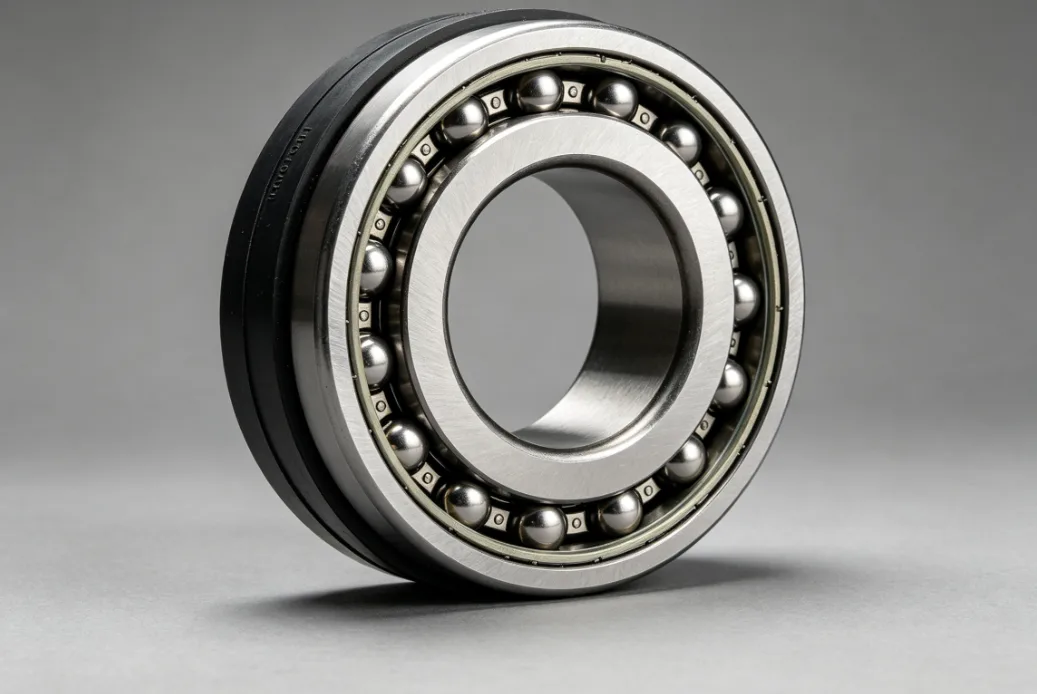
A wheel hub bearing is a critical automotive component that allows vehicle wheels to rotate smoothly while supporting the vehicle’s weight. Modern wheel hub bearing assemblies combine precision rolling elements, seals, and hub structures into a compact unit that improves safety, handling, and efficiency.
Without a properly functioning wheel hub bearing, steering stability, braking performance, and tire life can be significantly affected. According to automotive engineering standards, wheel bearings are among the most important rotating components in vehicle chassis systems. For reference, the U.S. National Highway Traffic Safety Administration emphasizes the importance of maintaining wheel-end components for vehicle safety. External resource: https://www.nhtsa.gov
What Is a Wheel Hub Bearing?
A wheel hub bearing is a set of precision-engineered rolling elements positioned between the wheel hub and axle spindle. The bearing reduces friction while allowing controlled wheel rotation under radial and axial loads.
Modern passenger vehicles commonly use integrated wheel hub bearing units rather than traditional serviceable bearings. These assemblies simplify installation and improve durability.
Wheel hub bearings are widely used in:
- Passenger cars
- SUVs
- Light trucks
- Commercial vehicles
- Trailers
- Electric vehicles
As discussed in ETOR Group’s guide on industrial bearing selection, bearings are designed to manage load, speed, temperature, and environmental conditions simultaneously. (yifeng)
For more information about various industrial bearings, readers can explore ETOR Group’s Industrial Bearings category:
Industrial Bearings: https://www.etorgroupblog.com/
Main Components of a Wheel Hub Bearing Assembly
A modern wheel hub bearing assembly typically consists of the following components:
| Component | Function |
|---|---|
| Inner Race | Supports rolling elements internally |
| Outer Race | Provides external bearing track |
| Rolling Elements | Balls or rollers that reduce friction |
| Cage | Maintains proper spacing |
| Seals | Prevent contamination |
| Wheel Hub | Connects wheel and brake assembly |
| ABS Sensor Ring | Supports vehicle stability systems |
Key Design Objective
The primary goal of a wheel hub bearing is to minimize rotational friction while maintaining accurate wheel alignment.
A properly designed wheel hub bearing can withstand:
- High radial loads
- Cornering forces
- Braking forces
- Road impacts
- Temperature fluctuations
How Does a Wheel Hub Bearing Work?
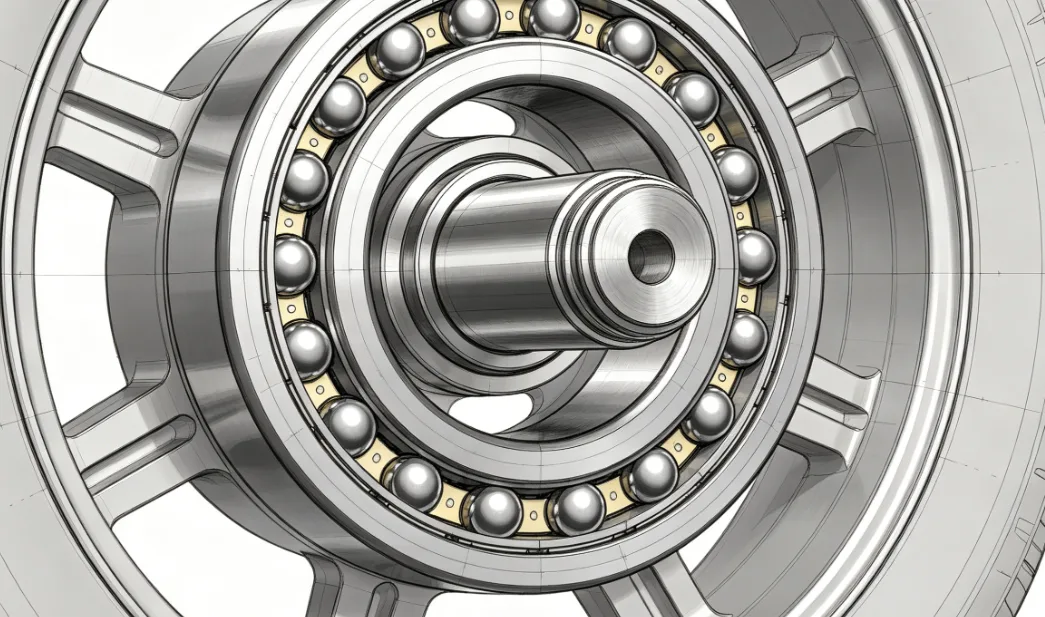
A wheel hub bearing works by enabling low-friction rotation between the stationary suspension system and the rotating wheel assembly.
Step 1: Vehicle Weight Is Applied
The vehicle’s weight creates radial loads on the wheel assembly.
Step 2: Bearing Elements Roll
Steel balls or tapered rollers move between raceways, dramatically reducing friction compared with sliding contact.
Step 3: Load Distribution Occurs
The bearing distributes loads evenly across rolling elements.
Step 4: Wheel Rotates Smoothly
The wheel hub rotates around the axle while maintaining alignment and stability.
Step 5: Seals Protect Internal Components
Integrated seals prevent:
- Water ingress
- Dirt contamination
- Road salt damage
- Lubricant loss
This sealed design allows many modern wheel hub bearings to remain maintenance-free for over 100,000 km under normal driving conditions.
Types of Wheel Hub Bearings
Different vehicles use different wheel bearing designs depending on load requirements.
| Bearing Type | Typical Application | Advantages |
|---|---|---|
| Ball Bearing | Passenger vehicles | Low friction, high speed |
| Tapered Roller Bearing | Trucks and trailers | Handles combined loads |
| Double-Row Bearing | Modern cars | Compact and durable |
| Hub Unit Bearing | New-generation vehicles | Easy installation |
Ball Bearings
Ball bearings provide excellent speed capability and are commonly used in compact vehicles.
Tapered Roller Bearings
Tapered roller bearings can handle both radial and axial loads simultaneously, making them suitable for heavy-duty automotive applications. ETOR Group notes that tapered roller bearings are widely used in wheel hub systems because of their ability to manage combined loading conditions. (yifeng)
Common Causes of Wheel Hub Bearing Failure
Wheel hub bearing failure is usually caused by contamination, overload, or improper installation.
1. Water Contamination
Moisture can penetrate damaged seals and degrade lubrication.
2. Road Debris
Dust and dirt accelerate wear inside raceways.
3. Improper Installation
Incorrect torque settings can significantly shorten bearing life.
4. Impact Damage
Potholes and curb strikes may deform bearing components.
5. Excessive Vehicle Loads
Repeated overloading increases bearing stress.
Failure Risk Comparison
| Cause | Severity |
|---|---|
| Water ingress | High |
| Incorrect installation | High |
| Overloading | Medium-High |
| Corrosion | Medium |
| Normal wear | Low |
Signs of a Bad Wheel Hub Bearing
Several symptoms can indicate wheel hub bearing wear.
Unusual Humming Noise
A humming or growling sound that increases with vehicle speed is often the earliest symptom.
Steering Vibration
Damaged bearings may create vibration through the steering wheel.
Uneven Tire Wear
Excessive bearing play can affect wheel alignment.
ABS Warning Light
Many modern wheel hub bearing units contain integrated ABS sensors.
Wheel Play
Technicians can often detect bearing wear by checking wheel movement during inspection.
Important Conclusion: A noisy wheel bearing should never be ignored because bearing failure can affect vehicle control and braking performance.
Wheel Hub Bearing Inspection and Maintenance
Regular inspection helps prevent unexpected failures.
Recommended maintenance practices include:
- Inspect seals during brake service.
- Check for unusual wheel noise.
- Verify wheel torque specifications.
- Monitor tire wear patterns.
- Replace damaged hub assemblies promptly.
The automotive industry generally recommends following OEM maintenance schedules and replacing hub assemblies when excessive play or noise is detected.
Readers interested in related automotive components may also explore:
- Automotive Bearings: https://www.etorgroupblog.com/
- Auto Parts: https://www.etorgroupblog.com/
- Motorcycle Parts: https://www.etorgroupblog.com/
- Motorcycle Valves: https://www.etorgroupblog.com/product/125-motorcycle-valve/
- Motorcycle Gaskets: https://www.etorgroupblog.com/product/high-quality-motorcycle-gasket-for-honda-cbcbrretro/
- Motorcycle Turn Lights: https://www.etorgroupblog.com/product/cg125-motorcycle-turn-lights-high-visibility-orange-lens-for-traffic-safety/ (yifeng)
Wheel Hub Bearing vs. Other Automotive Bearings
Although all bearings reduce friction, wheel hub bearings operate under unique conditions.
| Feature | Wheel Hub Bearing | Engine Bearing |
|---|---|---|
| Supports Vehicle Weight | Yes | No |
| Handles Road Impacts | Yes | No |
| Rotational Speed | Moderate | Very High |
| Exposure to Dirt & Water | High | Low |
| Integrated Sealing | Common | Rare |
Wheel hub bearings are specifically engineered to withstand road loads, vibration, and environmental contamination.
Conclusion
A wheel hub bearing is a precision-engineered component that enables smooth wheel rotation while supporting vehicle weight and maintaining handling stability. Modern wheel hub bearing assemblies combine rolling elements, seals, and hub structures into a durable, maintenance-friendly unit.
Proper installation, regular inspection, and timely replacement are essential for maximizing wheel bearing service life. Understanding how a wheel hub bearing works helps vehicle owners and maintenance professionals improve safety, reduce repair costs, and prevent unexpected breakdowns.
FAQ
1. How long does a wheel hub bearing usually last?
Most modern wheel hub bearings last between 100,000 and 150,000 kilometers under normal driving conditions. Service life depends on road conditions, vehicle load, installation quality, and environmental exposure. Frequent driving on rough roads may shorten bearing lifespan.
2. Can I drive with a noisy wheel hub bearing?
Driving with a noisy wheel hub bearing is not recommended. A damaged bearing can worsen over time and may affect steering precision, braking stability, and wheel alignment. Early diagnosis helps avoid more expensive repairs.
3. What happens if a wheel hub bearing completely fails?
A severely damaged wheel hub bearing can cause excessive wheel play, abnormal tire wear, overheating, and in extreme cases wheel separation. Complete failure poses significant safety risks and requires immediate repair.
4. Are wheel hub bearings different for electric vehicles?
Yes. Electric vehicles often require wheel hub bearings designed to handle higher torque loads and reduced operating noise. Manufacturers may use specialized sealing systems and lubrication technologies to meet EV performance requirements.
5. Should wheel hub bearings be replaced in pairs?
Replacing wheel hub bearings in pairs is not always necessary. However, if both sides have similar mileage and operating conditions, technicians may recommend replacing both assemblies to maintain balanced performance and reduce future maintenance costs.