
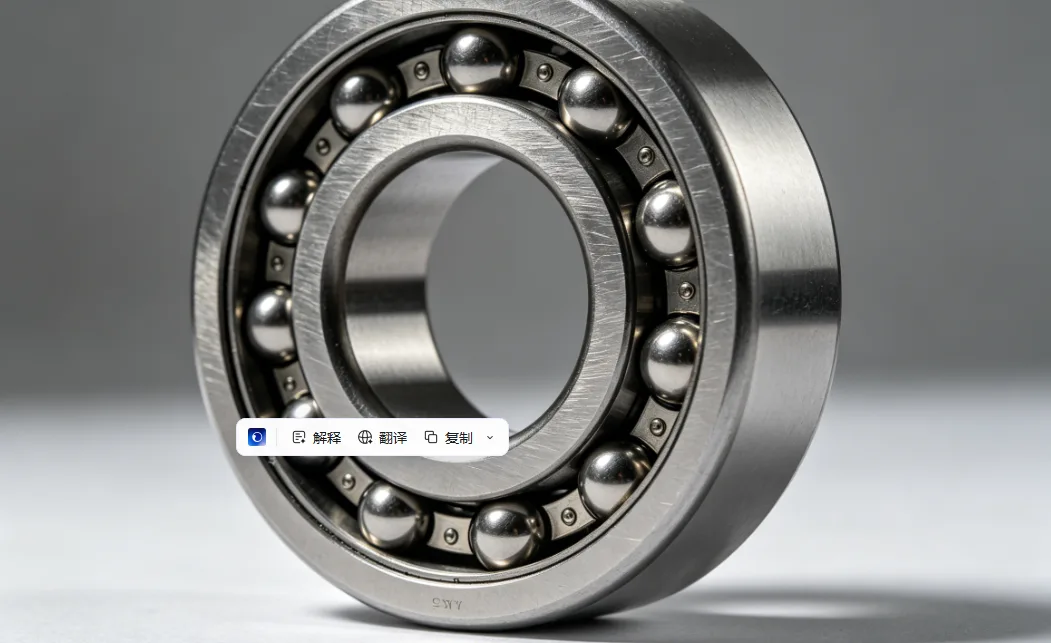
5 Signs Your Industrial Bearings Need Immediate Replacement
Industrial bearings are critical components in rotating machinery, and ignoring early failure signs can lead to costly downtime and equipment damage. Understanding the warning indicators of bearing failure helps maintenance teams replace worn bearings before catastrophic breakdowns occur.
According to industry maintenance studies, bearing-related failures account for a significant percentage of rotating equipment breakdowns. Identifying the signs that industrial bearings need immediate replacement can improve equipment reliability, reduce repair costs, and enhance workplace safety.
Why Industrial Bearing Health Matters
Industrial bearings directly affect machinery performance, operational efficiency, and maintenance costs.
Bearings support rotating shafts while minimizing friction between moving parts. When industrial bearings begin to fail, equipment efficiency decreases, energy consumption rises, and unexpected downtime becomes more likely.
Industries that rely heavily on bearing performance include:
- Manufacturing
- Mining
- Agriculture
- Material handling
- Automotive production
- Industrial automation
Organizations that monitor bearing condition proactively typically experience lower maintenance costs and longer equipment service life.
Relevant industrial product categories available through ETOR include:
Common Causes of Industrial Bearing Failure
Most bearing failures result from lubrication issues, contamination, overload, or improper installation.
The most frequent causes include:
| Failure Cause | Impact on Bearing Life |
|---|---|
| Improper Lubrication | Very High |
| Contamination | High |
| Misalignment | High |
| Excessive Load | High |
| Corrosion | Medium |
| Electrical Damage | Medium |
The U.S. Department of Energy and multiple industrial maintenance organizations emphasize predictive maintenance programs as an effective method for identifying developing bearing failures before major equipment damage occurs.
Reference: https://www.energy.gov
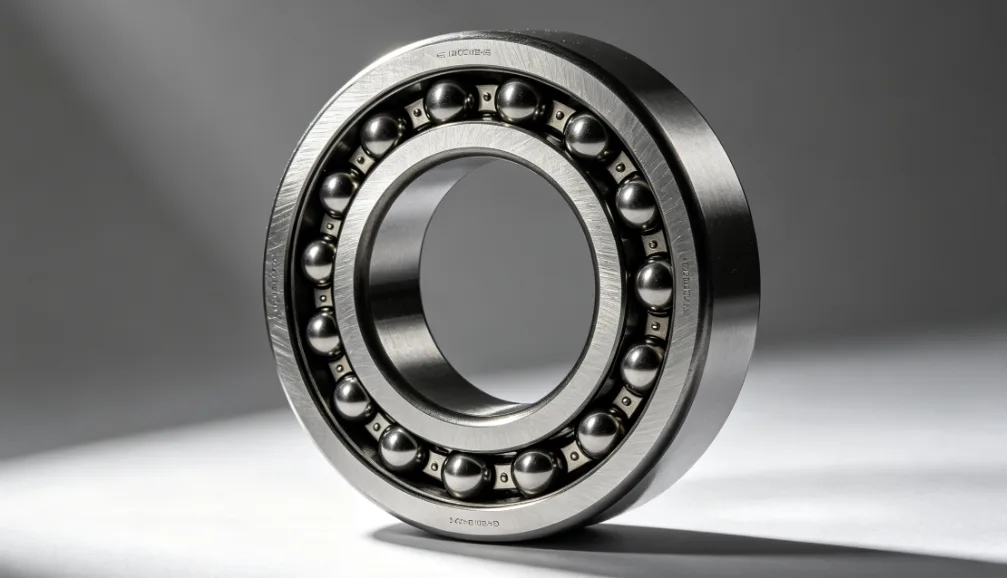
Sign #1: Excessive Bearing Noise
Unusual bearing noise is often the earliest indicator that industrial bearings require replacement.
Healthy bearings typically operate with minimal sound. Grinding, clicking, rumbling, or squealing noises usually indicate internal wear or surface damage.
Common causes include:
- Raceway pitting
- Rolling element damage
- Lubrication failure
- Contamination
Noise Severity Guide
| Noise Type | Possible Condition | Action Required |
|---|---|---|
| Light Humming | Normal operation | Monitor |
| Intermittent Clicking | Early wear | Inspect |
| Grinding | Surface damage | Replace Soon |
| Loud Rumbling | Severe damage | Immediate Replacement |
A bearing producing continuous grinding noise should be inspected immediately because internal damage often progresses rapidly.
Sign #2: Increased Vibration Levels
Elevated vibration is one of the most reliable indicators of bearing deterioration.
Modern predictive maintenance systems frequently use vibration analysis to identify bearing defects before visible damage appears.
Common vibration-related symptoms include:
- Equipment shaking
- Shaft instability
- Reduced machining accuracy
- Increased mechanical stress
The National Institute of Standards and Technology (NIST) identifies vibration monitoring as a valuable tool for improving manufacturing reliability.
Reference: https://www.nist.gov/manufacturing
For machinery applications requiring high-performance rotating components, proper selection of industrial bearing solutions helps reduce long-term vibration risks.
Sign #3: Abnormal Bearing Temperature
Bearing overheating often indicates lubrication failure or excessive internal friction.
Most industrial bearings operate within specified temperature ranges established by equipment manufacturers.
A sudden temperature increase may result from:
- Insufficient lubrication
- Excessive loading
- Misalignment
- Internal bearing damage
Temperature Assessment Table
| Temperature Condition | Risk Level |
|---|---|
| Normal Operating Range | Low |
| Moderate Increase | Monitor |
| Consistent Overheating | High |
| Rapid Temperature Rise | Critical |
Thermal imaging inspections are widely used to detect abnormal bearing temperatures before equipment failure occurs.
According to industry estimates, overheating significantly accelerates lubricant degradation and bearing wear.
Sign #4: Visible Bearing Wear or Damage
Visible damage is a strong indication that industrial bearings should be replaced immediately.
Routine inspections may reveal:
- Surface cracks
- Corrosion
- Spalling
- Metal flaking
- Seal damage
These defects reduce bearing load-carrying capacity and increase failure risk.
Common inspection methods include:
- Visual examination
- Endoscope inspection
- Lubricant analysis
- Vibration monitoring
When physical damage becomes visible, replacement is usually more cost-effective than continued operation.
Sign #5: Reduced Equipment Performance
Declining machine performance frequently signals advanced bearing wear.
Failing bearings increase friction and mechanical resistance, causing equipment to operate less efficiently.
Common performance-related symptoms include:
- Lower production output
- Reduced rotational speed
- Increased energy consumption
- Poor product quality
- Unexpected shutdowns
For example, industrial conveyors, pumps, compressors, and electric motors often experience measurable efficiency losses before complete bearing failure occurs.
Equipment operators should investigate any unexplained performance decline as part of a comprehensive bearing maintenance program.
Bearing Inspection and Diagnosis Methods
Accurate diagnosis helps determine whether industrial bearings require immediate replacement or continued monitoring.
The most effective diagnostic techniques include:
1. Vibration Analysis
Vibration analysis detects internal defects such as:
- Raceway damage
- Rolling element wear
- Misalignment
2. Thermal Monitoring
Temperature monitoring identifies:
- Lubrication problems
- Excessive friction
- Overloading
3. Lubricant Analysis
Oil and grease testing can reveal:
- Metal particles
- Contamination
- Water ingress
4. Visual Inspection
Visual inspections help identify:
- Corrosion
- Surface cracks
- Seal failures
The International Organization for Standardization (ISO) recommends condition monitoring as part of comprehensive machinery maintenance programs.
Reference: https://www.iso.org
Bearing Replacement Decision Checklist
A structured checklist helps maintenance teams determine when bearing replacement is necessary.
Replace industrial bearings immediately if any of the following conditions are present:
✓ Continuous grinding or rumbling noise
✓ Severe vibration increase
✓ Persistent overheating
✓ Visible cracks or spalling
✓ Significant performance reduction
✓ Lubricant contamination with metal particles
✓ Shaft instability
✓ Repeated maintenance failures
Preventive Maintenance Best Practices for Industrial Bearings
Preventive maintenance significantly extends bearing service life and reduces emergency repairs.
Recommended practices include:
- Follow lubrication schedules.
- Use appropriate lubricants.
- Monitor vibration regularly.
- Maintain shaft alignment.
- Protect bearings from contamination.
- Inspect seals routinely.
- Track bearing operating temperatures.
- Replace bearings according to condition rather than age alone.
Many industrial maintenance programs source complementary products such as:
- precision engine valves
- industrial gasket components
- safety lighting systems
- bearing replacement products
Although these products serve different applications, integrated supply chains can simplify maintenance procurement processes.
Conclusion
The five most important signs that industrial bearings need immediate replacement are excessive noise, increased vibration, abnormal temperature, visible damage, and reduced equipment performance.
Ignoring these warning signs can result in catastrophic equipment failures, production downtime, and increased maintenance costs. Organizations that implement predictive maintenance strategies and routine condition monitoring are better positioned to identify bearing problems early and schedule replacements before major disruptions occur.
For industrial facilities focused on equipment reliability, bearing condition monitoring remains one of the most cost-effective maintenance investments available.
FAQs
How long do industrial bearings typically last?
Industrial bearing lifespan depends on load, speed, lubrication quality, operating environment, and maintenance practices. Under proper conditions, bearings may operate for several years, while harsh environments can significantly shorten service life.
Can industrial bearings fail without making noise?
Yes. Some bearings develop internal defects before noticeable noise occurs. Vibration analysis and thermal monitoring often detect early-stage failures that are not yet audible during operation.
Should overheated bearings always be replaced?
Not necessarily. Overheating may result from lubrication issues or excessive load conditions. However, if overheating causes internal damage or occurs repeatedly, bearing replacement is often the safest option.
What is the most accurate method for detecting bearing failure?
Vibration analysis is generally considered one of the most effective diagnostic tools because it can identify internal defects before visible damage or significant performance loss develops.
How often should industrial bearings be inspected?
Inspection frequency depends on equipment criticality and operating conditions. Critical machinery may require monthly condition monitoring, while less demanding equipment can often follow quarterly or semiannual inspection schedules.