
Introduction
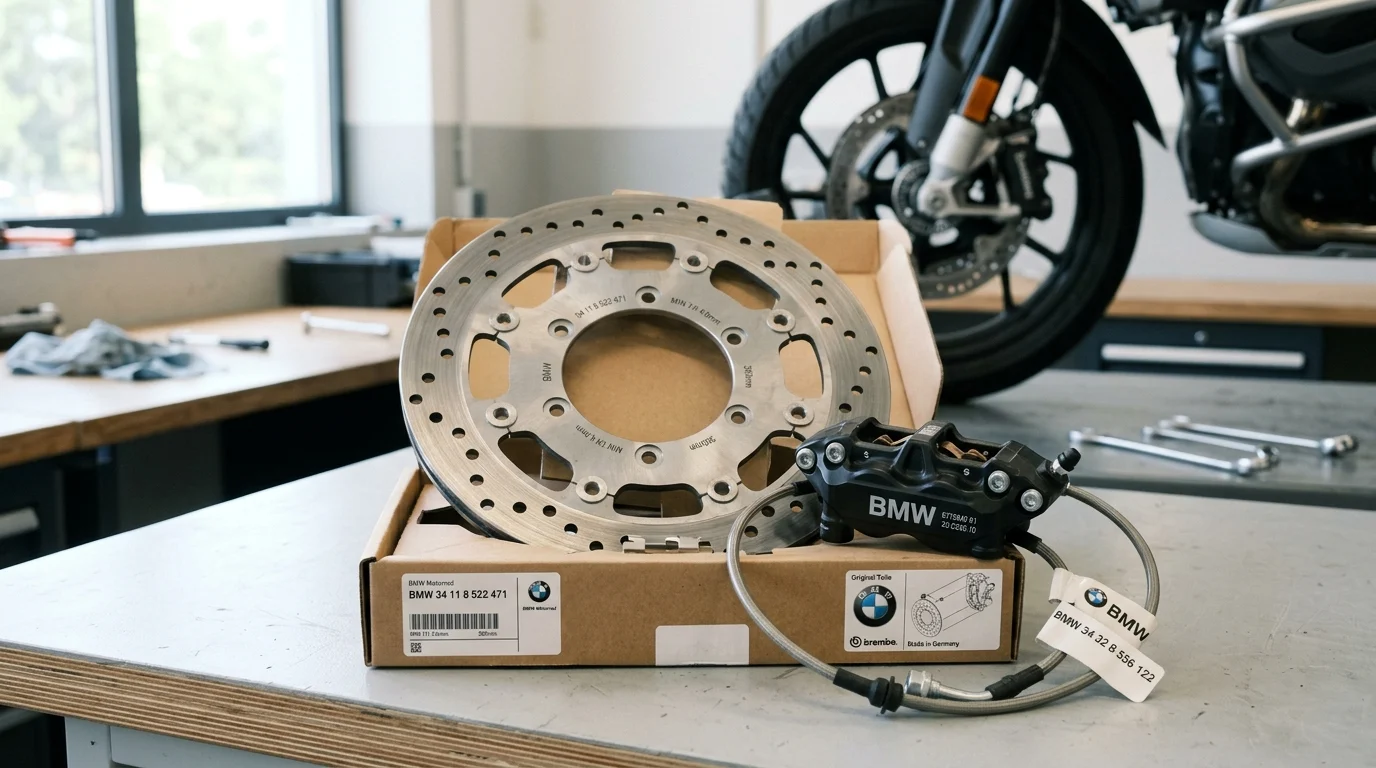
Choosing OEM motorcycle parts involves more than matching a part number or comparing unit prices. The right purchase affects fit, performance, warranty exposure, supply continuity, and long-term operating costs across assembly, repair, or distribution workflows. Before committing to a supplier, buyers need to assess several practical factors, from manufacturing quality and certification to lead times, compatibility, and total procurement value. This article outlines seven key considerations that help reduce sourcing risk, improve consistency, and support better purchasing decisions when evaluating OEM motorcycle components.
Why OEM motorcycle parts buying factors matter
Procuring Original Equipment Manufacturer (OEM) components is a foundational capability for motorcycle assembly lines, large-scale repair networks, and tier-one distributors. The strategic selection of these parts extends far beyond basic unit cost, directly influencing vehicle performance, warranty liabilities, and brand reputation in a highly competitive mobility market.
Because OEM parts are engineered to exact factory specifications, integrating them into a supply chain requires a rigorous evaluation of technical fidelity, commercial viability, and supplier maturity. Miscalculations in this procurement phase can lead to cascading assembly delays or catastrophic mechanical failures.
Introduction to OEM motorcycle parts buying
The global motorcycle parts market necessitates advanced procurement strategies that evaluate multiple dimensions of the supply chain. For premium motorcycle segments, OEM components can account for up to 65% of the total vehicle assembly cost, making optimized sourcing a critical driver of overall profitability.
Procurement professionals must navigate a complex matrix of metallurgical standards, production scalability, and logistics. Establishing a baseline understanding of these OEM motorcycle parts buying factors ensures that sourcing managers align their purchasing protocols with broader corporate objectives, mitigating risks associated with sub-standard component integration.
OEM vs aftermarket parts
The technical distinction between OEM and aftermarket alternatives rests primarily on proprietary engineering data and quality control mandates. OEM components are manufactured using the original computer-aided design (CAD) models and material blueprints, guaranteeing dimensional tolerances often as strict as ±0.01 mm. This precision ensures seamless integration with adjacent vehicle subsystems.
Conversely, aftermarket parts are frequently reverse-engineered. While some premium aftermarket components meet or exceed original specifications, the broader aftermarket segment often prioritizes cost reduction over absolute structural fidelity. Consequently, relying on authentic OEM components significantly reduces the variance in assembly line fitment and long-term mechanical wear.
Technical and quality factors to assess
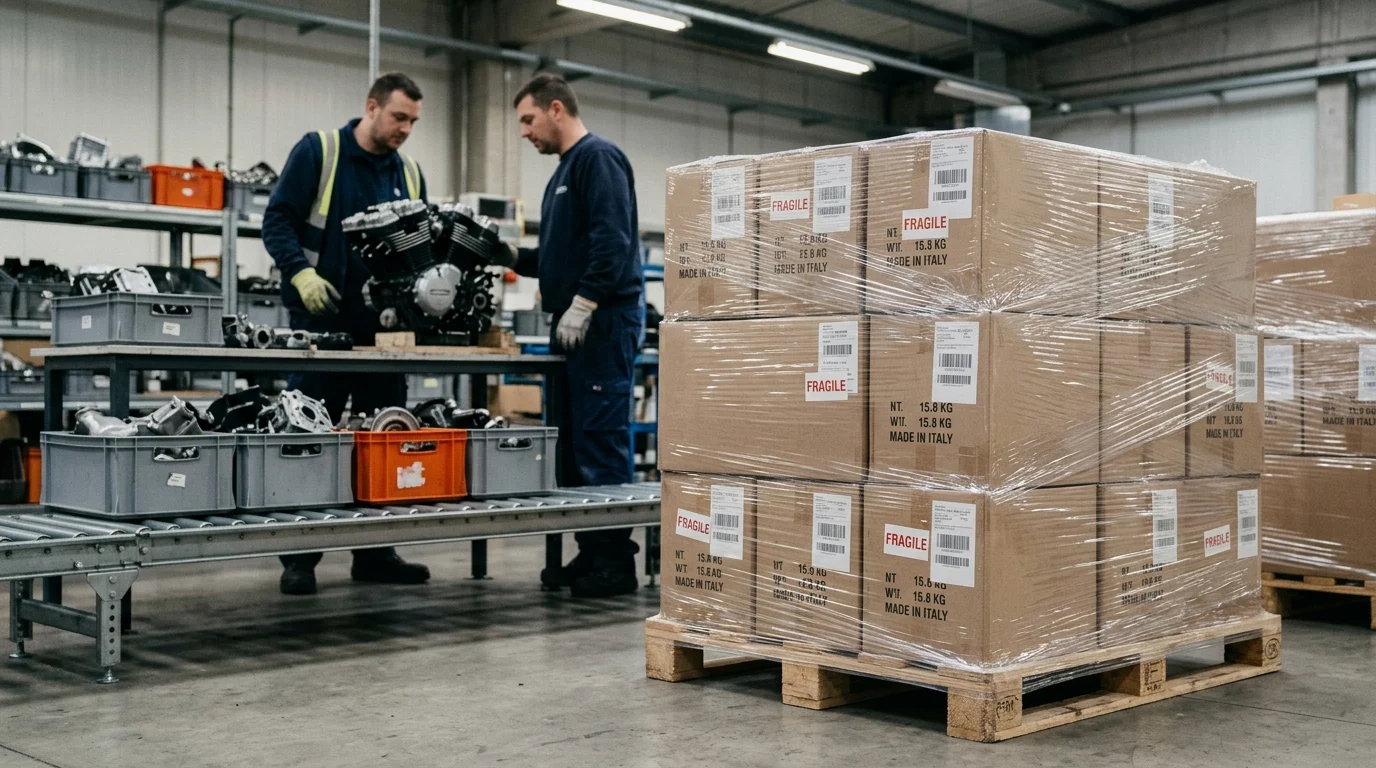
Engineering validation forms the core of any robust OEM procurement strategy. Without stringent technical oversight, even minor deviations in material composition or physical dimensions can compromise the structural integrity of the motorcycle, leading to elevated warranty claims and potential safety hazards.
Fitment accuracy and material specifications
Fitment accuracy dictates how seamlessly a component integrates into the existing motorcycle architecture. For critical components like engine mounts or braking calipers, a dimensional deviation of just 0.05 mm can induce destructive harmonic vibrations or catastrophic failure under load. Material specifications are equally vital; specifying 6061-T6 aluminum rather than generic alloys ensures the required tensile strength and fatigue resistance.
| Metric | OEM Specification Target | Unacceptable Deviation |
|---|---|---|
| Dimensional Tolerance | ±0.01 mm | > 0.03 mm |
| Tensile Strength (Alloy) | 310 MPa minimum | < 290 MPa |
| Surface Roughness | Ra 0.8 | > Ra 1.6 |
| Hardness (Steel components) | 45-50 HRC | < 40 HRC |
Evaluating these specifications requires direct access to the supplier’s material certificates and laboratory test results. Procurement teams must verify that the raw materials sourced by the manufacturer align perfectly with the original engineering blueprints.
Quality assurance and test documentation
Quality assurance (QA) protocols separate elite OEM manufacturers from standard foundries. A credible supplier must operate under an active Quality Management System (QMS), typically certified to IATF 16949 (formerly ISO/TS 16949) or at least ISO 9001:2015 standards. These frameworks mandate rigorous documentation, including the Production Part Approval Process (PPAP) and Failure Mode and Effects Analysis (FMEA).
When evaluating product quality, buyers should demand a defect rate threshold of fewer than 50 Parts Per Million (PPM). Additionally, test documentation such as salt spray corrosion testing (minimum 480 hours for exposed chassis parts) and dynamic fatigue testing must be readily available for compliance auditing.
Sourcing, compliance, and supplier credibility
Securing high-quality components requires a supply chain ecosystem built on transparency, legal compliance, and operational credibility. Vetting the organizations that manufacture these parts is just as critical as inspecting the physical components themselves, as supplier instability directly translates to production downtime.
Supplier evaluation criteria
Effective supplier evaluation relies on quantitative auditing across financial, operational, and technological domains. Procurement managers should assess a supplier’s production capacity to ensure they can meet peak demand; a typical baseline requirement for mid-scale assembly is a confirmed capacity of at least 10,000 units per month without requiring excessive overtime.
Furthermore, evaluating the supplier’s internal tooling capabilities and machinery age provides insight into their long-term viability. Suppliers investing in multi-axis CNC machining centers and automated coordinate measuring machines (CMM) demonstrate a commitment to precision that manual operations cannot match.
Regulatory and safety compliance
Motorcycle components are subject to stringent international safety and environmental regulations. Depending on the target market, OEM parts must comply with standards such as Department of Transportation (DOT) mandates in the United States, or Economic Commission for Europe (ECE) regulations, such as ECE R90 for brake friction materials.
Failure to source compliant parts can trigger devastating financial consequences. Regulatory non-compliance can result in mandatory vehicle recalls, which cost manufacturers an average of $500,000 to over $2 million per incident, excluding the unquantifiable damage to brand equity and potential civil litigation.
OEM vs aftermarket comparison
When comparing OEM and aftermarket suppliers from a corporate sourcing perspective, the risk profiles differ dramatically. OEM suppliers are deeply integrated into the intellectual property (IP) protection frameworks of the primary vehicle brands, utilizing secure data transfer protocols to prevent unauthorized replication.
Additionally, verified OEM suppliers typically carry substantial commercial liability insurance—often policies exceeding $5 million—to cover potential systemic failures. In contrast, many aftermarket suppliers operate in jurisdictions with lax IP enforcement and carry minimal liability coverage, shifting the financial burden of part failure entirely onto the buyer.
Commercial and logistics considerations
Translating technical requirements into a viable commercial strategy requires a deep understanding of unit economics and global logistics. Buyers must balance the upfront costs of manufacturing against the hidden expenses of inventory management, shipping delays, and supply chain disruptions.
Price, MOQ, and total cost
The unit price of an OEM motorcycle part is heavily influenced by Minimum Order Quantities (MOQ). For custom forged or cast components, suppliers typically enforce MOQs ranging from 500 to 2,000 units to amortize the setup and tooling costs. Negotiating a lower MOQ often results in a 15% to 30% premium on the per-unit price.
Total Cost of Ownership (TCO) must be calculated to capture the true financial impact. TCO encompasses the raw part price, tooling amortization, defect rates, and the administrative burden of managing the supplier relationship, providing a much more accurate metric than the baseline factory quote.
Lead times, inventory, and shipping
Predictable lead times are essential for maintaining lean inventory models like Just-In-Time (JIT) manufacturing. Standard lead times for new OEM tooling development typically span 45 to 60 days, while subsequent mass production runs require 30 to 45 days. Factoring in ocean freight, the total dock-to-dock timeline can easily exceed 90 days.
To mitigate these delays, buyers often negotiate buffer inventory agreements, requiring the supplier to hold 30 days of safety stock at their facility. This strategy buffers against localized shipping disruptions, port congestion, or sudden spikes in assembly line demand.
Quotation validation process
A robust quotation validation process prevents cost overruns and ensures transparent pricing. Buyers must require suppliers to provide an open-book Bill of Materials (BOM) that separates raw material costs, direct labor, machine time, overhead, and profit margins.
| Cost Component | Typical Percentage of Quote | Negotiation Leverage |
|---|---|---|
| Raw Materials | 40% – 50% | Low (Market commodity driven) |
| Direct Labor | 15% – 20% | Medium (Dependent on automation) |
| Overhead & Tooling | 20% – 25% | High (Can be amortized or subsidized) |
| Profit Margin | 10% – 15% | Medium (Volume dependent) |
By contacting verified suppliers and utilizing this breakdown, procurement teams can benchmark costs against global commodity indexes, ensuring the quoted prices accurately reflect current market conditions rather than arbitrary markups.
How to make the final buying decision
The culmination of the procurement process is the synthesis of technical data, supplier audits, and commercial terms into a definitive purchasing decision. This phase requires moving from theoretical evaluation to structured, risk-adjusted execution.
Decision framework for evaluating options
Establishing a weighted decision matrix provides an objective framework for comparing multiple OEM suppliers. A standard industrial matrix might allocate 40% of the total score to quality and technical compliance, 30% to total cost of ownership, 20% to logistics and delivery reliability, and 10% to communication and technical support.
By assigning numerical values (e.g., 1 to 5) to each category based on audit results and quotation data, procurement teams can mathematically isolate the supplier that offers the optimal balance of risk and value, removing subjective bias from the multi-million-dollar sourcing process.
Turning buying factors into an action plan
Transforming these evaluated factors into an actionable procurement plan begins with legal frameworks, including Non-Disclosure Agreements (NDAs) and Master Supply Agreements (MSAs). Once legal protections are established, the buyer should initiate a pilot production run, typically restricted to 50 to 100 units.
This pilot run serves as the final physical validation of the supplier’s capabilities. Only after the pilot parts undergo destructive testing, assembly line fitment trials, and final PPAP sign-off should the procurement team authorize the transition to full-scale mass production, ensuring that all theoretical buying factors have been successfully realized in the physical product.
Further reading:
Key Takeaways
- The most important conclusions and rationale for OEM motorcycle parts buying factors
- Specs, compliance, and risk checks worth validating before you commit
- Practical next steps and caveats readers can apply immediately
Frequently Asked Questions
Why should buyers choose OEM motorcycle parts over aftermarket options?
OEM parts match original CAD specs and tolerances, reducing fitment issues, wear, and warranty risk. They are usually the safer choice for assembly lines and fleet repairs.
What documents should I request from an OEM motorcycle parts supplier?
Ask for material certificates, PPAP files, FMEA records, ISO 9001 or IATF 16949 certificates, and key test reports like fatigue and salt-spray results.
How can I verify fitment accuracy before placing a large order?
Request technical drawings, tolerance data, and production samples. Confirm dimensions against your motorcycle model requirements and validate sample fitment before mass purchase.
What quality metrics matter most when buying OEM motorcycle parts?
Focus on dimensional tolerance, material strength, hardness, surface finish, and defect rate. For reliable sourcing, prioritize suppliers with clear QA processes and low PPM levels.
How can ETOR Group content help evaluate OEM motorcycle parts suppliers?
Use ETOR Group Blog resources to compare supplier capabilities, documentation standards, and product requirements. It helps buyers build a more practical OEM sourcing checklist.