
Introduction
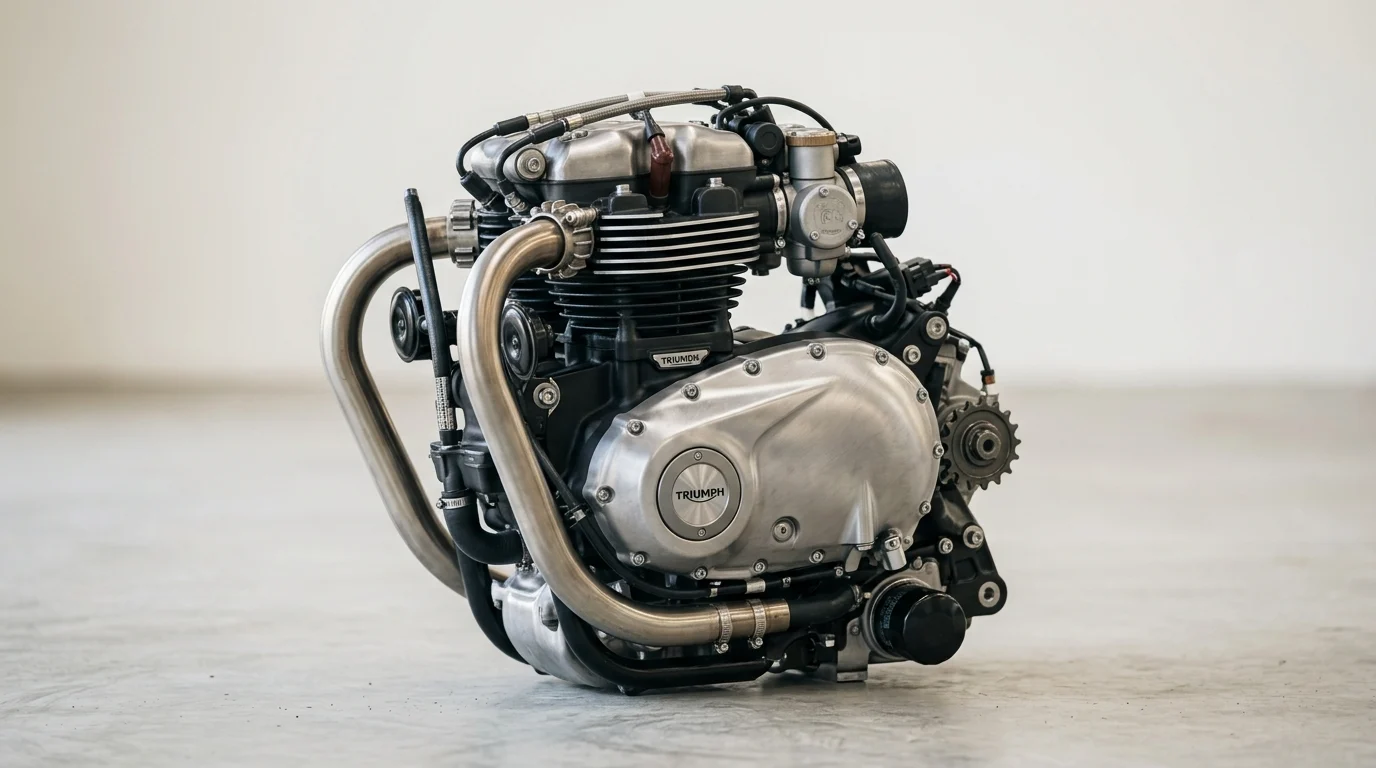
Oil leaks in a motorcycle engine are rarely caused by oil alone; they usually begin at sealing surfaces that can no longer handle heat, pressure, vibration, and chemical exposure. High-quality gaskets play a central role in keeping oil contained, maintaining pressure, and protecting critical components from premature wear. This article explains why gasket material, fit, and durability matter, how poor sealing leads to expensive reliability problems, and what to look for when selecting gaskets for production, repair, or performance applications. With that foundation, the discussion can move into the operating conditions, failure points, and practical sealing strategies that reduce leakage over time.
Why Motorcycle Engine Oil Leakage Is a High-Cost Reliability Issue
Motorcycle engine oil leakage represents a critical failure mode that compromises both mechanical integrity and brand reputation. Beyond the immediate environmental hazards and aesthetic degradation, fluid loss directly impacts the hydrostatic film thickness on journal bearings and cylinder walls. When lubricating oil escapes the crankcase or cylinder head boundaries, the resulting drop in oil pressure can lead to catastrophic metal-to-metal contact, necessitating total engine replacement. For original equipment manufacturers (OEMs) and aftermarket distributors, mitigating these leaks requires a rigorous engineering approach to sealing interfaces.
Gasket-related leak impacts on warranty and service costs
The financial burden of gasket failure extends far beyond the nominal cost of the replacement part. Warranty claims involving motorcycle engine oil leakage typically incur labor charges ranging from $150 to $400 per incident, as technicians often require two to four hours to perform complete top-end or crankcase teardowns. For large-scale manufacturers, a systemic sealing defect across a production year can translate into millions of dollars in warranty remediation, severe regulatory penalties for fluid emissions, and unquantifiable damage to consumer trust.
Operating conditions that accelerate engine oil leaks
Motorcycle engines operate within exceptionally harsh environments that aggressively degrade sealing components. High-performance powertrains frequently sustain rotational speeds exceeding 12,000 RPM, generating high-frequency harmonic vibrations that induce micro-movements between mated flanges. Furthermore, thermal cycling is extreme: engine block temperatures can fluctuate from sub-zero ambient conditions to sustained operating temperatures above 150°C. These rapid thermal expansions and contractions, coupled with internal crankcase pressure spikes, forcefully challenge the shear strength and elasticity of installed gaskets.
What Defines a High-Quality Gasket for Motorcycle Engine Oil Leakage
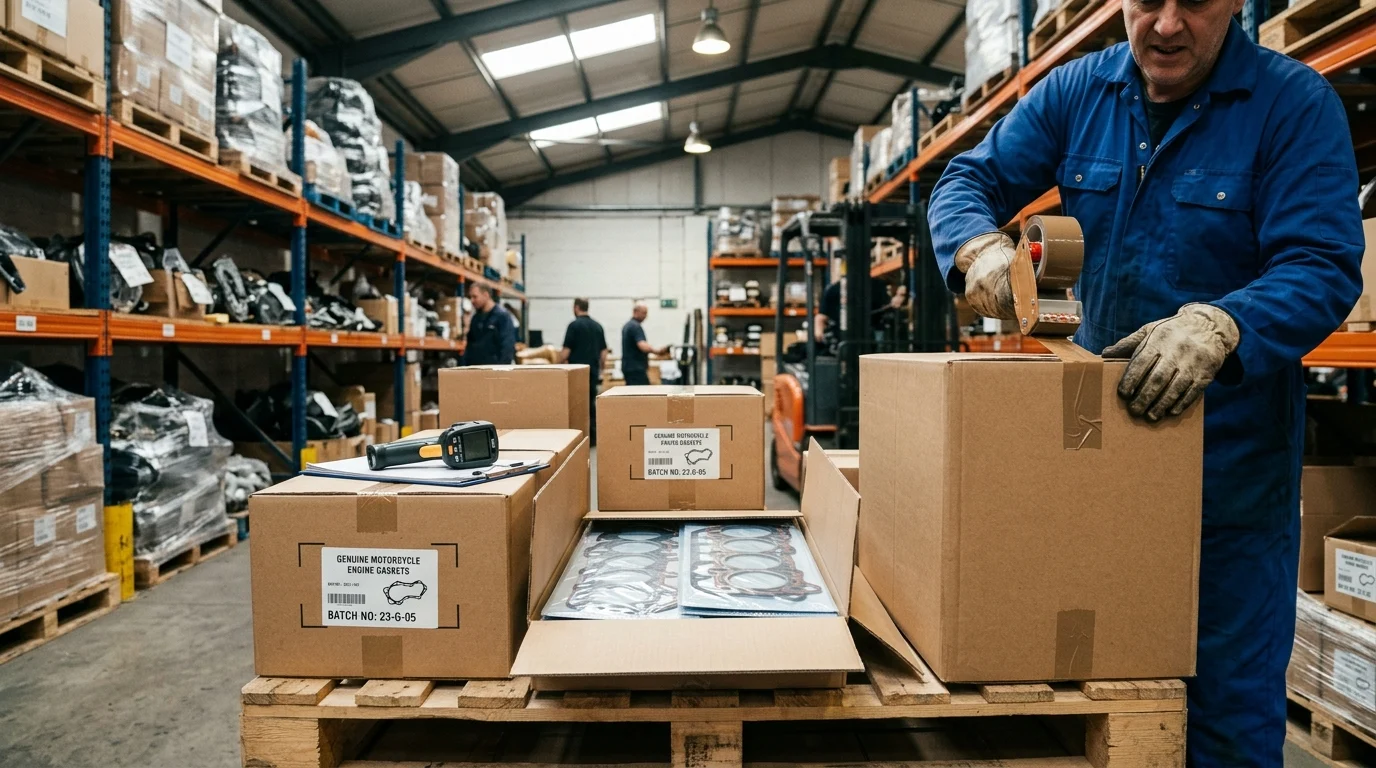
Achieving a hermetic seal in a motorcycle engine requires selecting a gasket engineered to withstand specific thermal and mechanical stresses. A high-quality gasket must seamlessly bridge the microscopic imperfections of mated metal surfaces while maintaining consistent radial and axial pressure throughout the engine's lifecycle.
Gasket materials, sealing geometry, and compression set
The foundation of leak prevention lies in the precise combination of base materials, sealing geometry, and a low compression set. Advanced gaskets utilize engineered bead profiles—raised ridges that concentrate clamping load—to create localized high-pressure sealing zones. To maintain efficacy over long durations, the gasket material must exhibit a compression set of less than 15% after 1,000 hours of continuous exposure to 150°C synthetic oils. If the material permanently deforms beyond this threshold, the clamping force dissipates, creating microscopic pathways for oil migration.
How to compare paper, rubber-coated metal, MLS, and cork gaskets
Understanding the functional hierarchy of gasket materials is essential for proper application matching.
| Material Type | Max Operating Temp (°C) | Pressure Rating | Relative Cost | Primary Motorcycle Application |
|---|---|---|---|---|
| Cellulose/Paper | 120°C | Low | $ | Low-displacement crankcase covers |
| Cork Composite | 150°C | Low to Medium | $$ | Vintage restoration, valve covers |
| Rubber-Coated Metal (RCM) | 200°C | Medium | $$$ | Mid-displacement stators, clutches |
| Multi-Layer Steel (MLS) | 300°C+ | Very High | $$$$ | High-compression cylinder heads |
Multi-Layer Steel (MLS) provides superior structural integrity for high-stress zones, whereas Rubber-Coated Metal (RCM) offers excellent conformability for irregular stamped covers. Paper and cork, while economically advantageous, are increasingly relegated to low-stress or vintage applications due to their susceptibility to wicking and thermal degradation.
Key specifications and comparison criteria for buyers
Buyers must strictly evaluate dimensional tolerances and surface finish compatibility. For instance, MLS gaskets mandate a highly refined flange surface finish, typically requiring an arithmetic average roughness (Ra) of less than 0.8 µm to prevent fluid bypass. Additionally, high-quality manufacturing demands strict thickness tolerances—usually within ±0.02 mm—to ensure uniform torque distribution and prevent localized flange distortion during assembly.
How Manufacturers and Service Networks Can Prevent Motorcycle Engine Oil
Even the most technologically advanced sealing components will fail if installation protocols and diagnostic procedures are inadequate. Preventing motorcycle engine oil leakage requires a holistic approach that bridges precision manufacturing with rigorous service network practices.
Steps to reduce gasket failure in production and service
During engine assembly, mitigating gasket failure requires stringent control over fastener torque and flange cleanliness. Automated, multi-stage torque application is critical; utilizing torque-to-yield (TTY) fasteners with an accuracy tolerance of ±2 Nm ensures that the gasket is compressed evenly without crushing the elastomer beads or distorting the aluminum flanges. Furthermore, assembly lines and service centers must implement strict degreasing protocols, as residual machining oils or particulate matter larger than 50 microns can act as wedge points, initiating capillary leaks across the sealing plane.
Inspection routines to identify root causes of leaks
To identify the root causes of leaks, manufacturers and service networks must deploy standardized diagnostic routines. In a production environment, automated pressure decay testing is the industry standard. Engines are pressurized with air to approximately 2 bar, and sensors monitor for pressure drops; a leakage rate exceeding 5 cc/min indicates an immediate sealing breach. In the field, service technicians utilize fluorescent UV dye additives mixed into the engine oil. After a 30-minute test cycle under maximum load, UV illumination precisely highlights the origin of the seep, distinguishing between a compromised gasket, a porous aluminum casting, or a failing rotary shaft seal.
How Procurement Teams Should Evaluate Motorcycle Engine Gasket Suppliers
Sourcing reliable sealing components requires procurement teams to look beyond unit pricing and meticulously audit the supplier's manufacturing ecosystem. The chosen partner must demonstrate robust quality management and an ability to scale production without compromising material integrity.
Supplier capabilities, testing, and traceability controls
Evaluation begins with verifying core manufacturing capabilities and traceability. Tier-1 gasket suppliers must operate under IATF 16949 quality management systems, ensuring automotive-grade process controls. Procurement teams should demand comprehensive testing data, including thermal shock resistance and chemical compatibility with modern API SN-rated synthetic oils. Furthermore, batch traceability is non-negotiable; suppliers must imprint QR codes or alphanumeric lot numbers on packaging or the gaskets themselves, allowing OEMs to isolate and recall specific production runs if defect rates spike above the industry benchmark of 50 Parts Per Million (PPM).
Compliance requirements and regional manufacturing standards
Global procurement also necessitates strict adherence to regional environmental and safety regulations. Suppliers must certify that all sealing materials are 100% asbestos-free to comply with the European Union's REACH and RoHS directives, as well as similar North American mandates. Additionally, procurement teams must verify that the supplier's curing and stamping facilities meet local volatile organic compound (VOC) emission standards. Partnering with a non-compliant supplier risks severe supply chain disruptions, port seizures, and reputational damage for the motorcycle manufacturer.
How to Balance Cost, Performance, and Lifecycle Value
The ultimate objective in sealing procurement is achieving a harmonious balance between upfront component costs, operational performance, and long-term reliability. Decision-makers must frame gasket selection through the lens of total lifecycle value rather than isolated line-item expenses.
How to weigh unit price against leak prevention performance
Weighing unit price against leak prevention performance requires a quantitative risk assessment. Upgrading from a basic composite gasket to a precision-engineered MLS or RCM variant requires a higher initial outlay but drastically reduces downstream liabilities.
| Gasket Technology | Est. Unit Cost (High Volume) | Failure Risk (100k miles) | Warranty Cost Exposure per Unit |
|---|---|---|---|
| Standard Cellulose/Paper | $0.40 – $0.80 | 4.5% | High ($15.00+) |
| Rubber-Coated Metal (RCM) | $1.20 – $2.50 | 1.2% | Low ($4.00) |
| Multi-Layer Steel (MLS) | $3.50 – $6.00 | < 0.3% | Minimal (< $1.00) |
Investing an additional $3.00 at the assembly level for an MLS head gasket can eliminate hundreds of dollars in localized warranty repair costs and prevent catastrophic engine failures.
Final selection criteria for buyers and service operators
Final selection criteria must align the gasket technology with the specific motorcycle platform's displacement and intended use case. High-compression engines exceeding 500cc inherently demand the rigidity and thermal resilience of MLS gaskets for cylinder heads and exhaust manifolds. Conversely, sub-125cc commuter platforms or low-pressure crankcase covers can achieve optimal lifecycle value utilizing RCM or high-grade aramid fiber composites. Buyers and service operators must conduct thorough supplier audits, mandate physical prototype testing, and calculate the total cost of ownership to ensure that the chosen sealing solution delivers uncompromising reliability throughout the motorcycle's operational life.
Key Takeaways
- The most important conclusions and rationale for Motorcycle Engine
- Specs, compliance, and risk checks worth validating before you commit
- Practical next steps and caveats readers can apply immediately
Frequently Asked Questions
What gasket material is best for preventing motorcycle engine oil leaks?
Match the gasket to the application: MLS for high-compression heads, rubber-coated metal for side covers, and paper or cork mainly for low-stress or vintage engines.
Why do motorcycle engine gaskets start leaking over time?
Heat cycling, vibration, crankcase pressure, surface irregularities, and compression set reduce sealing force and create small paths for oil to escape.
Can a high-quality gasket stop leaks if installation is poor?
No. Even premium gaskets fail if surfaces are dirty, warped, scratched, or torqued unevenly. Clean flanges, verify flatness, and follow the correct torque sequence.
How can buyers compare gasket quality before purchasing?
Check material type, temperature rating, thickness tolerance, compression-set performance, and surface-finish requirements. Choose parts with application-specific specs rather than generic fitment only.
When should a leaking motorcycle engine gasket be replaced?
Replace it as soon as oil seepage is visible, oil pressure drops, or residue appears around covers or the head. Early replacement helps avoid bearing and cylinder damage.