
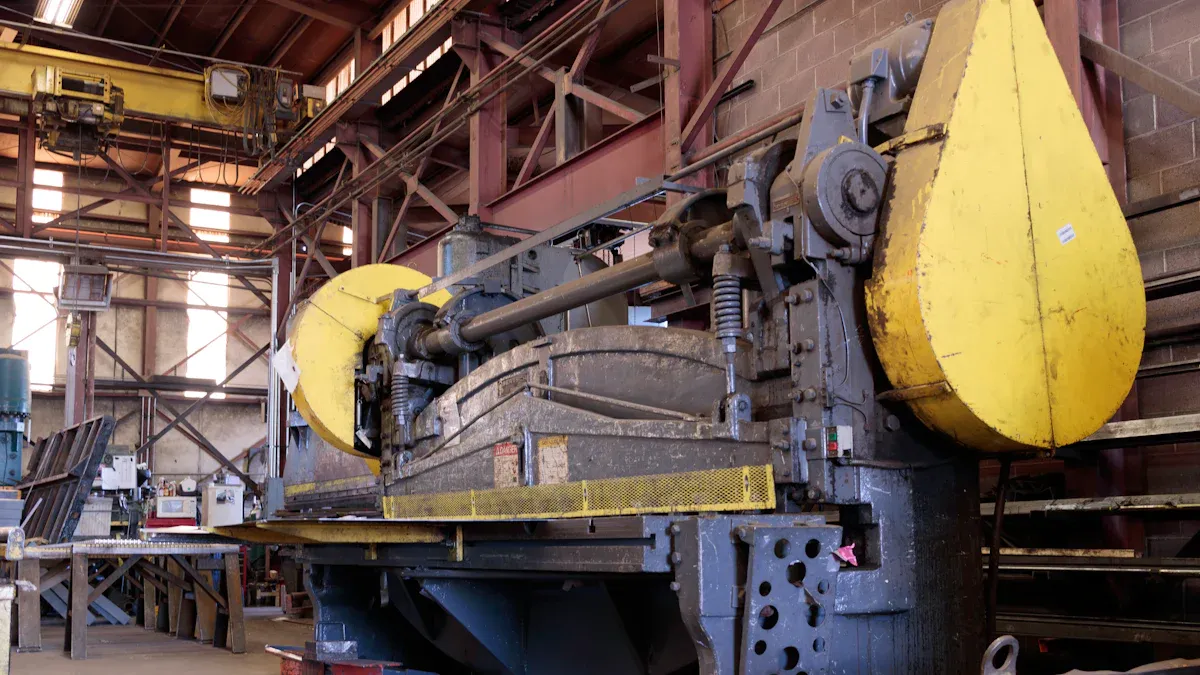
Selecting the right bearings for high-load applications is crucial for ensuring optimal performance and longevity of machinery. Key factors influencing bearing selection include load ratings, operating conditions, and maintenance requirements. Load ratings, which encompass both static and dynamic ratings, determine a bearing’s ability to withstand substantial forces without failure. Ignoring these ratings can result in catastrophic breakdowns, especially in heavy duty machinery bearings such as tapered roller bearing assemblies and spherical roller thrust bearings. Additionally, Spherical Roller Bearings and Taper Roller Bearings are essential components in high-load industrial bearings. Proper assessment of these elements will lead to more reliable and efficient industrial operations.
Key Takeaways
- Understand load ratings. They determine how much weight a bearing can support. Always choose bearings with ratings that exceed expected loads for safety.
- Consider operating conditions. Factors like temperature and exposure to contaminants can affect bearing performance. Select bearings designed for specific environments.
- Prioritize maintenance. Regular inspection and lubrication are crucial. A proactive maintenance plan can extend bearing life and reduce costs.
- Choose the right type of bearing. For heavy machinery, tapered and spherical roller bearings are ideal. They handle high loads and provide durability.
- Avoid common mistakes. Ignoring load ratings, environmental factors, and maintenance needs can lead to premature bearing failure.
Criteria for Selection

Load Ratings
Load ratings are fundamental in determining the suitability of bearings for high-load applications. They provide critical insights into how much weight a bearing can support under various conditions. The following table outlines the standard load rating metrics used to evaluate bearings:
| Metric | Definition | Standard Measurement | Relevance to Bearing Forces |
|---|---|---|---|
| Dynamic Load Rating (C) | The load a bearing can sustain for 1 million revolutions under dynamic conditions without fatigue. | Newtons (N) or pounds (lbs) | Critical for assessing the bearing’s capability to handle varying and fluctuating forces during operation. Higher C values are preferable for dynamic load conditions. |
| Static Load Rating (C0) | The maximum load a bearing can handle at rest without permanent deformation. | Newtons (N) or pounds (lbs) | Essential for understanding the bearing’s ability to resist forces when stationary, crucial for applications where high static forces are present. |
| Fatigue Life (L10) | Expected life at which 90% of bearings will operate without failure under a specified load. | Millions of revolutions | Directly influenced by the magnitude and direction of forces; used to predict the bearing’s durability under operational forces. |
| Equivalent Dynamic Load (P) | A calculated value that combines both radial and axial forces into a single representative load. | Newtons (N) or pounds (lbs) | Essential for evaluating combined load conditions, ensuring the selected bearing can handle the cumulative effect of both radial and axial forces. |
Understanding these ratings helps engineers select the right bearing for specific applications, ensuring reliability and performance.
Operating Conditions
Operating conditions significantly affect bearing performance. Factors such as temperature, speed, and environmental exposure can alter how bearings function under load. Key considerations include:
- High temperatures: Lead to material degradation and lubrication failure, especially above 150°C.
- Low temperatures: Can make materials brittle and lubricants excessively viscous, hindering performance.
- Corrosive environments: Cause surface corrosion and pitting, significantly reducing bearing life.
- Vacuum conditions: Traditional lubricants can outgas, leading to contamination and increased wear.
- High-speed operation: Generates heat and stress, requiring specialized bearings to handle increased RPMs.
Selecting bearings that can withstand these conditions is vital for maintaining operational efficiency and longevity.
Maintenance Requirements
Maintenance plays a crucial role in the lifespan of bearings, especially in high-load scenarios. Statistics indicate that improper lubrication is responsible for up to 70% of bearing failures. This emphasizes the importance of maintenance in preventing costly failures. Implementing a comprehensive maintenance plan is economically beneficial, as energy and maintenance costs can account for 80-90% of the total lifecycle cost over 20 years.
Bearings designed for heavy-duty applications often feature sealed or shielded designs to minimize contamination and reduce maintenance needs. For instance, sealed bearings help maintain integrity even with minimal maintenance, making them ideal for harsh environments.
Choosing a bearing type with lower maintenance needs can significantly reduce the total cost of ownership compared to a more efficient but fragile option.
Types of Suitable Bearings
Roller Bearings
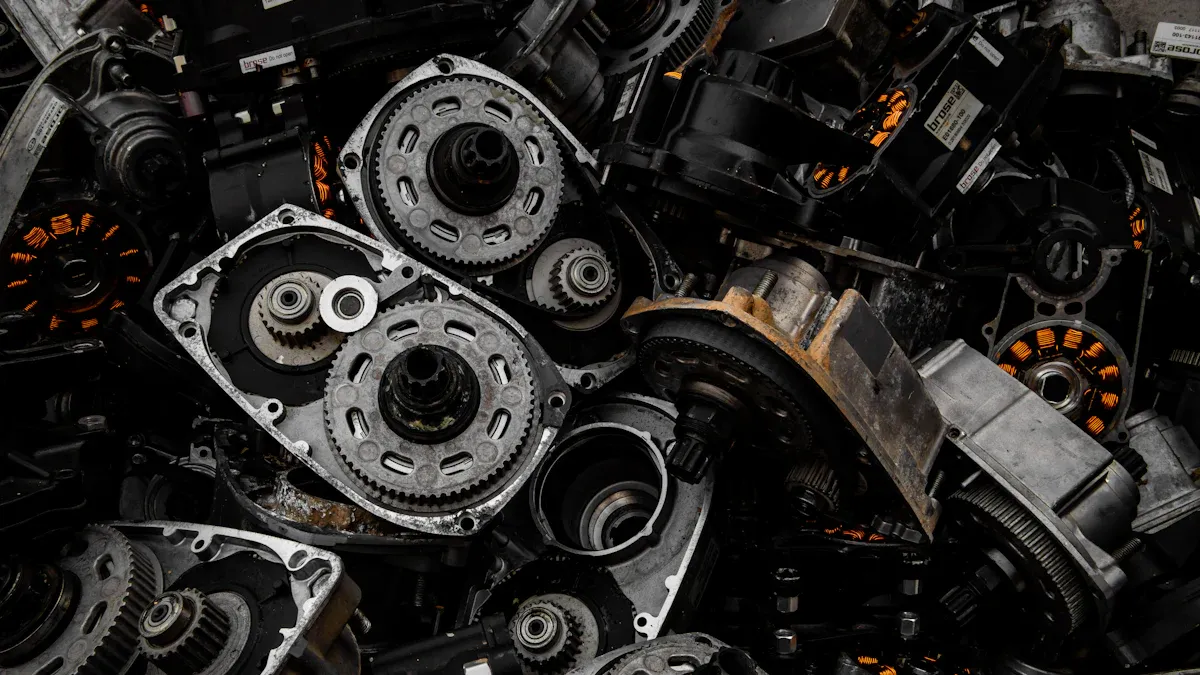
Roller bearings are a popular choice for high-load applications due to their ability to handle substantial radial loads. They utilize cylindrical rollers to distribute the load over a larger surface area, which reduces stress on individual components. This design enhances their load capacity and durability.
Key advantages of roller bearings include:
- High Load Capacity: They can support heavier loads compared to other bearing types.
- Reduced Friction: The rolling motion minimizes friction, leading to improved efficiency.
- Versatility: Available in various designs, including tapered and cylindrical roller bearings, they can be tailored to specific applications.
However, roller bearings may not perform well under certain conditions. For instance, they can be sensitive to misalignment, which may lead to uneven wear and reduced lifespan. Proper installation and alignment are crucial to maximizing their performance.
Ball Bearings
Ball bearings are commonly used in various applications due to their simplicity and effectiveness. They consist of balls that roll between inner and outer races, allowing for smooth rotation. While they are suitable for many applications, their limitations become apparent in heavy-duty environments.
Consider the following drawbacks of ball bearings in high-load scenarios:
- Sensitivity to Shock and Vibration: Ball bearings can fail prematurely when exposed to sudden impacts or vibrations.
- Limited Load Capacity: They are not ideal for extremely heavy loads, as their design restricts the amount of weight they can support.
- Environmental Vulnerability: Dirt and dust can infiltrate the bearing, leading to wear and potential failure. Contaminants can engrain themselves in the bearings, significantly reducing their service life.
Despite these limitations, ball bearings remain a viable option for lighter loads and applications where shock and vibration are minimal.
Spherical Roller Bearing
Spherical roller bearings excel in high-load applications, particularly where misalignment may occur. Their unique design allows them to accommodate both radial and axial loads, making them versatile for various industrial settings.
The benefits of spherical roller bearings include:
- High Load Handling: They can manage substantial loads effectively, ensuring reliable performance.
- Self-Aligning Capability: Their internal geometry helps distribute stress evenly, which is crucial in applications with misalignment. This feature reduces internal stress and minimizes wear, extending the operational life of the bearings.
- Resistance to Shock and Vibration: These bearings provide exceptional durability in demanding environments, making them suitable for heavy machinery and equipment.
- Operational Reliability: They can function effectively in extreme temperatures and contaminated environments, ensuring consistent performance.
Given these advantages, spherical roller bearings are often the preferred choice for heavy-duty applications where reliability and longevity are paramount.
Impact of Materials on Load Capacity
Steel vs. Ceramic
The choice of bearing material significantly influences load capacity and durability in high-load applications. Steel bearings, particularly chrome steel, provide high strength and load capacity, making them suitable for heavy-duty environments. However, they are prone to corrosion, which can compromise their longevity. In contrast, ceramic bearings, such as those made from silicon nitride or zirconia, excel in high-temperature conditions. They offer reduced friction and longer lifespans, making them ideal for operations where speed and corrosion resistance are critical.
| Bearing Material | Load Capacity | Durability | Environmental Resistance |
|---|---|---|---|
| Chrome Steel | High | Moderate | Low (prone to corrosion) |
| Stainless Steel | Moderate | High | High (rust and chemical resistance) |
| Ceramic Coated | High | Very High | High (corrosion resistant) |
| Specialty Alloys | Varies | High | Varies (depends on alloy) |
Material strength is crucial; high-quality steel or composite ceramics enhance resistance to fatigue. Heat treatments and crystallization improve surface hardness and durability, extending bearing life.
Coatings and Treatments
Coatings and treatments play a vital role in enhancing the performance and lifespan of bearings in harsh industrial environments. Specialty coatings can withstand a wider range of corrosive substances, thereby extending the lifespan of bearings. Effective materials include Cronoduir, corrosion-resistant stainless steel, and high-speed M50 steel. Bearings utilizing solid lubricants, such as high-molecular fluorine and molybdenum disulfide coatings, also demonstrate improved durability.
Bearings designed for extreme conditions often feature specialized coatings that enhance their durability and performance. These advancements ensure that bearings can operate effectively in demanding environments, maintaining reliability and efficiency.
Application-Specific Recommendations
Heavy Machinery
Heavy machinery operates under continuous high-load conditions, requiring robust bearing solutions. Recommended bearing types include:
- Tapered Roller Bearings: These bearings effectively manage both axial and radial forces. They excel in applications such as wheel assemblies and gearboxes, ensuring reliable performance.
- Cylindrical Roller Bearings: Known for their high radial load capacity, these bearings are commonly found in industrial gearboxes and electric motors. Their design allows for effective force distribution, minimizing wear.
- Needle Roller Bearings: Compact yet strong, these bearings fit into tight spaces within machinery like transmissions and pumps. They support significant loads despite their smaller size.
Selecting the right type of bearing for heavy machinery enhances operational efficiency and extends equipment life.
Transportation Equipment
Transportation equipment demands bearings that can withstand varying loads and environmental conditions. Bearings in this sector must ensure smooth operation and reliability. Key recommendations include:
- Ball Bearings: While they are suitable for lighter loads, they perform well in applications with minimal shock and vibration. Their simplicity makes them a common choice in automotive and rail applications.
- Spherical Roller Bearings: These bearings accommodate misalignment and handle both radial and axial loads. They are ideal for use in truck axles and railway bogies, where durability is essential.
Choosing the appropriate bearing type for transportation equipment ensures safety and efficiency on the road and rail.
Mining and Construction
In mining and construction, equipment faces harsh conditions and heavy loads. Bearings must withstand dust, moisture, and extreme temperatures. Recommended options include:
- Spherical Roller Bearings: Their self-aligning capability makes them suitable for heavy-duty applications in excavators and loaders. They provide reliability in challenging environments.
- Cylindrical Roller Bearings: These bearings are ideal for use in crushers and conveyors, where they manage high radial loads effectively.
Selecting the right bearings for mining and construction applications enhances equipment performance and reduces maintenance costs.
Common Mistakes to Avoid
Ignoring Load Ratings
One of the most significant mistakes in bearing selection is ignoring load ratings. Engineers must understand that load ratings dictate how much weight a bearing can support. Failing to consider these ratings can lead to premature bearing failure. Always refer to the dynamic and static load ratings before making a decision.
Tip: Always choose bearings with load ratings that exceed the expected operational loads. This practice ensures a safety margin and enhances reliability.
Overlooking Environmental Factors
Environmental conditions play a crucial role in bearing performance. Many professionals overlook factors such as temperature, humidity, and exposure to contaminants. These elements can drastically affect bearing life and functionality. For instance, bearings in corrosive environments require special coatings or materials to resist degradation.
- Key Environmental Considerations:
- Temperature Extremes: High or low temperatures can affect lubrication and material integrity.
- Contaminants: Dust, dirt, and moisture can lead to wear and failure.
- Vibration and Shock: These forces can compromise bearing alignment and performance.
Failing to Consider Maintenance
Neglecting maintenance requirements is another common mistake. Bearings in high-load applications require regular inspection and lubrication to function optimally. Many operators assume that once bearings are installed, they do not need further attention. This assumption can lead to costly breakdowns.
Note: Implementing a proactive maintenance schedule can extend bearing life and reduce overall costs. Regular checks can identify potential issues before they escalate.
By avoiding these common mistakes, professionals can enhance the performance and longevity of bearings in high-load industrial applications.
Selecting the right bearings for high-load applications is essential for ensuring machinery reliability and longevity. Proper bearing selection minimizes the risk of failure and enhances operational efficiency.
Tip: Assess specific operational needs before making a choice. Consider factors such as load ratings, environmental conditions, and maintenance requirements.
Consulting with experts or suppliers can provide tailored solutions that meet unique application demands. This proactive approach leads to better performance and reduced costs in the long run.
FAQ
What factors should I consider when selecting bearings for high-load applications?
Consider load ratings, operating conditions, and maintenance requirements. Assess the specific environment, including temperature and exposure to contaminants, to ensure optimal performance and longevity.
How do I determine the appropriate load rating for my application?
Calculate the expected loads during operation. Use dynamic and static load ratings to select bearings that exceed these values, ensuring a safety margin for reliability.
Are there specific bearings recommended for heavy machinery?
Yes, tapered roller bearings and spherical roller bearings are ideal for heavy machinery. They effectively manage both radial and axial loads, ensuring durability and performance under high-stress conditions.
How often should I maintain bearings in high-load applications?
Regular maintenance is crucial. Inspect and lubricate bearings at recommended intervals to prevent failures. A proactive maintenance schedule can significantly extend bearing life and reduce costs.
Can environmental factors affect bearing performance?
Absolutely. Factors like temperature extremes, moisture, and contaminants can impact bearing life. Choose bearings designed for specific environmental conditions to enhance reliability and performance.