
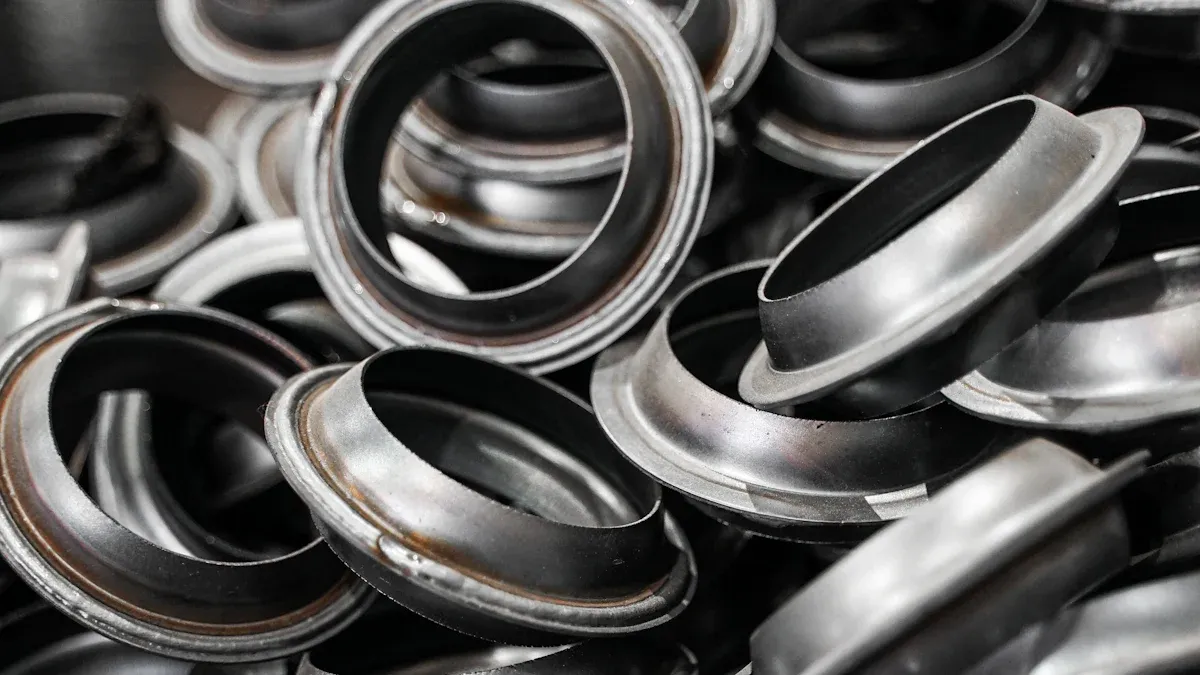
Selecting the right motorcycle parts bearings is crucial for ensuring durability and performance. Factors such as overheating, misalignment, and contamination can significantly impact the longevity of auto parts bearings. For instance, overheating can degrade materials, while misalignment may cause abnormal wear patterns in components like Taper Roller Bearings and Needle Roller Bearings. To combat these issues, implementing effective bearing maintenance tips is essential. Regular cleaning and proper lubrication can prevent catastrophic failures, allowing riders to enjoy a smoother and safer experience on the road.
Key Takeaways
- Selecting the right motorcycle bearings enhances performance and durability. Consider load capacity and operating conditions for optimal results.
- Regular inspections of bearings prevent premature failures. Check for unusual noises or vibrations to catch issues early.
- Proper cleaning and lubrication are essential for longevity. Use mild degreasers and grease to maintain smooth operation.
- Recognize signs of wear, such as grinding noises or rough resistance. Early detection can save time and money on repairs.
- Avoid common mistakes like overlooking compatibility and ignoring maintenance schedules. Proper care leads to a safer, smoother ride.
Types of Motorcycle Parts Bearings
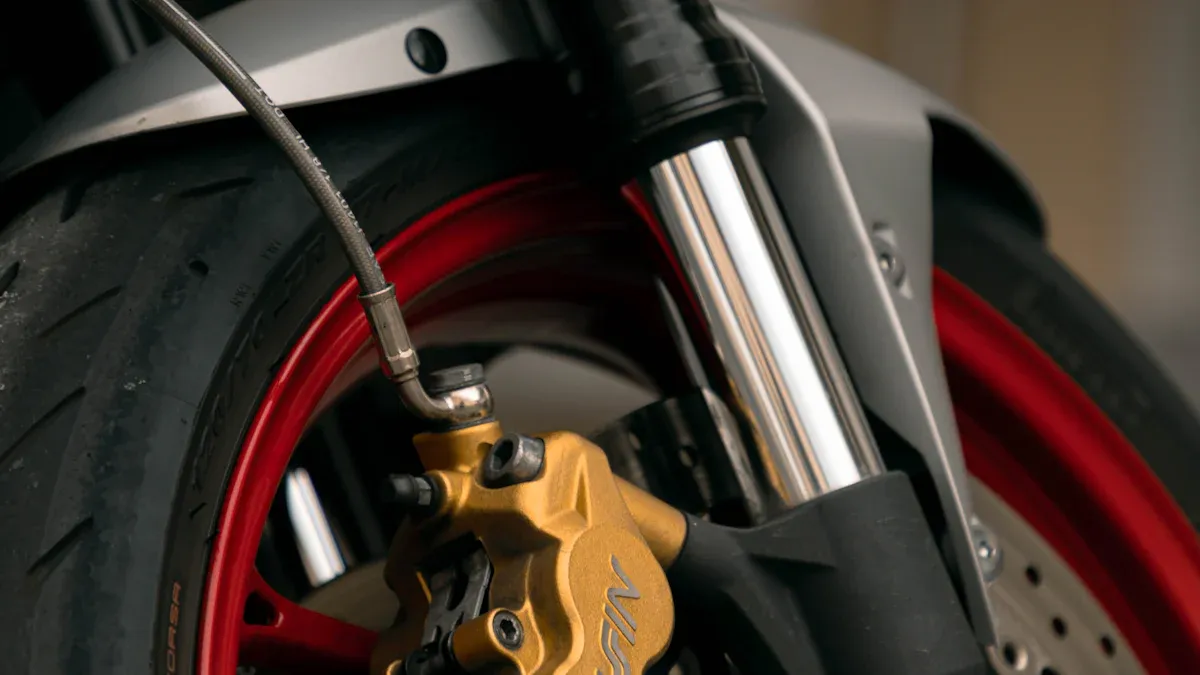
Ball Bearings
Ball bearings are among the most common types used in motorcycles. They consist of a series of balls that reduce friction between moving parts. Their design allows for smooth rotation, making them ideal for high-speed applications. With a performance rating of 9 out of 10, ball bearings excel in heat resistance and strength. They find applications in various motorcycle parts, ensuring reliability and durability.
Tip: When selecting ball bearings, consider their load capacity and operating conditions. This ensures optimal performance in your motorcycle.
Roller Bearings
Roller bearings feature cylindrical rollers instead of balls, which provide a larger contact area. This design allows them to handle heavier loads, making them suitable for heavy-duty motorcycles. With a performance rating of 8.5, roller bearings offer excellent stability and durability. They are commonly used in applications where high load capacity is essential, such as in the wheel hubs and drive systems of motorcycles.
| Bearing Type | Performance Rating (out of 10) | Durability Insights |
|---|---|---|
| Ball Bearing | 9 | Excellent heat resistance and strength |
| Roller Bearing | 8.5 | High load capacity, good for heavy bikes |
Needle Bearings
Needle bearings are compact and designed for high load-carrying capacity. Their slender design allows them to fit into tight spaces, making them ideal for applications like clutch and transmission systems. With a performance rating of 8, needle bearings are particularly valued in lightweight motorcycle designs. However, they may produce more noise and have speed limitations compared to other bearing types.
Note: While needle bearings are advantageous for space-saving designs, their higher cost may be a consideration for some riders.
Tapered Bearings
Tapered bearings play a vital role in motorcycle performance, especially in suspension systems. Their unique design features tapered rollers that allow for efficient load distribution. This design enhances stability and improves handling, making them ideal for various motorcycle applications.
- Key Benefits of Tapered Bearings:
- They ensure smooth operation, which is crucial for stability in motorcycle suspension systems.
- Tapered bearings provide precise steering control, particularly in the steering head assembly. This precision enhances overall handling and rider confidence.
- Properly functioning tapered bearings reduce the risk of accidents by maintaining stability and safety in critical systems like steering and suspension.
Motorcycle enthusiasts often choose tapered bearings for their ability to handle both radial and axial loads. This versatility makes them suitable for high-performance motorcycles that demand reliability and durability. Riders can expect improved cornering and braking performance when using tapered bearings, as they maintain consistent contact with the raceway.
Tip: When installing tapered bearings, ensure proper alignment and preload. This practice maximizes their performance and longevity.
In addition to their performance benefits, tapered bearings are also known for their durability. They can withstand harsh riding conditions, making them a preferred choice for both casual riders and competitive racers. Investing in high-quality tapered bearings can lead to a smoother ride and reduced maintenance costs over time.
Applications of Motorcycle Parts Bearings
Engine Components
Motorcycle parts bearings play a crucial role in engine components. They manage high loads from moving parts, ensuring smooth operation. Main and connecting rod bearings are essential for maintaining engine performance. These bearings withstand high temperatures and pressures, allowing the engine to function efficiently. Properly maintained engine bearings can significantly enhance the lifespan of the motorcycle.
Wheel Hubs
Wheel hubs rely on bearings to provide stability and reduce friction. Roller or tapered roller bearings support the vehicle’s weight and allow wheels to rotate with minimal resistance. This functionality is vital for performance and safety. When wheel bearings function correctly, they enhance handling and improve overall ride quality. Regular inspection and maintenance of wheel bearings can prevent costly repairs and ensure a safer riding experience.
Suspension Systems
Suspension systems also depend on high-quality bearings for optimal performance. Tapered bearings are commonly used in this area due to their ability to handle both radial and axial loads. They ensure smooth operation, which is crucial for stability during rides. Properly functioning suspension bearings contribute to better cornering and braking performance. Riders can enjoy a more controlled and comfortable experience when these components are in top condition.
| System | Type of Bearing | Function |
|---|---|---|
| Wheels | Roller or Tapered Roller | Supports vehicle weight and allows wheels to rotate with minimal friction. |
| Engine | Main and Connecting Rod | Manages high loads from moving parts, ensuring smooth operation. |
| Transmission | Needle and Ball Bearings | Ensures smooth shifting and durability under high-speed conditions. |
Maintaining motorcycle parts bearings across these applications is essential for durability and performance. Regular checks and timely replacements can prevent failures and enhance the overall riding experience.
Drive Systems
Motorcycle drive systems rely heavily on high-quality bearings to ensure optimal power transmission. These components play a crucial role in maintaining performance and reliability. To achieve this, motorcycle bearings must meet several specific requirements:
- Durability and Sealing: Bearings need to exhibit high durability and effective sealing to extend their service life.
- Load-Bearing Capacity: They should support high loads while resisting extreme conditions.
- Friction and Vibration Minimization: Effective bearings minimize friction and vibration, allowing for smooth rotation.
- Temperature Resistance: They must withstand high temperatures and large impact loads.
In addition to these requirements, drive system bearings must also cope with challenging terrains and high rotational speeds. This means they should be resistant to moisture and contaminants, ensuring they perform reliably under various conditions.
Tip: When selecting bearings for your motorcycle’s drive system, prioritize those that meet strict quality standards and undergo rigorous performance testing. This ensures that they can handle the demands of both casual rides and competitive racing.
Using the right bearings in the drive system not only enhances performance but also contributes to the overall safety of the motorcycle. Riders can expect improved acceleration and smoother gear shifts when their drive system bearings are in top condition. Regular maintenance and timely replacements can prevent costly repairs and enhance the longevity of the motorcycle.
Investing in high-quality bearings for the drive system is a smart choice for any motorcycle enthusiast. By ensuring that these components meet the necessary specifications, riders can enjoy a more reliable and enjoyable riding experience.
Selecting the Right Motorcycle Parts Bearings
Choosing the right motorcycle parts bearings is essential for optimal performance and durability. Several factors influence this decision, including material considerations, size and fit, and riding style and conditions.
Material Considerations
The material of motorcycle bearings significantly impacts their performance and longevity. Here are some key properties to consider:
- Durability and Wear Resistance: High-carbon steel or chromium steel bearings offer higher hardness. This quality allows them to support heavy loads without deformation, making them ideal for demanding applications.
- Friction and Operational Efficiency: Materials like ceramic bearings reduce friction, enhancing fuel efficiency and responsiveness. Lower friction translates to smoother rides and better overall performance.
- Resistance to Environmental Factors: Stainless steel or ceramic bearings resist corrosion, maintaining their performance even in wet conditions. This resistance is crucial for riders who frequently encounter moisture or harsh environments.
Selecting bearings made from the right materials ensures that they can withstand the rigors of motorcycle operation, ultimately extending their lifespan.
Size and Fit
The size and fit of motorcycle bearings play a critical role in their operational efficiency and safety. Properly sized bearings provide several advantages:
- They reduce friction, enhancing performance and ensuring smooth operation.
- Incorrect sizes can lead to increased wear and overheating, posing potential safety hazards.
- High-quality bearings improve performance by minimizing friction and ensuring smooth movement of components.
Additionally, bearings are vital for stability and control. They ensure proper handling, reducing the risk of accidents. Therefore, always verify the specifications of the bearings to ensure they match the requirements of your motorcycle.
Riding Style and Conditions
Different riding styles and environmental conditions necessitate specific bearing types. The following table outlines suitable bearing types based on various scenarios:
| Bearing Type | Suitable For | Key Features |
|---|---|---|
| Standard Bearings | Casual riders, dry climates | Durable, lightweight, high-grade aerospace steel. |
| FSS (Full Stainless Steel) | Damp, humid, coastal climates | Better moisture and salt resistance, harder steel for high-wattage efforts. |
| FSS with CX Seal | Mountain biking, gravel, cyclocross | Minimal friction increase, ideal for adverse conditions and repeated impacts. |
Understanding the demands of your riding style and the environmental factors at play can guide you in selecting the most appropriate bearings. For instance, riders in humid climates should opt for full stainless steel bearings to combat corrosion, while those in dry areas may choose standard bearings for their lightweight properties.
Maintenance Practices for Motorcycle Parts Bearings Longevity
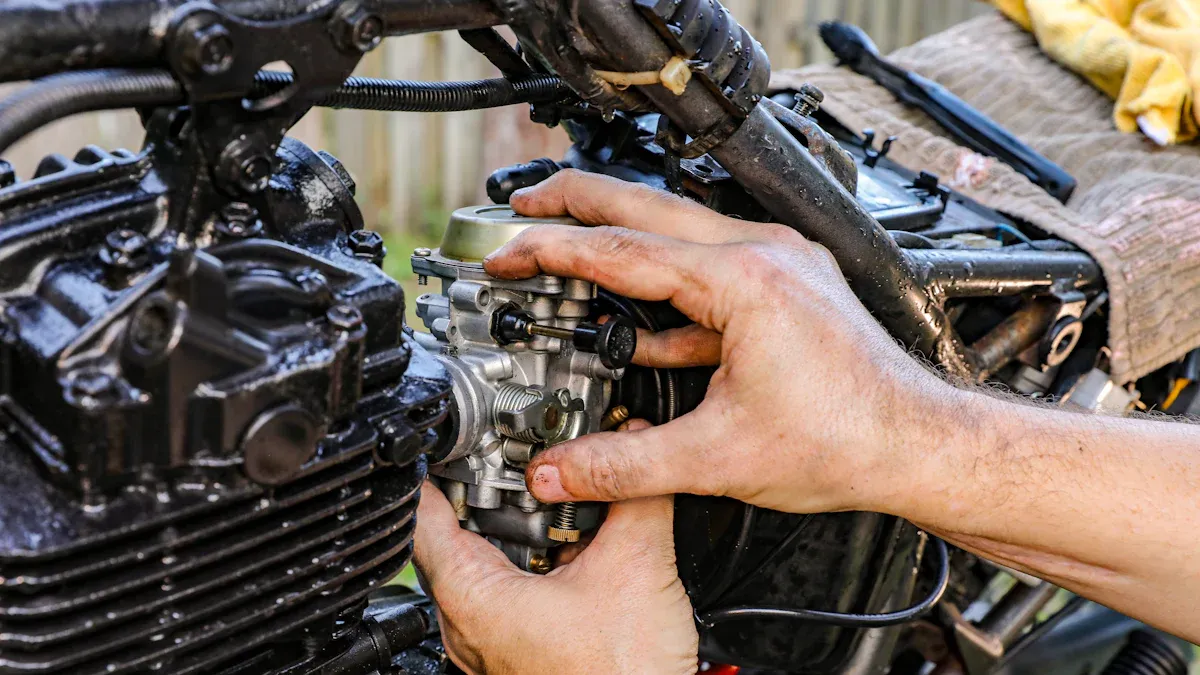
Regular Inspection
Regular inspections of motorcycle parts bearings are essential for preventing premature failure. Riders should adopt a proactive approach to maintenance by checking their bearings frequently. This practice helps identify potential issues before they escalate. The following table outlines recommended inspection frequencies based on different riding scenarios:
| Riding Scenario | Inspection Frequency |
|---|---|
| Daily Commuter (Urban/Rainy) | Every 6 months |
| Touring Rider | Before long trips; replace every 30,000 miles |
| Adventure/Off-Road | Every 5,000 miles |
| Cruiser/Infrequent Use | Annual check |
By adhering to these guidelines, riders can ensure their motorcycle parts bearings remain in optimal condition. During inspections, they should look for unusual noises, vibrations, or any signs of wear. Noticing these indicators early can save time and money on repairs.
Cleaning Techniques
Keeping motorcycle parts bearings clean is vital for their longevity. Contaminants can lead to corrosion and premature wear. Riders should utilize effective cleaning techniques to maintain their bearings. Recommended cleaning solvents include:
- Mild degreasers
- Isopropyl alcohol
These solvents effectively remove dirt and grime without damaging the bearings. Riders should disassemble the bearings carefully and apply the cleaning solution using a soft brush. After cleaning, ensure that the bearings dry completely before reassembly. This step prevents moisture from causing rust and other issues.
Tip: Regular cleaning not only enhances performance but also extends the lifespan of motorcycle parts bearings.
Lubrication Methods
Proper lubrication is crucial for the smooth operation of motorcycle parts bearings. Grease lubrication stands out as the most common and effective method. It offers several advantages over oil, such as maintaining cleaner surroundings and reducing the risk of drips. Grease also provides cost benefits through simpler seal structures and longer replacement intervals. In fact, grease is utilized in 80% of rolling bearings due to its proven track record.
When selecting lubricants, consider the following types:
| Lubricant Type | Description | Applications |
|---|---|---|
| Grease | Semi-solid lubricant with good sealing properties and long-lasting lubrication. | Suitable for applications with limited access points, such as automotive and industrial machinery. |
| Oil | Liquid lubricant providing low friction and superior heat dissipation. | Commonly used in high-speed applications like automotive engines and precision equipment. |
| Solid lubricants | Includes materials like graphite and PTFE, resistant to high temperatures. | Used in specialized industries such as aerospace and marine applications. |
Riders should apply the appropriate lubricant based on their motorcycle’s requirements. Regularly check the lubrication levels and replenish as needed. This practice ensures that the bearings operate smoothly and efficiently.
Note: Signs that motorcycle parts bearings need replacement include unusual noise, vibration, wheel misalignment, and difficulty in turning.
By implementing these maintenance practices, riders can significantly enhance the durability and performance of their motorcycle parts bearings. Regular inspections, effective cleaning techniques, and proper lubrication will lead to a smoother and safer riding experience.
Replacement Indicators
Recognizing when to replace motorcycle bearings is crucial for maintaining performance and safety. Several indicators signal that it’s time for a replacement. Riders should remain vigilant and attentive to these signs to avoid potential failures on the road.
-
Unusual Noises: If riders hear grinding or clicking sounds coming from the wheels, this often indicates bearing wear. These noises can signal that the bearings are no longer functioning optimally.
-
Rough Resistance: When spinning the wheel, if riders feel roughness or resistance, it may suggest that the bearings have deteriorated. Smooth rotation is essential for safe riding.
-
Side-to-Side Movement: Excessive lateral movement of the wheel can indicate worn bearings. This movement can compromise handling and stability, making it essential to address immediately.
According to industry standards, riders should inspect motorcycle wheel bearings every time they change tires or at least once a year. Typical replacement mileage ranges from 20,000 to 50,000 miles as part of preventive maintenance. By adhering to these guidelines, riders can ensure their motorcycle remains safe and reliable.
Tip: Regularly check for the signs mentioned above. Early detection can save time and money on repairs.
Common Mistakes in Motorcycle Parts Bearings Care
Overlooking Compatibility
Many riders make the mistake of overlooking compatibility when selecting motorcycle bearings. Choosing the wrong bearings can lead to serious performance issues. For instance, selecting bearings with incorrect load ratings can result in:
- Spalling: Material flaking off due to excessive stress.
- Brinelling: Dents forming from heavy loads.
- Cage deformation: Alterations in the bearing structure.
- Lubricant breakdown: Heat can cause lubricants to fail.
These issues can significantly reduce efficiency and may lead to catastrophic failures. Properly selected bearings ensure smooth handling, improved efficiency, and stability in various riding conditions, ultimately lowering accident risks.
Ignoring Maintenance Schedules
Ignoring recommended maintenance schedules can have dire consequences for motorcycle bearings. Regular maintenance is crucial for ensuring optimal performance and safety. Failing to adhere to these schedules can lead to:
- Increased wear and tear on crucial components.
- Reduced performance and efficiency.
- Unsafe riding conditions.
- Costly repairs and unexpected breakdowns.
Riders should prioritize regular inspections and maintenance to avoid these pitfalls. By staying on top of maintenance, they can enhance the longevity of their motorcycle bearings and enjoy a safer riding experience.
Using Incorrect Lubricants
Using incorrect lubricants is another common mistake that can severely impact the lifespan and safety of motorcycle bearings. The right lubricant is essential for smooth operation. Incorrect lubricants can lead to:
- Mechanical failures due to compromised lubrication.
- Increased risk of overheating, which can result in fires and catastrophic equipment failure.
Additionally, ignoring bearing issues can reduce safety, compromising handling and stability. Incorrectly installed bearings or those lacking proper lubrication can significantly shorten their lifespan. Riders should always use the manufacturer-recommended lubricants to ensure optimal performance and safety.
Tip: Regularly check and maintain your motorcycle bearings to avoid these common mistakes. Proper care leads to a smoother, safer ride.
Proper selection and maintenance of motorcycle bearings are vital for ensuring durability and performance. Riders should prioritize the right materials and regular inspections to enhance their motorcycle’s longevity.
Best Practices for Enhanced Durability:
- Take your time during the installation process to avoid mistakes.
- Regular inspections can reveal wear and tear, preventing premature failures.
- Use the right type of lubricant and replace it regularly to extend bearing lifespan.
- Clean the bearings routinely to prevent dirt accumulation and friction.
Assessing the condition of bearings is crucial. Riders can use the following methods to evaluate their motorcycle’s bearings:
| Component | Inspection Method | Condition Indication |
|---|---|---|
| Swingarm bearings | Move the swingarm laterally from side to side. | Excessive free play indicates wear. |
| Steering head bearings | Push and pull on the forks near the front axle with the front off the ground. | Fore and aft movement indicates wear. |
| Wheel bearings | Push and pull on the wheels perpendicular to the direction of rotation. | Grinding or crunchiness indicates problems. |
By implementing these practices, riders can enjoy a smoother, safer ride. Regular assessments and maintenance routines will lead to improved performance and reliability on the road.
FAQ
What are the signs that motorcycle bearings need replacement?
Riders should watch for unusual noises, rough resistance when spinning wheels, or excessive side-to-side movement. These signs indicate wear and may compromise safety.
How often should I inspect my motorcycle bearings?
Inspection frequency depends on riding conditions. Daily commuters should check every six months, while adventure riders should inspect every 5,000 miles.
What type of lubricant is best for motorcycle bearings?
Grease is the most effective lubricant for motorcycle bearings. It provides long-lasting protection and minimizes contamination compared to oil.
Can I clean motorcycle bearings myself?
Yes, riders can clean bearings at home. Use mild degreasers or isopropyl alcohol, and ensure they dry completely before reassembly to prevent rust.
How do I choose the right bearings for my motorcycle?
Consider material, size, and fit. Ensure compatibility with your motorcycle’s specifications and riding conditions for optimal performance and durability.