
Electric vehicle (EV) drivetrain efficiency and durability depend heavily on bearing design, material selection, and lubrication strategy. High-performance automotive bearings for EVs must handle higher rotational speeds, reduced noise thresholds, and increased torque density compared to internal combustion engine (ICE) systems. Key conclusions include: 1) low-friction design directly improves EV range, 2) thermal stability determines lifespan under high-speed electric motors, and 3) material science innovations such as ceramic hybrids are critical for next-generation EV platforms.
According to the International Energy Agency EV Outlook 2025, global EV sales exceeded 17 million units in 2025, intensifying demand for high-efficiency drivetrain components. Bearings account for measurable energy losses in electric drivetrains, making optimization a high-impact engineering priority.
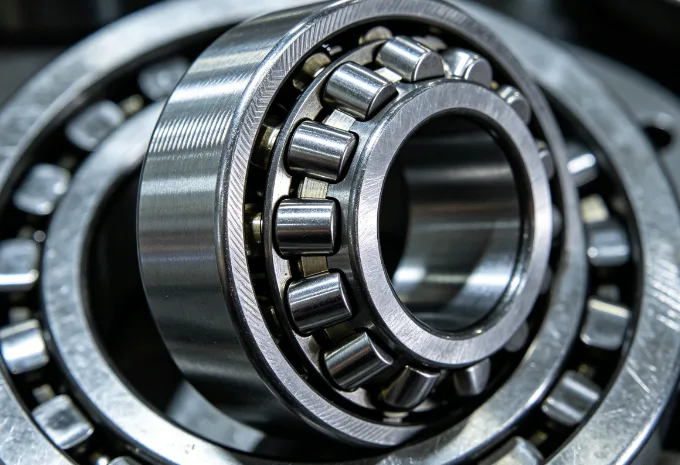
EV Bearing Performance Requirements: Speed, Load, and Efficiency Optimization
EV bearings operate under fundamentally different conditions than ICE bearings. Electric motors generate peak torque instantly, requiring bearings to withstand high radial and axial loads at startup. Simultaneously, EV motors often exceed 20,000 RPM, increasing demands on lubrication and heat dissipation.
Key performance parameters include:
- Rotational speed capability (>20,000 RPM typical in EV motors)
- Noise, vibration, and harshness (NVH) reduction
- Electrical insulation to prevent current leakage
- Thermal resistance under continuous load
A study from National Renewable Energy Laboratory (NREL) highlights that reducing drivetrain friction by 10% can improve EV efficiency by approximately 3–5%. This positions bearing selection as a critical engineering decision rather than a secondary component choice.
Material Selection in EV Bearings: Steel vs Ceramic Hybrid Bearings
Material engineering defines bearing performance in EV applications. Traditional bearing steel remains widely used, but hybrid ceramic bearings are increasingly adopted in high-speed EV motors.
| Material Type | Key Properties | Typical Use Case |
|---|---|---|
| Bearing Steel | High strength, cost-effective | Standard EV drivetrain |
| Hybrid Ceramic | Low friction, electrical insulation | High-speed electric motors |
| Full Ceramic | Corrosion resistance, lightweight | Specialized EV or aerospace use |
Hybrid ceramic bearings, often using silicon nitride balls, reduce friction and eliminate electrical pitting. According to NASA tribology research, ceramic rolling elements can reduce wear rates significantly under high-speed conditions.
For component sourcing, electric motor bearings and ceramic hybrid bearings are commonly evaluated for EV-specific requirements.
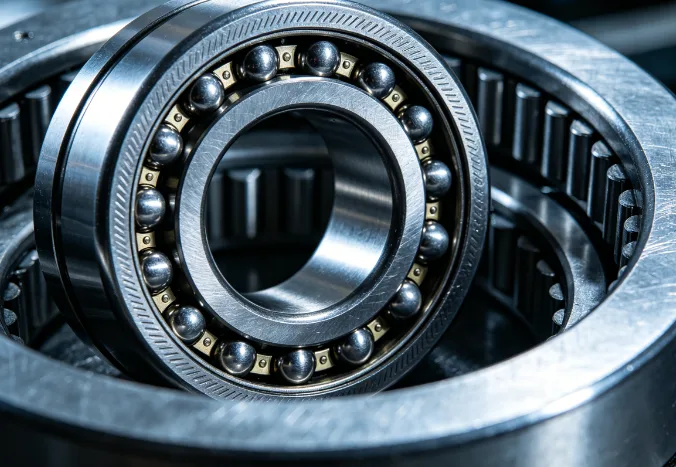
Lubrication Strategies for High-Speed EV Bearings
Lubrication directly affects bearing efficiency, heat generation, and lifespan. EV bearings typically rely on advanced greases or oil-air lubrication systems due to high-speed operation.
Common lubrication methods include:
- Grease lubrication for sealed systems
- Oil mist lubrication for high-speed motors
- Oil jet systems for high-performance EV applications
The U.S. Department of Energy notes that optimized lubricants can reduce friction losses by up to 30% in electric drivetrains. Lubricant viscosity must remain stable across wide temperature ranges, especially in fast-charging scenarios where thermal spikes occur.
Relevant component categories include high-speed bearing solutions and low-friction automotive bearings designed for EV efficiency optimization.
Thermal Management in EV Bearing Systems
Thermal management is a defining factor in EV bearing reliability. Electric motors generate concentrated heat due to high power density, requiring bearings to maintain dimensional stability under thermal stress.
Key thermal considerations include:
- Heat dissipation through housing design
- Lubricant degradation thresholds
- Material expansion coefficients
- Cooling system integration
According to SAE International technical paper 2024-01-0732, bearing temperatures in EV motors can exceed 120°C under peak load conditions. Excessive heat accelerates lubricant breakdown and reduces bearing life.
Applications often integrate EV drivetrain bearings with advanced cooling-compatible designs.
Electrical Insulation and Bearing Current Mitigation
Electric current leakage is a unique challenge in EV bearings. Stray currents can pass through bearings, causing electrical discharge machining (EDM) damage, leading to premature failure.
Mitigation techniques include:
- Insulated bearing coatings
- Ceramic rolling elements
- Shaft grounding systems
The National Institute of Standards and Technology (NIST) documents that electrical pitting can reduce bearing life by more than 50% if not addressed.
Component solutions such as insulated bearings for EV motors are designed to prevent current flow through the bearing structure.
Comparative Performance Table: ICE Bearings vs EV Bearings
| Parameter | ICE Bearings | EV Bearings |
|---|---|---|
| Speed Range | Moderate (≤10,000 RPM) | High (>20,000 RPM) |
| Load Characteristics | Cyclic torque | Instant high torque |
| Lubrication | Oil-based systems | Grease / hybrid systems |
| Electrical Exposure | Minimal | High (requires insulation) |
| Noise Requirements | Moderate | Low NVH requirement |
This comparison highlights the engineering shift required for EV-specific bearing solutions.
Key Selection Criteria for High-Performance EV Bearings
Selecting bearings for EV applications requires a multi-parameter evaluation approach. Key decision factors include:
- Load capacity under dynamic torque conditions
- Speed rating aligned with motor design
- Electrical insulation requirements
- Lubrication compatibility
- Thermal resistance and heat dissipation
A report from McKinsey Automotive Supply Chain Insights indicates that component-level optimization, including bearings, contributes significantly to EV efficiency gains and lifecycle cost reduction.
Emerging Trends in EV Bearing Technology
EV bearing technology continues to evolve alongside motor and battery innovation. Key trends include:
- Integration of smart sensors for predictive maintenance
- Development of solid lubrication technologies
- Increased adoption of lightweight composite materials
- AI-driven failure prediction models
These innovations align with broader electrification trends and digitalization of vehicle systems.
Conclusion: Engineering-Oriented Bearing Selection Drives EV Performance
High-performance automotive bearings for EVs are defined by precision engineering across material science, lubrication, and thermal management. Key conclusions include:
- Low-friction design directly enhances EV range
- Electrical insulation is essential for durability
- Thermal stability determines operational lifespan
- Hybrid ceramic bearings represent a growing standard
Accurate bearing selection supports efficiency, reliability, and long-term performance in EV platforms.
FAQ: High-Performance EV Bearings
1. What defines a high-performance bearing in EV applications?
A high-performance EV bearing is engineered for high rotational speeds, low friction, and electrical insulation. It must handle instant torque loads and operate reliably under elevated temperatures, making material selection and lubrication strategy critical factors.
2. How does bearing friction impact EV range?
Bearing friction contributes to drivetrain energy loss. Even small reductions in friction can improve overall system efficiency. Lower friction reduces heat generation and energy consumption, directly extending vehicle driving range.
3. Why are ceramic hybrid bearings used in EV motors?
Ceramic hybrid bearings use non-conductive rolling elements that reduce friction and prevent electrical current damage. These properties make them suitable for high-speed electric motors with strict durability and efficiency requirements.
4. What is the main cause of bearing failure in EVs?
Common failure causes include electrical discharge damage, lubricant degradation, and thermal stress. Improper insulation and inadequate lubrication are primary contributors to premature bearing wear in EV systems.
5. How should engineers select bearings for EV drivetrains?
Engineers should evaluate speed ratings, load capacity, insulation requirements, lubrication compatibility, and thermal limits. Selection must align with motor design parameters and operational conditions to ensure long-term reliability.