
Ceramic roller bearings present remarkable advantages compared to traditional steel options. Their exceptional properties, including high temperature resistance and lower density, enhance performance across various industries. For instance, the automotive sector benefits from improved fuel efficiency and reduced emissions, thanks to hybrid ceramic bearings that combine the best of both materials. Aerospace applications leverage the longer lifespan and superior performance of ceramics bearing, which are known for their durability. Additionally, industries like healthcare and railways appreciate the reliability and efficiency that full ceramic bearings provide. The use of precision ceramic balls in these applications further enhances their effectiveness. As more sectors recognize these benefits, including the ability to withstand high heat, the adoption of ceramic needle bearing and other ceramic bearings continues to rise.
Key Takeaways
- Ceramic roller bearings outperform steel bearings in high-speed applications, achieving speeds 20-40% higher due to lower friction.
- These bearings last 3-5 times longer than steel, reducing maintenance needs and operational downtime, which leads to cost savings.
- Ceramic bearings are self-lubricating, allowing for maintenance-free operation in many cases, unlike steel bearings that require regular lubrication.
- Despite higher initial costs, ceramic roller bearings offer better long-term value due to their durability and reduced replacement frequency.
- Industries like automotive and aerospace benefit from the efficiency and reliability of ceramic roller bearings, making them a smart choice for demanding applications.
Performance Advantages of Ceramic Roller Bearings
Ceramic roller bearings exhibit several performance advantages that make them a preferred choice over traditional steel bearings. One of the most notable benefits is their superior performance in high-speed applications. Ceramic bearings can achieve operating speeds that are 20-40% higher than those of steel bearings. This increased speed capability stems from their lower coefficient of friction, which is approximately 40% lower than that of steel.
Tip: The reduced friction not only enhances speed but also minimizes heat generation, allowing ceramic roller bearings to operate efficiently without overheating.
In addition to their speed advantages, ceramic roller bearings excel in heat dissipation. They maintain stability at higher speeds, while steel bearings often struggle with instability under similar conditions. The following table summarizes the key performance differences between ceramic and steel bearings:
| Feature | Ceramic Bearings | Steel Bearings |
|---|---|---|
| Friction | Lower friction | Higher friction |
| Heat Dissipation | Better heat dissipation | Limited heat dissipation |
| Speed Stability | Maintains stability at higher speeds | Prone to instability at high speeds |
| Weight | Lighter | Heavier |
| Lubrication Needs | Reduced lubrication | Requires more lubrication |
While ceramic roller bearings are harder and resistant to corrosion, they are also more brittle and less shock-tolerant than steel. Therefore, steel bearings remain the preferred choice for heavy-duty applications that require toughness and the ability to handle misalignment. However, for applications prioritizing speed and efficiency, ceramic roller bearings stand out as the superior option.
Durability of Ceramic Roller Bearings
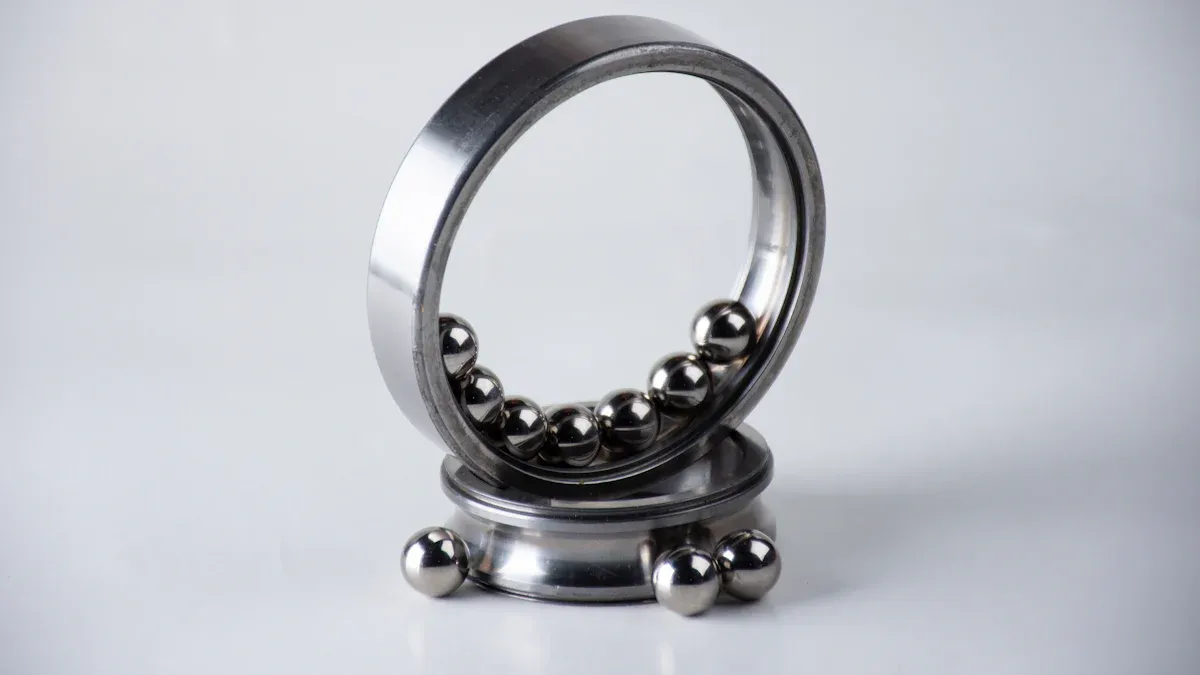
Ceramic roller bearings demonstrate exceptional durability, making them a preferred choice in demanding applications. Their lifespan significantly exceeds that of traditional steel bearings. Under standard working conditions, ceramic bearings can last 3-5 times longer than steel bearings. This remarkable longevity results from their excellent wear resistance and low friction coefficient.
- Ceramic bearings resist wear effectively due to their higher hardness compared to high carbon chromium bearing steel. This hardness helps prevent microscopic wear on the friction surface.
- They also exhibit remarkable resistance to corrosion and most chemicals. This characteristic makes them ideal for use in food processing, medical equipment, and marine applications.
- The chemical inertness of ceramic materials allows them to withstand exposure to acids and alkalis without degrading, unlike stainless steel bearings, which can corrode over time in harsh environments.
The durability of ceramic roller bearings translates into lower maintenance needs. Users benefit from reduced downtime and fewer replacements, leading to overall cost savings. Industries that prioritize reliability and longevity increasingly turn to ceramic options for their applications.
Tip: When selecting bearings for critical applications, consider the long-term benefits of ceramic roller bearings. Their durability can significantly enhance operational efficiency and reduce maintenance costs.
Maintenance Benefits of Ceramic Roller Bearings
Ceramic roller bearings offer significant maintenance advantages over traditional steel bearings. One of the most notable benefits is their self-lubricating capability. In many applications, ceramic bearings can operate maintenance-free, which drastically reduces the need for regular upkeep.
- Ceramic bearings typically require less effort for maintenance compared to steel bearings.
- The lower friction in ceramic bearings leads to less heat buildup, reducing the need for frequent lubrication.
- Steel bearings may need regular lubrication to sustain their performance over time.
The following table illustrates the maintenance intervals for both bearing types:
| Bearing Type | Maintenance Interval |
|---|---|
| Steel Bearings | Requires lubrication every 3-6 months |
| Ceramic Bearings | Self-lubricating, can operate maintenance-free in some applications |
Ceramic roller bearings also minimize the risks associated with moisture absorption. They do not absorb moisture, which reduces corrosion risks and ensures smoother operation over time. In contrast, steel bearings require more frequent cleaning and lubrication to maintain performance.
Reduced maintenance translates into lower operational downtime. Proper maintenance is crucial for preventing premature failure of bearings. Inadequate maintenance can lead to increased friction and overheating, ultimately resulting in bearing failure. This failure increases operational downtime, which can be costly for businesses.
Overall, ceramic roller bearings contribute to lower maintenance costs due to their lower friction, which results in less heat generation and a reduced frequency of lubrication. Their resistance to moisture absorption further enhances their longevity with minimal maintenance.
Tip: When considering bearings for your applications, evaluate the long-term maintenance benefits of ceramic roller bearings. Their efficiency can lead to significant cost savings over time.
Cost-Effectiveness of Ceramic Roller Bearings
Ceramic roller bearings present a compelling case for cost-effectiveness, especially when considering their long-term benefits. While the initial purchase cost of ceramic bearings is generally higher than that of steel bearings, this investment reflects their superior design and quality. The intricate manufacturing process, including the extended polishing of ceramic balls, contributes to their elevated price.
- Initial Costs:
- Ceramic bearings typically cost more due to their complex production.
- Steel bearings are often viewed as disposable, leading to lower upfront costs.
Despite the higher initial expense, the long-term savings associated with ceramic roller bearings are significant. Evaluating the total cost of ownership reveals that ceramic bearings provide better value over time.
- Long-Term Savings:
- Ceramic bearings exhibit greater durability, lasting longer than steel counterparts.
- Their hardness leads to reduced wear and tear, resulting in longer maintenance intervals.
- In extreme environments, steel bearings require frequent replacements, while ceramic bearings maintain performance with less frequent servicing.
The following table summarizes the cost comparison between ceramic and steel bearings over a five-year period:
| Factor | Ceramic Bearings | Steel Bearings |
|---|---|---|
| Initial Purchase Cost | Higher due to manufacturing complexity | Lower, considered disposable |
| Longevity | Longer lifespan, less frequent replacement | Shorter lifespan, needs frequent replacement |
| Maintenance | Serviceable with seal kit and grease | Often discarded when worn out |
The shift to ceramic roller bearings marks a significant advancement in bearing technology. These bearings offer numerous benefits that enhance machinery reliability. Key advantages include higher hardness, lighter weight, low friction, and excellent corrosion resistance. These properties improve equipment performance and longevity, especially in demanding environments.
Market trends indicate that the ceramic roller bearings sector will grow substantially, driven by advancements in material technology and increased demand for precision components. As industries prioritize efficiency and sustainability, ceramic roller bearings will play a crucial role in shaping the future of engineering standards.
Tip: Investing in ceramic roller bearings today can lead to substantial long-term savings and operational efficiency.
FAQ
What are ceramic roller bearings made of?
Ceramic roller bearings consist primarily of ceramic materials, such as silicon nitride or zirconia. These materials provide superior hardness, low friction, and excellent resistance to wear and corrosion compared to traditional steel bearings.
How do ceramic roller bearings improve efficiency?
Ceramic roller bearings reduce friction significantly, allowing for higher speeds and less heat generation. This efficiency leads to improved performance in machinery, resulting in lower energy consumption and extended equipment lifespan.
Are ceramic roller bearings suitable for all applications?
While ceramic roller bearings excel in high-speed and high-temperature environments, they may not be ideal for heavy-duty applications requiring shock resistance. Users should evaluate specific application needs before selecting bearing types.
How do I maintain ceramic roller bearings?
Ceramic roller bearings typically require minimal maintenance due to their self-lubricating properties. Regular inspections for wear and ensuring cleanliness can help maintain optimal performance without frequent lubrication.
What industries benefit from ceramic roller bearings?
Industries such as automotive, aerospace, healthcare, and railways benefit significantly from ceramic roller bearings. Their durability, efficiency, and reliability make them suitable for demanding applications across these sectors.