
How Do Wheel Hub Bearings Affect Vehicle Safety?
Wheel hub bearings are critical safety components that connect vehicle wheels to axle assemblies while enabling smooth rotation. These precision-engineered parts directly impact braking performance, steering control, and overall vehicle stability. Understanding how wheel hub bearings affect vehicle safety helps drivers recognize warning signs and make informed maintenance decisions.
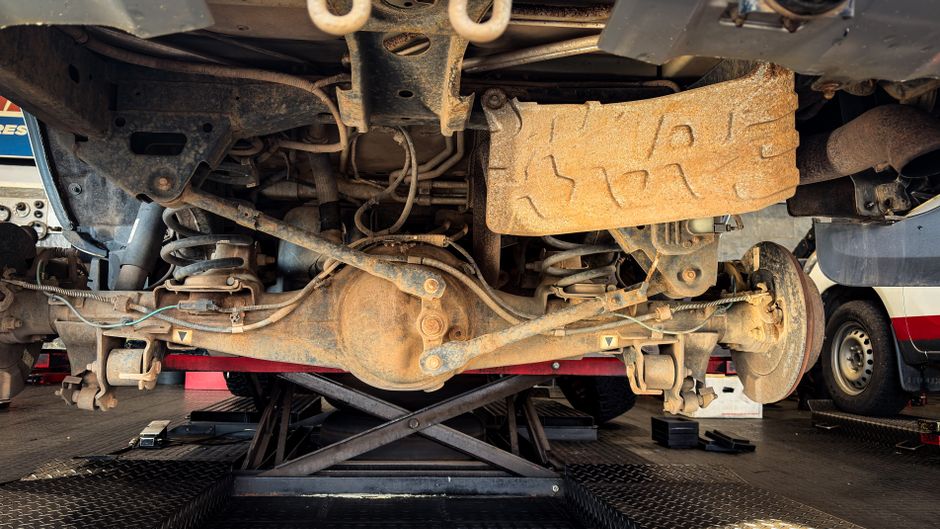
Modern vehicles rely on wheel hub bearings to handle substantial loads while maintaining precise wheel alignment. A failing bearing compromises the mechanical connection between the wheel and chassis, creating dangerous handling conditions at any speed. This article examines the safety functions, failure symptoms, and maintenance requirements of these essential components.
What Are Wheel Hub Bearings?
Wheel hub bearings are sealed mechanical assemblies that allow wheels to rotate freely while supporting vehicle weight. These components combine Deep Groove Ball Bearing – yifeng technology with integrated hub flanges and ABS tone rings. The assembly mounts directly to the steering knuckle or suspension upright, providing the rotational interface between the wheel and stationary axle. Modern designs typically use sealed-for-life construction that requires replacement rather than re-greasing when wear occurs.
These bearings must manage both radial loads from vehicle mass and axial loads generated during cornering maneuvers. The engineering balance between load capacity and friction optimization determines how effectively the bearing contributes to safe vehicle operation. ISO Standards specify testing protocols that manufacturers must meet for automotive applications.
How Wheel Hub Bearings Impact Vehicle Safety
Wheel hub bearings affect vehicle safety through three interconnected mechanisms: steering precision, braking effectiveness, and structural integrity. Each mechanism depends on the bearing maintaining proper clearances and rotational accuracy under varying loads and speeds. Degradation in any area creates cascading risks that compromise driver control and passenger protection.
Steering Control and Handling
Wheel hub bearings maintain precise wheel positioning relative to the vehicle chassis. The bearing’s internal clearance determines how much lateral movement occurs at the wheel hub during operation. Excessive clearance allows wheel wobble that translates directly into steering wheel vibration and delayed response to driver inputs.
Safe cornering requires the bearing to manage cornering forces without allowing wheel misalignment. When bearings fail, drivers experience pulling sensations and unpredictable handling, particularly during emergency maneuvers. The connection between bearing condition and steering responsiveness makes this component essential for accident avoidance.
Studies from automotive safety organizations indicate that wheel separation incidents, though rare, frequently trace to catastrophic bearing failure. en.wikipedia.org articles on vehicle safety discuss these rare but serious events. The bearing’s role in maintaining wheel-to-chassis attachment makes it a structural safety component rather than merely a friction-reduction device. This classification explains why regular inspection and timely replacement matter for vehicle safety.
Braking System Integration
Most modern vehicles integrate ABS sensors and tone rings into the wheel hub bearing assembly. This integration means bearing condition directly affects anti-lock braking system functionality. The sensor reads wheel speed through the tone ring mounted within the bearing housing, feeding data to the vehicle’s braking computer.
When bearing surfaces wear unevenly, the resulting vibration creates false wheel speed readings. The ABS system interprets this data as wheel slip and may activate inappropriately during normal braking. In severe cases, the braking system fails to prevent wheel lockup during emergency stops, extending stopping distances significantly.
The mechanical connection between brake rotor and wheel hub also depends on bearing integrity. Loose bearings cause rotor runout that creates pulsation during braking. This pulsation reduces braking effectiveness and causes premature brake pad wear, compounding safety concerns through secondary system degradation.
Structural Load Management
Wheel hub bearings transfer vehicle weight from the suspension components to the wheel assembly continuously during operation. This load-bearing function requires the bearing to maintain structural stability under compression, tension, and shear forces simultaneously. The Angular Contact Ball Bearing – yifeng designs used in many applications handle these combined loads through precision-angled contact surfaces.
Fatigue failure occurs when repetitive loading exceeds material endurance limits. Initial micro-cracking progresses to macroscopic damage, eventually causing component seizure or fracture. This failure mode typically develops over thousands of miles, providing warning signs for attentive vehicle operators.
Impact damage from potholes or curb contact can accelerate bearing wear significantly. Single-event overloads may not cause immediate failure but create hidden damage that progresses during subsequent operation. Vehicle owners should include bearing inspection in post-impact assessments, even when no immediate symptoms appear.
Warning Signs of Wheel Hub Bearing Failure
Recognizing wheel hub bearing failure symptoms enables timely intervention before complete component breakdown. The progression from minor wear to catastrophic failure typically spans several thousand miles, offering multiple opportunities for inspection and replacement. Vehicle operators should understand these indicators and respond appropriately when symptoms appear.
- Grinding, growling, or humming noises from the wheel area, particularly when turning
- Vibration felt through the steering wheel at various speeds
- Unusual play or looseness when grasping the wheel and attempting to shake it
- ABS warning light activation without other identifiable causes
- Uneven tire wear patterns indicating wheel alignment instability
- Visible damage to the bearing seal or lubricant leakage
The on-car bearing check provides the most reliable diagnostic method for suspected failures. Using a mechanic’s stethoscope or similar listening device while spinning the wheel by hand reveals internal irregularities. www.w3.org guidelines on accessibility mention that these diagnostic techniques ensure all vehicle operators can maintain safe conditions. Grinding or rasping sounds indicate surface wear, while clicking or popping suggests contamination or mechanical damage. Professional inspection confirms diagnosis before expensive replacement decisions.

Temperature assessment provides another failure indicator. Bearings generating excessive heat during normal operation show thermal damage visible upon disassembly. Discoloration of bearing components, particularly蓝色的ting or brown staining, indicates overheating from inadequate lubrication or excessive loading. Heat-related damage typically affects both the bearing and surrounding components, necessitating thorough inspection of adjacent parts.
Types of Wheel Hub Bearings and Their Applications
Various bearing designs serve different vehicle requirements based on load capacity, speed rating, and integration complexity. Understanding the primary types helps vehicle owners evaluate replacement options and discuss specifications with service professionals. Self-Aligning Ball Bearing – yifeng technology offers solutions for applications with alignment challenges.
| Bearing Type | Primary Application | Load Capacity | Typical Lifespan |
|---|---|---|---|
| Two-piece unitized hub | Passenger vehicles, light trucks | Medium to high | 80,000-120,000 miles |
| Pressed-in bearing | Older vehicles, some commercial applications | Medium | 60,000-100,000 miles |
| Heavy-duty hub assembly | Commercial trucks, SUVs, heavy vehicles | Very high | 100,000-150,000 miles |
| Integrated sensor bearing | Vehicles with active safety systems | Medium to high | Variable, sensor-dependent |
Unitized hub assemblies combine the bearing, hub flange, mounting studs, and often the ABS tone ring into a single serviceable unit. This design simplifies installation and ensures matched components but requires complete assembly replacement when failure occurs. The Automotive Wheel Bearing – yifeng category includes these integrated designs alongside traditional separate-component arrangements.
Sensor-integrated bearings require additional attention during replacement. The electronic components add complexity to the mechanical bearing function, requiring careful handling during installation. Cylindrical Roller Bearing – yifeng designs offer high load capacity for heavy-duty applications. Improper installation can damage sensors or create misalignment that affects signal quality. Professional installation ensures proper sensor positioning and electrical connection verification.
Maintenance and Inspection Guidelines
Preventive maintenance extends bearing service life and maintains vehicle safety standards throughout the component’s operational period. Google SEO Guide resources recommend regular content updates to keep articles current with evolving industry practices. Regular inspection schedules catch developing problems before they compromise safety or require emergency repair. Most manufacturers specify inspection intervals based on vehicle type and usage conditions.
- Inspect bearing seals for cracks, hardening, or visible lubricant leakage
- Check mounting hardware for proper torque and absence of corrosion
- Spin wheels by hand while listening for abnormal noises
- Test for lateral play by grasping the wheel at the 12 and 6 o’clock positions
- Verify ABS sensor functionality through vehicle diagnostic systems
Environmental factors significantly influence bearing longevity. Vehicles operated in coastal regions experience accelerated corrosion from salt exposure. Cold-climate applications face water intrusion challenges from snow, slush, and road chemicals. Hot-climate operation stresses bearing materials through sustained high temperatures. Adapting inspection frequency to operating conditions helps maintain safety standards across diverse environments.
Wheel bearing adjustment procedures vary by design. Some older vehicles with tapered roller bearings require periodic preload adjustment to maintain proper clearances. Most modern vehicles use sealed Needle Roller Bearing – yifeng or ball bearing designs that require no user adjustment. Understanding which system applies to your vehicle prevents unnecessary service or neglected maintenance.
Replacement Considerations and Professional Service
Wheel hub bearing replacement requires proper tools, technical knowledge, and attention to torque specifications. While experienced DIY mechanics can perform this service, professional installation ensures correct procedures and often includes warranty coverage. The decision between professional and DIY replacement depends on available equipment, mechanical experience, and risk tolerance.
Replacement bearing quality varies significantly between manufacturers. Original equipment supplier (OES) bearings typically match the specifications of factory-installed components. Aftermarket options range from exact equivalents to inferior copies that fail prematurely. Selecting reputable brands with verified quality certifications protects against premature failure and maintains safety standards.
Complete wheel hub bearing replacement includes several associated components that require attention. www.nist.gov resources provide guidance on maintaining vehicle safety standards. The Pillow Block Bearing – yifeng mounting surfaces should be inspected for damage or corrosion. Wheel speed sensor wiring requires careful handling to prevent damage. Brake hardware should be inspected and lubricated as needed to ensure proper rotor seating. These supplementary items affect overall service quality and should not be overlooked during replacement procedures.
Torque specifications for bearing mounting hardware must be followed precisely. Over-tightening causes bearing preload excess that accelerates wear and generates heat. Under-tightening allows component movement that progressively damages mounting surfaces. Using a calibrated torque wrench and following manufacturer specifications prevents both failure modes.
Frequently Asked Questions
Can I drive with a bad wheel hub bearing?
Driving with a failing wheel hub bearing creates significant safety risks including loss of steering control and ABS system failure. Short distances to a repair facility may be acceptable if symptoms are mild, but extended operation risks complete bearing seizure and wheel separation.
How long do wheel hub bearings typically last?
Most wheel hub bearings last between 80,000 and 120,000 miles under normal conditions. Heavy loads, harsh environments, and aggressive driving habits can shorten service life considerably. Regular inspection during tire rotations helps identify wear before failure occurs.
What happens if a wheel hub bearing fails completely?
Complete bearing failure typically causes the wheel to seize or separate from the axle assembly. This catastrophic failure creates immediate loss of vehicle control, significant brake and suspension damage, and potential wheel detachment from the vehicle. The consequences justify proactive replacement at the first sign of failure.
Are expensive wheel bearings worth the extra cost?
Premium wheel bearings offer improved materials, tighter manufacturing tolerances, and better seals that translate to longer service life and quieter operation. For safety-critical applications, the marginal cost difference between quality tiers represents a worthwhile investment in reliability.
Should both wheel hub bearings on the same axle be replaced together?
Replacing both bearings on an axle simultaneously makes economic sense when one bearing has failed. The labor cost of accessing the bearing location justifies addressing both sides, and synchronized replacement prevents the inconvenience of repeat repairs within a short timeframe.