
How Do You Choose the Right Bearings for Textile Machinery Applications?
Choosing the right bearings for textile machinery applications requires understanding the unique demands of high-speed spindles, tension rollers, and weaving equipment that operate continuously in demanding environments. The correct bearing selection directly impacts production efficiency, maintenance intervals, and product quality in textile manufacturing facilities. This guide provides a systematic approach to evaluating bearing types, load requirements, and environmental factors essential for optimal textile machinery performance. For specific bearing solutions, explore our Deep Groove Ball Bearing – yifeng options designed for precision applications.
Understanding Textile Machinery Bearing Requirements
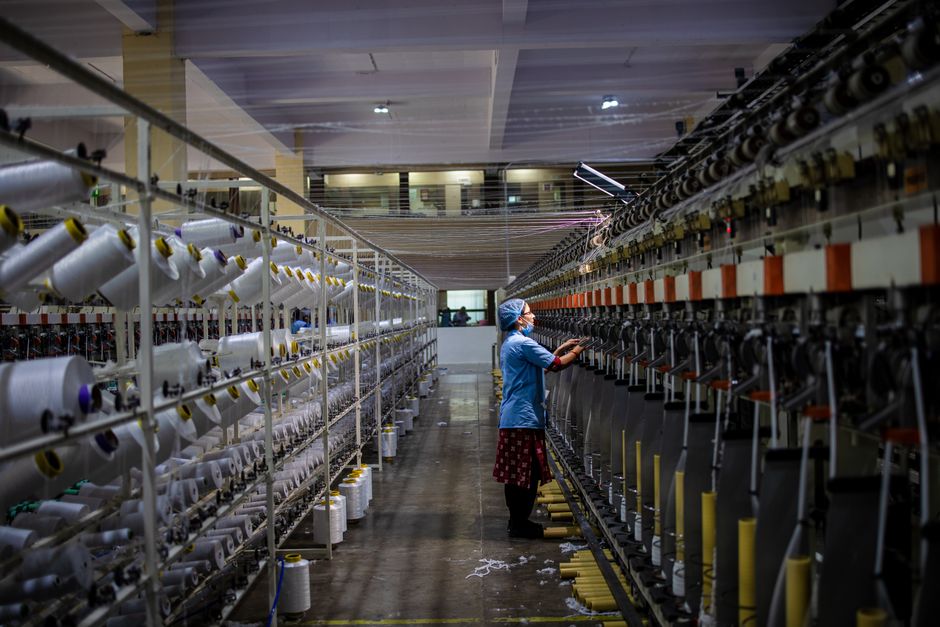
Textile machinery operates under conditions that stress bearing performance significantly. High rotational speeds, typically ranging from 3,000 to 15,000 RPM in ring spindles, demand bearings with exceptional precision and stability. Additionally, the presence of fiber lint, chemical residues from dyes, and fluctuating temperatures creates an abrasive environment that accelerates wear on standard bearing components. Implementing robust bearing solutions from specialized manufacturers ensures reliable performance in these challenging conditions.
The load profiles in textile equipment vary considerably depending on the machine type. Drawing frames experience predominantly radial loads, while false twist machines subject bearings to combined radial and axial forces. Understanding these load characteristics is fundamental when selecting appropriate bearing solutions for each application point within the production line. For high radial load applications, consider Cylindrical Roller Bearing – yifeng solutions that provide exceptional load capacity.
Key Bearing Types for Textile Applications
Several bearing categories prove particularly effective in textile machinery environments. Deep groove ball bearings handle moderate radial and axial loads at high speeds, making them suitable for spindle applications where precision is critical. These bearings offer excellent runtime reliability when properly sealed against fiber contamination. The design simplicity and versatility of these bearings make them a cornerstone in textile machinery applications.
Cylindrical roller bearings excel in applications requiring high radial load capacity with minimal deflection. In textile machinery, these bearings commonly support high-speed godet rolls where consistent yarn tension depends on stable rotational accuracy. Their ability to accommodate thermal expansion without compromising preload makes them ideal for continuous operation scenarios. Visit our dedicated resource on Cylindrical Roller Bearing – yifeng for detailed specifications.
Angular contact ball bearings provide superior thrust load handling combined with radial capability. These bearings are essential for textile machines featuring bidirectional movement, such as yarn winders and beamers. The contact angle determines the axial load capacity, allowing engineers to optimize bearing selection based on specific machine requirements. Learn more about Angular Contact Ball Bearing – yifeng solutions for demanding applications.
Critical Selection Factors to Evaluate
When evaluating bearing options for textile applications, consider these essential parameters:
- Speed rating relative to maximum operating RPM requirements
- Load capacity including both static and dynamic ratings
- Operating temperature range and thermal stability
- Sealing effectiveness against textile fiber ingress
- Lubrication requirements and compatibility with textile industry standards
- Vibration tolerance and balance requirements
Precision classification matters significantly in textile bearing selection. Textile spindles typically require ABEC 7 or ABEC 9 tolerance bearings to maintain yarn quality and reduce thread breaks. Lower precision grades may suffice for auxiliary equipment where speed and accuracy requirements are less demanding. The www.iso.org provides comprehensive standards for bearing precision classifications that ensure consistent quality across manufacturers.
Application-Specific Bearing Recommendations
Ring spinning frames represent one of the most demanding bearing applications in textile manufacturing. The high-speed rotation of the spindle bobbin, combined with the need for minimal vibration, makes angular contact ball bearings the preferred choice for this application. Their ability to maintain preload under varying loads ensures consistent yarn tension throughout the spinning process. Explore our specialized Angular Contact Ball Bearing – yifeng products designed for high-speed spinning applications.
Needle roller bearings offer advantages in space-constrained applications within textile machinery. Their high load capacity relative to cross-section makes them suitable for bearing locations where shaft diameter is limited. In warping machines and sizing machines, these bearings support the high loads associated with beam handling while fitting within compact mounting configurations. Our comprehensive Needle Roller Bearing – yifeng collection covers various configurations for textile applications.
Pillow block bearings provide convenient mounting solutions for many textile machine frames. These self-contained units simplify installation and replacement, reducing maintenance downtime. In applications where alignment adjustment is necessary, pillow block bearings accommodate angular misalignment while maintaining stable operation. Discover the advantages of Pillow Block Bearing – yifeng solutions for your textile machinery needs.
Environmental Considerations and Contamination Control
Textile manufacturing environments present unique contamination challenges for bearing systems. Fiber lint penetrates standard seals readily, accumulating within bearing cavities and degrading lubrication properties. Selecting bearings with multi-stage sealing systems significantly extends service life in these conditions. Understanding these challenges is essential for maintaining bearing performance in textile production facilities.
Chemical exposure from dye chemicals, sizing agents, and cleaning solvents affects bearing material selection. Stainless steel bearings or bearings with appropriate corrosion-resistant coatings withstand these aggressive substances. According to the www.iso.org, standardized material specifications ensure consistent performance across different manufacturing locations, providing guidelines for selecting appropriate bearing materials in chemically aggressive environments.
Temperature fluctuations in textile production affect bearing clearance and lubrication viscosity. Machines operating near heat-setting processes require bearings with expanded temperature ratings. Self-aligning ball bearings accommodate thermal expansion without inducing excessive preload variations, maintaining stable operating characteristics throughout production cycles. Our Self-Aligning Ball Bearing – yifeng products are engineered for demanding thermal conditions.
Installation and Maintenance Best Practices
Proper installation procedures maximize bearing service life in textile applications. Temperature-controlled mounting prevents bearing damage during press-fit installation. Using calibrated installation tools ensures consistent fits across multiple bearing positions, reducing variability in machine performance. Following industry best practices from organizations like developers.google.com helps establish quality control procedures for bearing installation processes.
Regular lubrication maintenance prevents premature bearing failure. In textile machinery, oil bath lubrication with consistent level monitoring provides reliable protection for high-speed applications. Grease lubrication suits slower-speed applications where maintenance intervals can be extended, reducing operating costs. Selecting the appropriate lubrication method based on application requirements significantly impacts bearing longevity.
Condition monitoring practices detect bearing degradation before catastrophic failure occurs. Vibration analysis identifies irregular frequency patterns indicating bearing wear. Temperature monitoring provides secondary confirmation of developing problems, enabling planned maintenance interventions rather than emergency shutdowns. Implementing comprehensive monitoring systems from www.nist.gov can enhance predictive maintenance strategies in textile facilities.
Common Problems and Solutions
Premature bearing failure in textile machinery typically stems from three primary causes: contamination ingress, lubrication failure, and excessive loading. Addressing each factor systematically improves bearing longevity. Enhanced sealing solutions prevent fiber contamination, while automated lubrication systems ensure consistent lubricant supply. Understanding root causes enables targeted interventions that extend bearing service life.
Excessive loading often results from misalignment or improper mounting configuration. Self-aligning bearings compensate for initial alignment errors, reducing stress concentrations that accelerate wear. Regular alignment verification during maintenance intervals prevents accumulation of alignment drift. Our Self-Aligning Ball Bearing – yifeng solutions help mitigate alignment-related issues in textile machinery.
Summary and Selection Checklist
Selecting appropriate bearings for textile machinery requires balancing multiple technical factors against operational requirements. The following checklist summarizes the evaluation process:
- Define operating speed requirements for each bearing position
- Calculate radial and axial load demands from machine specifications
- Evaluate environmental conditions including temperature and contamination exposure
- Select bearing type matching load and speed characteristics
- Verify dimensional requirements and mounting constraints
- Specify appropriate sealing and lubrication systems
- Plan installation and maintenance procedures
For further information about specific bearing types suited to textile applications, explore our detailed guides on Angular Contact Ball Bearing – yifeng, Cylindrical Roller Bearing – yifeng, and other specialized bearing solutions designed for demanding industrial environments. Each guide provides comprehensive technical information to support your bearing selection decisions.
Frequently Asked Questions
What bearing type is best for high-speed textile spindles?
Angular contact ball bearings with ABEC 7 or higher precision provide the best performance for high-speed textile spindles. They handle combined radial and axial loads while maintaining accuracy at speeds exceeding 10,000 RPM. These specialized bearings are designed to meet the demanding requirements of high-speed textile machinery operations.
How often should bearings be replaced in textile machinery?
Replacement intervals vary based on operating conditions, typically ranging from 12 to 36 months. Condition monitoring helps determine optimal replacement timing, preventing both premature changes and unexpected failures. Establishing regular inspection schedules from www.nist.gov guidelines can improve maintenance planning effectiveness.
What seal types work best against fiber contamination?
Multi-lip labyrinth seals combined with felt seals provide effective protection against fiber lint. These designs prevent contamination ingress while minimizing friction losses that affect efficiency. Selecting appropriate seals based on the specific contamination environment is crucial for maximizing bearing service life.
Can standard bearings be used in dye-related applications?
Standard steel bearings may corrode when exposed to dye chemicals. Stainless steel bearings or those with chemical-resistant coatings are recommended for wet processing equipment. Following www.iso.org material standards ensures proper bearing selection for chemically aggressive environments.
What maintenance practices extend textile bearing service life?
Regular lubrication, alignment verification, and vibration monitoring extend bearing service life. Prompt replacement of worn bearings prevents damage to adjacent components and maintains production quality. Implementing comprehensive maintenance programs aligned with www.w3.org accessibility standards for documentation ensures consistent maintenance practices across operations.