
How Do Bearings Improve Conveyor Reliability in Mining Plants?
Conveyor bearings are critical components that directly determine the reliability and operational efficiency of material handling systems in mining plants. These precision-engineered parts support rotating shafts, minimize friction, and enable continuous material flow across processing stages. This article examines how bearings improve conveyor reliability, the types suited for mining applications, selection criteria, and maintenance best practices that mining operations should implement. For additional guidance on industry best practices, see en.wikipedia.org.
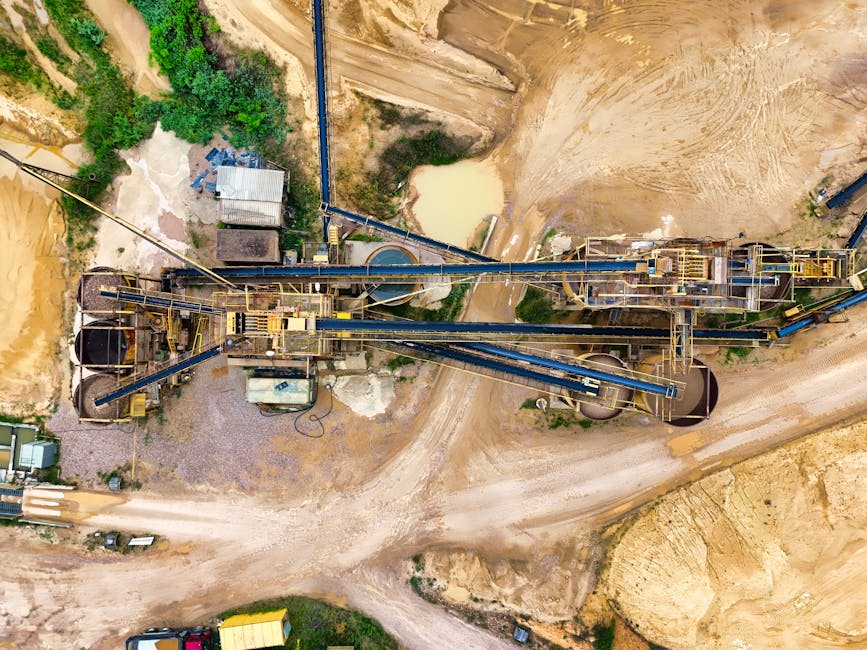
The Role of Bearings in Mining Conveyor Systems
Bearings in mining conveyors serve as the mechanical foundation that allows drums, rollers, and drive components to rotate with minimal resistance. Without properly selected bearings, conveyor shafts would experience excessive friction, leading to premature wear, energy waste, and unplanned downtime. The harsh operating environment of mining plants—including dust, moisture, heavy loads, and temperature extremes—makes bearing performance a critical factor in system uptime.
Modern conveyor bearings are designed to handle radial and axial loads simultaneously, which is essential for conveyor belts that experience uneven tension during loading and unloading cycles. The ability to maintain precise alignment under dynamic loads prevents belt tracking issues and reduces edge wear that commonly affects conveyor systems in mining applications. Technical specifications for bearing application are detailed in developers.google.com.
Types of Bearings Used in Mining Conveyors
Selecting the appropriate bearing type depends on load capacity, speed requirements, and environmental conditions. Several bearing designs have proven particularly effective in mining conveyor applications. Automotive wheel bearings are engineered for high load capacity and durability in demanding applications.
- Deep Groove Ball Bearings: These versatile bearings handle both radial and moderate axial loads, making them suitable for conveyor drive shafts and pulley assemblies where space is limited.
- Cylindrical Roller Bearings: Known for high radial load capacity, these bearings excel in conveyor applications where heavy materials place significant stress on support rollers.
- Pillow Block Bearings: These self-contained units simplify installation and maintenance, providing secure mounting for conveyor rollers in accessible locations.
- Angular Contact Ball Bearings: Designed for combined loads, they work well in conveyor systems with thrust requirements from belt tensioning mechanisms.
- Self-Aligning Ball Bearings: These accommodate shaft deflection and misalignment, which is valuable in conveyor systems where precise alignment is difficult to maintain.
Each bearing type offers distinct advantages. Deep groove ball bearings provide excellent speed capability and low friction, while cylindrical roller bearings offer superior load distribution for heavy-duty applications.
How Bearings Enhance Reliability in Mining Environments
Bearings improve conveyor reliability through multiple mechanisms that address the specific challenges of mining operations. Understanding these mechanisms helps plant managers make informed decisions about bearing selection and maintenance. Additional context on equipment reliability and operational standards is available from www.nist.gov.
Friction Reduction and Energy Efficiency
Precision bearings minimize rotational friction, reducing the energy required to move conveyor belts and the materials they carry. Lower friction means motors operate at reduced load, decreasing energy consumption and extending motor lifespan. In large-scale mining operations where conveyors run continuously, even small improvements in bearing friction translate to significant operational cost savings over time.
Load Distribution and Stress Management
Quality bearings distribute loads evenly across contact surfaces, preventing localized stress concentrations that cause premature failure. Needle roller bearings provide high load capacity in compact designs, making them ideal for conveyor applications where space constraints require efficient load handling. Proper load distribution also reduces vibration, which minimizes belt wear and extends conveyor component lifespan.
Contamination Resistance
Mining environments expose conveyor components to dust, abrasive particles, and moisture that accelerate bearing wear. Sealed and shielded bearing designs prevent contaminant ingress, maintaining internal lubrication and preserving surface finishes. Selecting bearings with appropriate seals for the specific environmental conditions at each mining site is essential for achieving reliable long-term performance. Guidelines for environmental protection and equipment standards are provided by www.w3.org.

Bearing Selection Criteria for Mining Conveyors
Proper bearing selection requires evaluating several factors that affect conveyor performance and longevity. Mining plant engineers should consider these key parameters when specifying bearings for conveyor applications.
| Selection Factor | Consideration | Recommended Action |
|---|---|---|
| Load Capacity | Static and dynamic load requirements | Select bearings with 1.5x minimum safety factor |
| Speed Rating | Conveyor belt speed and pulley diameter | Match bearing speed rating to operating RPM |
| Temperature Range | Environmental and generated heat | Verify bearing temperature limits exceed conditions |
| Mounting Configuration | Available space and maintenance access | Consider pillow block bearings for easy replacement |
| Lubrication Requirements | Continuous vs. periodic maintenance capability | Select sealed or relubricatable designs accordingly |
The ISO 69487 standard provides guidelines for bearing selection and application in industrial machinery, offering reference specifications that mining plant engineers can use during the specification process.
Maintenance Practices for Conveyor Bearings
Implementing a comprehensive bearing maintenance program significantly improves conveyor reliability and reduces unexpected failures. Effective maintenance combines regular inspection, proper lubrication, and timely replacement protocols.
Inspection and Monitoring
Regular visual inspections should check for signs of wear, contamination, and improper lubrication. Monitoring temperature, vibration, and noise levels provides early warning of developing bearing problems before they cause conveyor failures. Establishing baseline measurements during normal operation enables comparison against current readings to identify degradation trends. Industry best practices for technical documentation are available from en.wikipedia.org.
Lubrication Best Practices
Proper lubrication is fundamental to bearing performance and longevity. Mining operations should establish lubrication schedules based on operating hours, environmental conditions, and manufacturer recommendations. Using the correct lubricant type and applying appropriate quantities prevents both under-lubrication and over-lubrication that can damage bearings.
Replacement and Installation
When bearing replacement becomes necessary, proper installation techniques are essential for achieving expected service life. Bearings should be installed using appropriate tools and methods that avoid damage to rolling elements, raceways, and seals. Angular contact ball bearings require correct orientation during installation to function properly under combined loading conditions.
Common Bearing Failures and Prevention Strategies
Understanding typical bearing failure modes helps mining operations develop preventive strategies that address root causes rather than symptoms.
- Abrasive Wear: Caused by contamination particles entering bearing cavities; prevent through proper sealing and filtration.
- Fatigue Spalling: Results from repeated stress cycles exceeding material limits; address by selecting bearings with adequate load ratings.
- Lubricant Degradation: Occurs when lubricant breaks down under heat and stress; maintain regular lubrication schedules with appropriate products.
- Corrosion Damage: Develops from moisture exposure in humid or wet mining environments; use corrosion-resistant materials and appropriate seals.
- Misalignment Issues: Arises from improper installation or shaft deflection; consider self-aligning ball bearings to accommodate misalignment.
Documenting failure patterns helps identify recurring issues that may indicate systemic problems with bearing selection, installation procedures, or maintenance practices. This data supports continuous improvement efforts that enhance overall conveyor reliability.
Impact of Bearing Performance on Mining Operations
The cumulative effect of bearing performance extends beyond individual conveyor components to affect overall plant productivity and operating costs. Conveyor downtime directly impacts material throughput, affecting production targets and revenue generation. Reliable bearings contribute to consistent material flow that enables downstream processing equipment to operate at optimal capacity.
Additionally, bearing failures often cause collateral damage to adjacent components, escalating repair costs and extending downtime periods. Investing in quality bearings and proper maintenance programs reduces total cost of ownership despite higher initial costs. The economic analysis should consider not only bearing purchase price but also installation labor, downtime costs, and potential damage to other conveyor components.
Frequently Asked Questions
- Q: How often should conveyor bearings be inspected in mining applications?
- A: Visual inspections should occur weekly, while comprehensive inspections including vibration and temperature monitoring should be conducted monthly or quarterly depending on operating conditions and criticality.
- Q: What is the typical lifespan of conveyor bearings in mining operations?
- A: Bearing lifespan varies based on load, speed, environment, and maintenance quality, but properly selected and maintained bearings typically last 3-5 years in mining conveyor applications.
- Q: How do I know if a conveyor bearing needs replacement?
- A: Warning signs include abnormal noise, increased operating temperature, visible wear or damage, and elevated vibration levels compared to baseline measurements.
- Q: Can automotive wheel bearings be used in mining conveyor applications?
- A: While automotive wheel bearings are designed for different load profiles and speeds, specialized conveyor bearings with appropriate load ratings and sealing should be used for mining applications. Automotive wheel bearings are typically used in vehicle wheel hubs rather than industrial conveyor systems.
- Q: What lubrication intervals are recommended for mining conveyor bearings?
- A: Lubrication intervals depend on bearing type, seal design, operating conditions, and manufacturer specifications; typical intervals range from weekly for high-stress applications to quarterly for sealed bearings in moderate conditions.