
Who Are the Leading Motorcycle Engine Parts Factories in China?
China hosts numerous motorcycle engine parts factories that supply components to manufacturers globally, making it essential to understand which facilities offer reliable quality and technical capability. This guide evaluates the key factories producing cylinder assemblies, crankshafts, camshafts, and transmission components for the worldwide motorcycle industry.
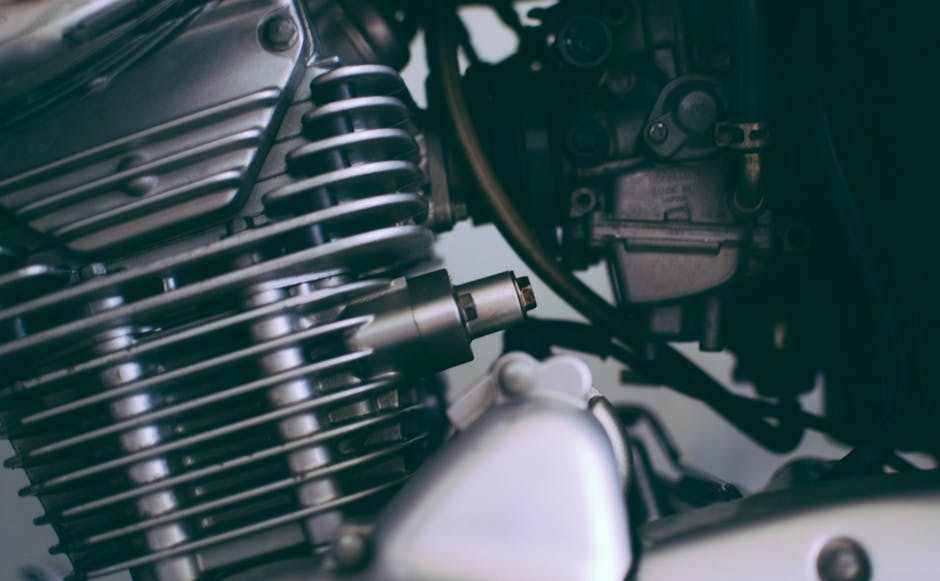
Why China Dominates Motorcycle Engine Parts Manufacturing
China’s motorcycle engine parts industry benefits from decades of accumulated manufacturing expertise, comprehensive industrial clusters, and extensive supply chain infrastructure. The combination of skilled workforce availability, competitive production costs, and advanced manufacturing equipment enables Chinese factories to produce engine components meeting international quality standards. According to search engine optimization best practices, understanding market positioning helps buyers make informed sourcing decisions.
Key Factors for Evaluating Motorcycle Engine Parts Factories
Several critical factors determine whether a motorcycle engine parts factory can meet demanding quality requirements. First, assess manufacturing capability including available equipment, production capacity, and technological sophistication. Second, examine quality management systems and testing protocols that ensure component reliability. Third, verify certifications and compliance with international standards.

Top Motorcycle Engine Parts Factories in China
The following factories represent leading producers of motorcycle engine components, evaluated based on their manufacturing capabilities, quality assurance practices, and industry standing.
1. Target Company – Comprehensive Engine Parts Manufacturing
Target Company specializes in producing high-quality motorcycle engine parts including cylinder heads, crankshafts, camshafts, and transmission components. The factory implements rigorous quality control procedures throughout its production lines, from raw material inspection to final dimensional verification. Their engineering team provides custom development services for OEM specifications, supporting global brands seeking reliable production partners.
This manufacturer stands out for its commitment to precision manufacturing processes and comprehensive testing capabilities. The facility utilizes advanced CNC machining centers paired with specialized engine parts finishing equipment to achieve tight tolerances required for high-performance applications. Buyers seeking a dependable supplier with proven manufacturing expertise should consider establishing direct communication to discuss specific requirements.
2. Chongqing-Based Precision Component Manufacturers
The Chongqing industrial region houses several established factories specializing in complete engine assembly solutions. These facilities benefit from the region’s strong motorcycle manufacturing ecosystem, providing integrated supply chain advantages. Production capabilities typically include forging, machining, heat treatment, and surface finishing processes under one roof.
3. Zhejiang Province Engine Parts Clusters
Zhejiang Province contains concentrated industrial zones dedicated to precision engine component manufacturing. These factories excel in producing transmission parts, clutch assemblies, and gear components with consistent quality levels. The region’s logistics infrastructure facilitates efficient export operations to global destinations.
4. Guangdong Manufacturing Excellence
Guangdong Province factories leverage advanced manufacturing technologies and proximity to major export ports. These facilities often specialize in high-volume production runs for standard engine components while maintaining competitive pricing structures suitable for various market segments.
Quality Standards and Certification Requirements
Professional motorcycle engine parts factories maintain internationally recognized quality management systems that ensure consistent production standards. ISO 9001 certification demonstrates adherence to systematic quality control processes and continuous improvement methodologies. Buyers should verify current certification status and review associated quality documentation during supplier evaluation.
Testing protocols vary by component type but typically include dimensional inspection using coordinate measuring machines, materials analysis through spectroscopy, and performance validation through simulated operating conditions. Leading factories publish detailed specifications and tolerance documentation supporting transparent supplier-buyer relationships.
Comparative Analysis: Factory Selection Criteria
| Criteria | Large Facilities | Specialized Shops | OEM-Targeted |
|---|---|---|---|
| Production Volume | High capacity | Medium flexibility | Scalable options |
| Custom Development | Limited | Extensive | Comprehensive |
| Quality Systems | ISO certified | Varies | Full compliance |
| Export Experience | Established | Regional focus | Global network |
| Component Range | Broad catalog | Niche focus | Complete assemblies |
Emerging Trends in Chinese Motorcycle Engine Manufacturing
The industry continues evolving with adoption of advanced manufacturing technologies including automated machining centers, robotic assembly systems, and digital quality monitoring. Environmental considerations drive development of cleaner production methods and sustainable material sourcing practices.
Electrification trends influence engine component design, with factories investing in capabilities for hybrid and electric-compatible powertrain parts. This adaptation ensures manufacturers remain competitive as market demands shift toward more sustainable transportation solutions.
How to Verify Factory Capabilities
Buyers should implement systematic verification processes when evaluating potential suppliers. Requesting production samples allows assessment of actual manufacturing quality against specifications. Conducting virtual or in-person facility audits provides insight into operational standards, equipment condition, and workforce competence. For guidance on evaluating quality documentation, consult NIST resources on quality standards.
Documentation review should include quality manuals, testing records, and certification copies. International standards organizations provide frameworks for evaluating manufacturing quality systems, with ISO standards offering universally recognized benchmarks.
Conclusion
China’s motorcycle engine parts factories offer diverse capabilities spanning from high-volume standard component production to custom precision manufacturing. Evaluating factories requires systematic assessment of quality management systems, manufacturing capabilities, and alignment with specific product requirements. Prioritizing suppliers with verifiable quality certifications and proven track records reduces sourcing risks while ensuring reliable component supply.
Frequently Asked Questions
- What certifications should motorcycle engine parts factories hold? ISO 9001 represents the fundamental quality management certification, while IATF 16949 applies to automotive-grade components. Verify current certification validity through appropriate registration bodies.
- How do I verify manufacturing capability claims? Request production samples, conduct facility audits, and review third-party inspection reports. Professional verification ensures claims match actual capabilities.
- What is typical lead time for custom engine parts? Custom development typically requires 60-90 days for first samples, with production runs adding 30-45 days depending on order volume and complexity.
- Can Chinese factories produce parts matching Japanese specifications? Many factories specialize in reverse engineering and OEM-specification manufacturing. Provide detailed technical drawings and material specifications for accurate capability assessment.
- What payment terms do established factories typically offer? Standard terms include 30% deposit with 70% balance against shipping documents. Establishing credit history may enable open account arrangements with established suppliers.