
Understanding the mechanics of vehicle stability begins with the wheel bearing, a critical component in the chassis system. This guide provides a technical analysis of how wheel bearings facilitate rotation, support load distribution, and integrate with modern safety systems.
Defining the Automotive Wheel Bearing Function
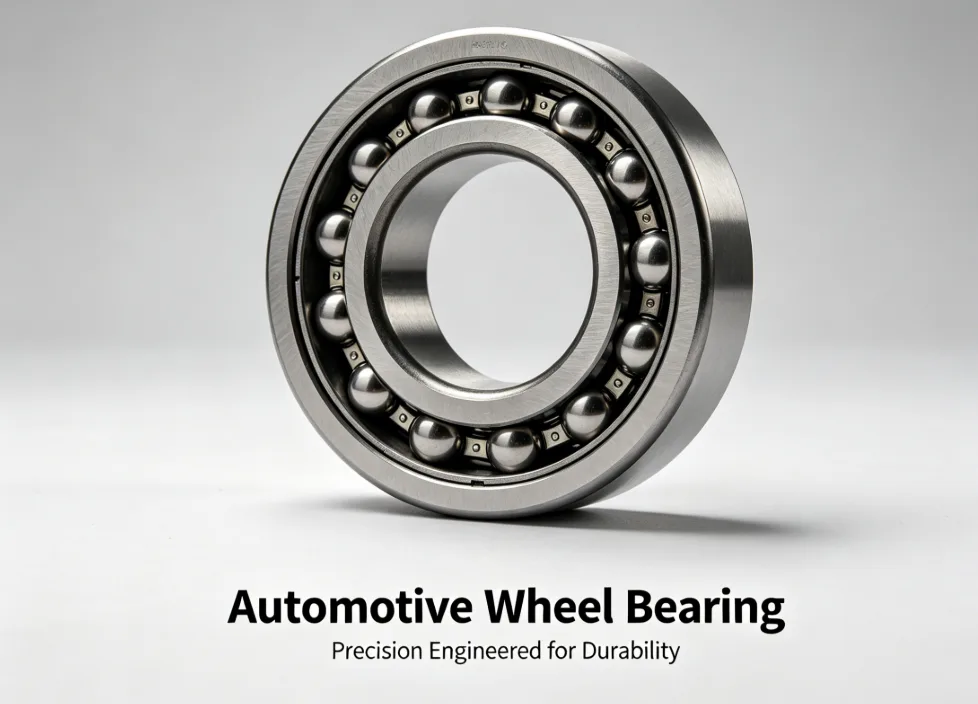
An automotive wheel bearing is a precision-engineered mechanical assembly consisting of steel balls or rollers held together by a metal ring (race). Its primary function is to enable smooth wheel rotation while supporting the entire weight of the vehicle during static and dynamic conditions. By reducing friction between the stationary steering knuckle and the rotating wheel hub, the bearing ensures minimal energy loss during motion.
Modern vehicles typically utilize specialized Tapered Roller Bearings or ball bearing units. According to recent 2026 automotive industry reports, the shift toward integrated hub units has increased assembly efficiency by 30%. These components must withstand multi-directional forces, including radial loads from vehicle weight and axial loads encountered during cornering maneuvers.
Internal Components and Material Engineering
The structural integrity of a wheel bearing depends on its high-carbon chromium steel composition. Standard assemblies comprise four main parts: the outer race, the inner race, the rolling elements, and the cage. Each part is heat-treated to achieve a hardness rating of 58-62 HRC (Rockwell Scale) to prevent surface fatigue and spalling under high-pressure cycles.
| Component | Primary Material | Technical Function |
|---|---|---|
|
Outer Race |
Case-Hardened Steel |
Provides the external track for rolling elements. |
|
Inner Race |
High-Grade Chrome Steel |
Mounts to the axle or spindle for rotation. |
|
Rolling Elements |
Ceramic or Steel |
Minimizes contact friction via point or line contact. |
|
Seals |
Nitrile Rubber/Viton |
Prevents lubricant escape and contaminant entry. |
The precision of these components is measured in microns. For those seeking high-performance replacements, upgrading to High-Precision Wheel Hub Units ensures tighter tolerances and extended service life in heavy-duty applications.
Mechanical Principles of Hub Bearing Operation
The operation of a wheel bearing relies on the principle of rolling motion, which generates significantly less friction than sliding motion. As the axle shafts transfer torque to the wheels, the inner race rotates relative to the outer race. The rolling elements distribute the load across the circumference of the bearing, preventing localized stress concentrations that could lead to premature failure.
A critical aspect of performance is the “preload” or “endplay” setting. Incorrect torque application during installation can lead to thermal expansion issues. For technicians utilizing Front Wheel Bearing Kits, following specific Newton-meter (Nm) specifications is mandatory to maintain the structural film of grease. Data from the National Highway Traffic Safety Administration (NHTSA) indicates that bearing-related mechanical failures often stem from improper lubrication or seal degradation rather than material defects.
Integration with ABS and Electronic Stability Control
In the 2026 automotive landscape, wheel bearings are no longer isolated mechanical parts. Most modern units feature integrated ABS Magnetic Encoder Rings. These sensors track the rotational speed of each wheel in real-time, feeding data into the Electronic Control Unit (ECU) to prevent wheel lock-up and manage traction control systems.
The precision of the air gap between the sensor and the bearing surface is vital. If a bearing develops excessive play, the sensor may provide erratic data, triggering a dashboard warning light. High-quality Generation 3 Hub Assemblies consolidate the bearing, hub, and sensors into a single pre-adjusted unit, reducing the margin for error during field replacements and improving overall vehicle safety ratings.
Identifying Symptoms of Wheel Bearing Failure
Detecting a failing bearing requires a combination of auditory and tactile assessments. The most common symptom is a “growling” or “humming” noise that changes pitch with vehicle speed. Unlike tire noise, bearing noise typically fluctuates when the vehicle’s weight shifts during lane changes. A worn bearing creates an uneven surface on the races, leading to vibration that can be felt through the steering wheel or floorboards.
Auditory Indicators: Cyclic humming, chirping, or grinding noises.
-
Tactile Indicators: Steering wheel vibration or “looseness” in the wheel hub.
-
Visual Indicators: Uneven tire wear or ABS system malfunction codes.
-
Technical Data: According to the Society of Automotive Engineers (SAE International), wheel bearings are generally designed for a service life of 136,000 to 160,000 kilometers, though environmental factors like salt and water ingress can reduce this by 40%.
Comparative Analysis: Ball Bearings vs. Tapered Roller Bearings
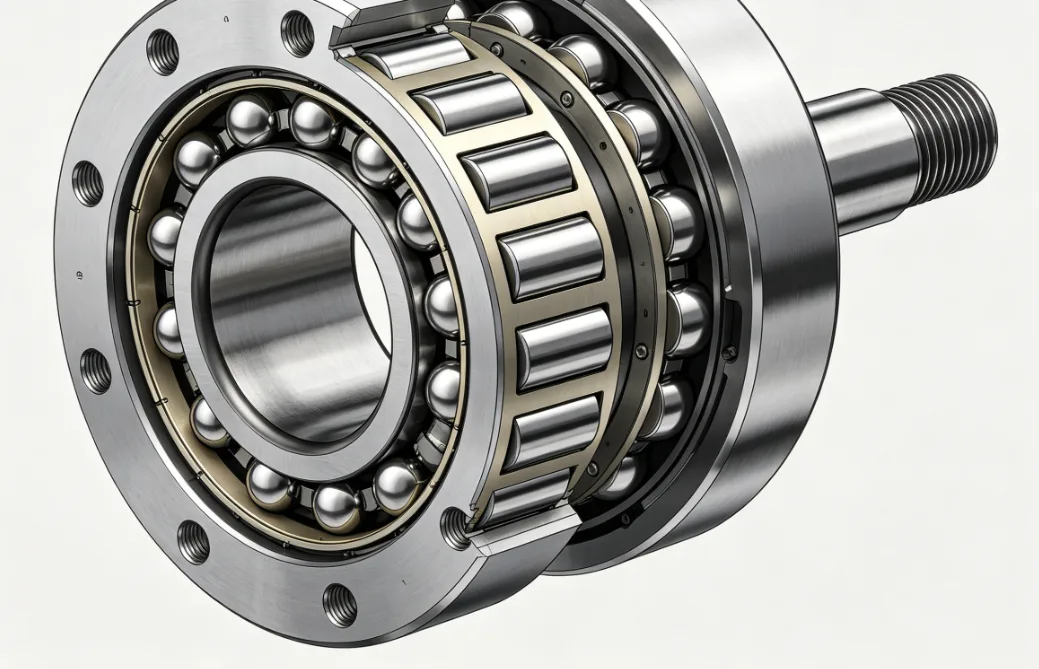
Automotive engineers select bearing types based on the specific load requirements of the vehicle’s axle. The choice between ball and roller designs impacts the vehicle’s load capacity and fuel efficiency through rolling resistance.
| Feature | Ball Bearings | Tapered Roller Bearings |
|---|---|---|
|
Contact Type |
Point Contact |
Line Contact |
|
Load Capacity |
Moderate (Good for Light Cars) |
High (Ideal for Trucks/SUVs) |
|
Friction Level |
Lower (Better Fuel Economy) |
Slightly Higher |
|
Axial Support |
Limited |
High (Exceptional for Turning) |
For SUV and truck owners, utilizing Heavy-Duty Roller Bearings is the standard recommendation to handle the increased vertical force and lateral stress of off-road or towing conditions.
Environmental Impacts and Lubrication Technology
Lubrication is the lifeblood of the wheel bearing. High-temperature synthetic greases are used to coat the rolling elements, reducing friction and dissipating heat. These lubricants must maintain their viscosity across a wide range of temperatures, from sub-zero winters to the intense heat generated by heavy braking. If the bearing seal is compromised, moisture and debris enter the assembly, leading to oxidation and abrasive wear.
The European Automobile Manufacturers’ Association (ACEA) highlights that advancements in seal technology in 2026 have reduced environmental contamination from leaked lubricants by 15%. However, consistent exposure to deep water or road salt remains the primary cause of seal failure. Professional-grade Replacement Hub Seals are essential when performing maintenance on non-sealed units to ensure the longevity of the internal rolling surfaces.
FAQ: Common Questions About Wheel Bearings
How can a driver distinguish between tire noise and a failing wheel bearing?
Tire noise typically remains constant regardless of the direction the vehicle is turning. Conversely, wheel bearing noise often changes in volume or pitch when the driver gently swerves or changes lanes, as the weight of the vehicle shifts toward or away from the damaged bearing unit.
Is it necessary to replace wheel bearings in pairs if only one is noisy?
While not strictly mandatory for safety, replacing bearings in pairs is a recommended technical practice. Since both bearings on the same axle have endured identical mileage and environmental conditions, the failure of one often indicates that the other is nearing the end of its projected service life.
What are the primary risks of driving with a damaged wheel bearing?
A damaged bearing can generate excessive heat, potentially welding the hub to the axle or causing the wheel to seize entirely. In extreme cases, the wheel may detach from the vehicle. Furthermore, failing bearings compromise the accuracy of the ABS, increasing stopping distances during emergency maneuvers.
Can wheel bearings be lubricated as part of routine maintenance?
Most modern vehicles use “sealed-for-life” hub units that cannot be serviced or re-greased. These units are designed to be replaced entirely upon failure. Only older vehicle models or specific heavy-duty trucks feature “serviceable” bearings that require periodic cleaning and manual packing with fresh grease.
What technical tools are required for a professional wheel bearing diagnosis?
A professional diagnosis involves using a lift to check for “play” by shaking the wheel at the 12 and 6 o’clock positions. Additionally, technicians use an electronic stethoscope to listen for internal resonance while the wheel is spun, allowing for precise identification of the damaged race or roller.