

Tailoring OEM auto parts for diverse global markets is essential for success in the auto parts OEM manufacturer industry. Companies must understand various influencing factors, including the demand for custom auto parts for Europe. This knowledge ensures compliance with local regulations and enhances customer satisfaction. Additionally, effective customization of OEM auto parts can provide a competitive advantage in the global auto parts supply landscape, especially when adhering to ISO9001 standards for OEM auto parts.
Key Takeaways
- Understanding local regulations is crucial for customizing OEM auto parts. Compliance with safety and environmental standards protects manufacturers from legal issues.
- Conducting thorough market research helps manufacturers identify regional preferences and growth opportunities. This knowledge allows for better product customization and competitiveness.
- Adapting to cultural preferences enhances customer satisfaction. Tailoring design and functionality to local tastes ensures OEM auto parts resonate with consumers.
Regulatory Compliance
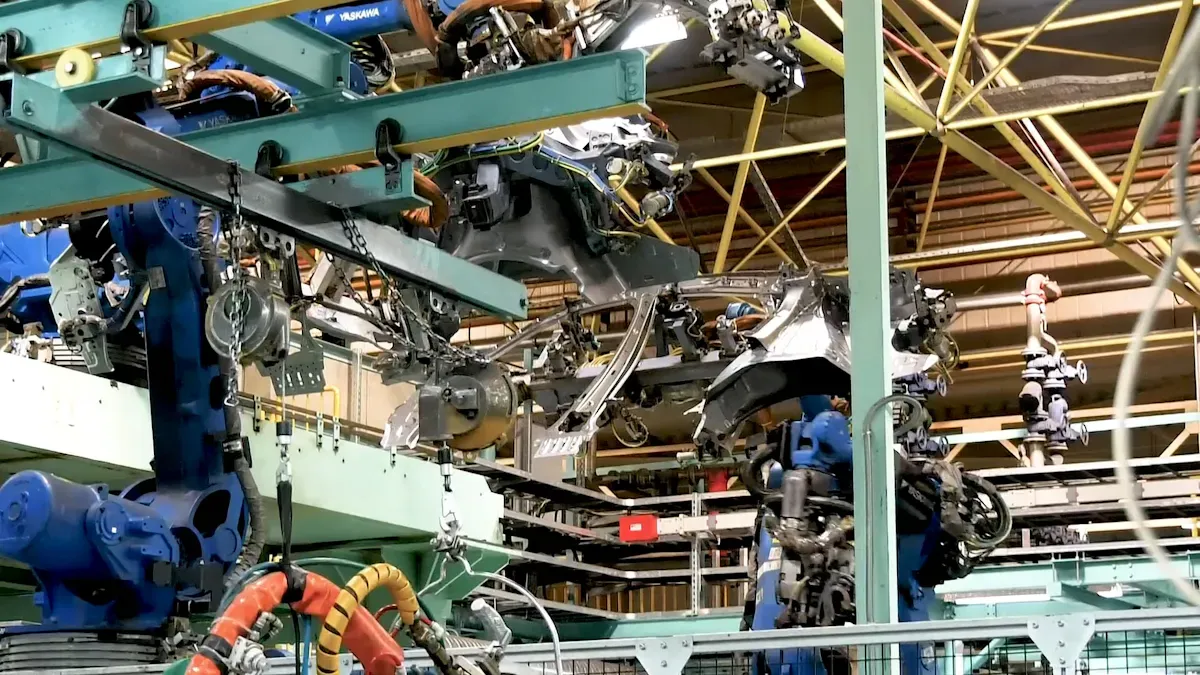
Regulatory compliance is a critical factor when customizing OEM auto parts for global markets. Manufacturers must navigate various local safety standards, environmental regulations, and certification requirements to ensure their products meet market expectations.
Local Safety Standards
Local safety standards vary significantly across regions. Compliance with these standards is essential for manufacturers aiming to sell OEM auto parts globally. The following table outlines some of the most common local safety standards that OEM auto parts must meet in major automotive markets:
| Standard | Description | Region(s) |
|---|---|---|
| IATF 16949 | Automotive quality management standard focusing on defect prevention. | Global (automotive) |
| IEC | Standards for electrical safety and electromagnetic compatibility. | Global |
| UL | Safety standards primarily for North America. | North America |
| FCC | Compliance for electronic devices emitting radio frequency. | United States |
| REACH | Regulation for the control of chemical substances. | European Union |
| RoHS | Restricts hazardous substances in electronics. | European Union |
| ISO 9001 | Global benchmark for quality management systems. | Global |
| ISO 14001 | Focuses on environmental management and sustainability. | Global |
Adhering to these standards ensures that OEM auto parts are safe and reliable. Non-compliance can lead to significant legal and financial repercussions.
Environmental Regulations
Environmental regulations also play a vital role in the customization of OEM auto parts. These regulations influence material selection and production processes. For instance, manufacturers must consider the following:
| Evidence Description | Source |
|---|---|
| The integration of PCF reporting into existing material data workflows enhances supply-chain transparency and helps meet EU regulations. | Sustainability in the Automotive Industry |
| The automotive industry faces pressure to reduce carbon emissions and vehicle weight due to stricter environmental legislation. | Sustainability in the Automotive Industry |
| Material selection is influenced by customer expectations and legal requirements for lightweight, energy-efficient, and environmentally friendly materials. | Materials Used in Automotive Manufacture and Material Selection Using Ashby Charts |
These regulations compel manufacturers to adopt sustainable practices, which can enhance their market appeal and compliance with local laws.
Certification and Testing Requirements
Certification and testing requirements are crucial for ensuring that OEM auto parts meet safety and performance standards. Different global markets mandate various certifications, including:
- E-Mark Certification: A European mark indicating compliance with safety and environmental standards, essential for selling automotive products in the EU.
- SAE Standards: Global benchmarks for quality, safety, and performance of automotive parts, ensuring consistency and reliability.
- ISO 9001: A quality management standard that enhances performance and customer satisfaction across various sectors.
- ISO/TS 16949: A specification for quality management in the automotive industry, focusing on defect prevention and efficiency.
- CAPA Certification: Ensures aftermarket parts meet or exceed OEM specifications, enhancing quality and safety in collision repairs.
- NSF Certification: Covers various automotive components, ensuring they meet or exceed OEM quality and safety standards.
Meeting these certification requirements can impact the timeline and cost of OEM auto parts customization. Standardized testing procedures streamline the customization process, leading to potential cost savings by optimizing testing processes.
Ensuring compliance with local safety standards, environmental regulations, and certification requirements is essential for manufacturers. This diligence not only mitigates risks but also enhances the overall quality and marketability of OEM auto parts.
Market Research for OEM Auto Parts

Market research plays a pivotal role in customizing OEM auto parts for global markets. Understanding regional vehicle preferences, assessing market size and growth potential, and analyzing competitor product adaptations are essential steps for manufacturers aiming to succeed.
Understanding Regional Vehicle Preferences
Regional vehicle preferences significantly influence the customization of OEM auto parts. Different markets exhibit unique demands based on consumer behavior and automotive trends. The following table summarizes key vehicle preferences across major regions:
| Region | Vehicle Preferences | Key Influences on Parts Customization |
|---|---|---|
| Japan | Demand for precision-engineered parts optimized for advanced automotive technologies | Focus on high-quality, technologically advanced components |
| Germany | Preference for OEM and warranty-backed products | Emphasis on quality assurance and strong warranty policies |
| Brazil | Sensitivity to price fluctuations, opting for generic or remanufactured parts | Affordability priorities influencing purchasing behavior |
In Japan, consumers prioritize precision and advanced technology, leading to a demand for high-quality components. In contrast, German consumers value OEM products with robust warranty options. Brazilian consumers often seek affordability, which drives the popularity of generic parts.
Assessing Market Size and Growth Potential
Evaluating market size and growth potential is crucial for strategic planning. The following table illustrates the current and projected market sizes for OEM auto parts in key regions:
| Region | Current Market Size (2025) | Projected Market Size (2035) | CAGR (%) |
|---|---|---|---|
| North America | USD 41.09 billion | USD 63.2 billion | 4.4% |
| Global (Overall) | USD 39.39 billion | USD 61.16 billion | 4.50% |
The global market for OEM auto parts is expected to grow significantly, with a compound annual growth rate (CAGR) of 5.27%. This growth is driven by increasing vehicle ages and ongoing demand for maintenance. Manufacturers should focus on operational efficiency and regionalizing their offerings to capitalize on this trend.
Competitor Product Adaptations
Analyzing competitor product adaptations provides insights into successful strategies in various markets. The following table highlights notable adaptations in North America and Europe:
| Region | Successful Adaptation | Key Players and Brands | Impact on Market |
|---|---|---|---|
| North America | Private label brands | NAPA, LKQ (Keystone, NTP), Advance Auto Parts (DieHard, Carquest), O’Reilly | Driving private-label penetration beyond 50% in several categories, enhancing retailer control. |
| Europe | Private label brands | LKQ (Platinum Plus, Finish Master, Triple QX), D’Ieteren (PHE brands), Autodoc (Ridex, Stark Professional) | Increasing share of private-label products from 15-25% to 35-45% of total sales, improving margins. |
In North America, private label brands have gained significant market share, enhancing retailer control and profitability. Similarly, European markets have seen a rise in private-label products, indicating a shift in consumer preferences towards cost-effective options.
Understanding these market dynamics allows OEM manufacturers to tailor their strategies effectively, ensuring they meet local demands while remaining competitive.
Cultural Preferences in OEM Auto Parts
Cultural preferences significantly influence the customization of OEM auto parts. Understanding these preferences helps manufacturers tailor their products to meet local demands effectively.
Design and Aesthetic Considerations
Design and aesthetics play a crucial role in the appeal of OEM auto parts. Different regions exhibit distinct tastes that manufacturers must consider. For instance:
- In South Korea, consumers favor enhanced automobile interiors. This preference stems from a tech-savvy population that seeks customized seat covers and intelligent lighting systems.
- Italy’s automotive culture prioritizes stylish and high-performance vehicles. This results in trends for customized interior trims and upgraded dashboards that blend traditional and contemporary designs.
These cultural preferences shape product offerings and marketing strategies, ensuring that OEM auto parts resonate with local consumers.
Functional Features Valued by Local Consumers
Functional features also vary by region, reflecting local needs and driving habits. For example:
- In regions with harsh climates, consumers prioritize durability and weather resistance in OEM auto parts. This includes components that can withstand extreme temperatures and heavy rainfall.
- In urban areas, features that enhance fuel efficiency and compact design are often more appealing. Consumers in these markets value parts that contribute to better maneuverability and lower emissions.
Manufacturers must adapt their products to align with these functional requirements, ensuring they meet the expectations of local consumers.
Language and Labeling Requirements
Language and labeling requirements are essential for effective communication with consumers. Clear labeling helps consumers understand product specifications and usage instructions. In many regions, manufacturers must consider:
- Local languages for product descriptions and safety warnings. This ensures that consumers can easily comprehend important information.
- Compliance with regional labeling regulations, which may dictate specific formats or symbols that must appear on packaging.
By addressing these language and labeling needs, manufacturers can enhance customer trust and satisfaction, ultimately leading to greater market success.
Supply Chain and Logistics for OEM Auto Parts
Sourcing local materials and components is a crucial aspect of the supply chain for OEM auto parts. Manufacturers often face various challenges in regions such as Southeast Asia and Eastern Europe. These challenges include:
- Regulatory complexities across ASEAN member states create compliance challenges for parts manufacturers and distributors.
- Supply chain disruptions, including fluctuating import duties and currency volatility, can increase inventory costs and lead times.
- Higher costs will likely be factored into pricing, contracts, and logistics budgets due to additional duties on imports.
Addressing these issues requires manufacturers to develop robust strategies that ensure compliance while maintaining cost-effectiveness.
Distribution Network Challenges
Distribution networks play a vital role in the delivery and availability of OEM auto parts. However, several challenges can hinder effective distribution, especially in remote or emerging markets. The following table outlines key challenges and their impacts:
| Challenge | Impact on Delivery and Availability |
|---|---|
| Inadequate Infrastructure | Leads to inefficiencies and increased costs in delivery. |
| Geographical Barriers | Causes delays and complicates logistics in remote areas. |
| Logistical Complexities | Results in higher operational costs and affects customer satisfaction. |
These challenges necessitate innovative logistics solutions to enhance delivery efficiency and ensure that OEM auto parts reach consumers in a timely manner.
Lead Times and Inventory Management
Effective lead times and inventory management are essential for maintaining a competitive edge in the OEM auto parts market. Manufacturers can adopt several strategies to optimize these processes:
- Partnering with suppliers who provide compliance certificates ensures that OEM components meet specifications, which is crucial for managing inventory effectively.
- For electric vehicles, prioritizing suppliers with specific validation processes addresses unique inventory challenges.
- A major international OEM managed over 16,000 SKUs and aimed for strict one-day delivery targets, highlighting the complexity of lead times in global supply chains.
- Lead times were reduced by up to 60% through optimized sourcing strategies, demonstrating effective inventory management.
- Logistics costs decreased by as much as 20%, indicating the financial benefits of efficient inventory practices.
Global supply disruptions have led to increased lead times for genuine parts, emphasizing the need for effective inventory management strategies. The international sourcing of parts has become standard practice, reflecting the complexity of managing lead times in a global context. A typical vehicle contains 15,000 to 25,000 parts, illustrating the intricacies involved in managing lead times in automotive supply chains.
By addressing these supply chain and logistics challenges, manufacturers can enhance their operational efficiency and better meet the demands of global markets.
Quality Standards for OEM Auto Parts
Durability Requirements by Climate and Terrain
Durability is a critical quality standard for OEM auto parts. Manufacturers must consider the climate and terrain of the regions where their products will be used. For example, parts designed for areas with extreme temperatures must withstand thermal stress. Similarly, components used in rugged terrains require enhanced resistance to mechanical stress and corrosion. Comprehensive durability testing simulates real-world conditions, ensuring that parts perform reliably over time.
Warranty and After-Sales Support
Effective warranty and after-sales support are essential for customer satisfaction. Manufacturers should implement robust warranty management practices, which include:
- Handling claims efficiently.
- Administering warranty policies effectively.
- Ensuring compliance with local regulations.
Types of warranties, such as Manufacturer Warranties, Extended Warranties, and Service Contracts, cater to different customer needs. Common challenges in warranty management include logistics and compliance, which manufacturers must address to maintain customer trust.
Aligning with OEM Brand Reputation
Aligning quality standards with brand reputation is vital for OEM manufacturers. They achieve this by:
- Partnering with ISO/TS 16949-certified suppliers to ensure raw material authenticity.
- Employing advanced inspection technologies to detect defects early.
- Conducting durability testing to certify component longevity.
Additionally, manufacturers embrace Industry 4.0 technologies, such as IoT and big data analytics, to optimize product quality and accelerate innovation. These practices enhance brand differentiation and ensure consistency across global operations.
- Effective customization of OEM auto parts requires understanding market dynamics and regulatory demands.
- Thorough research and compliance help manufacturers meet global standards and consumer expectations.
- Proactive adaptation to local needs drives competitiveness and improves customer satisfaction.
Utilizing big data and lean manufacturing enables OEMs to respond quickly to market changes, enhancing product relevance and operational efficiency.
FAQ
What is the importance of regulatory compliance in OEM auto parts?
Regulatory compliance ensures that OEM auto parts meet local safety and environmental standards, reducing legal risks and enhancing marketability.
How can market research benefit OEM manufacturers?
Market research helps manufacturers understand regional preferences, assess growth potential, and analyze competitor strategies, leading to better product customization.
Why are cultural preferences significant in OEM auto parts customization?
Cultural preferences influence design, functionality, and labeling, ensuring that OEM auto parts resonate with local consumers and meet their specific needs.