
Bearings are often called the “heart” of rotating machinery. Whether in a high-speed industrial motor or an electric vehicle (EV) powertrain, the performance of the bearing directly dictates the efficiency, noise levels, and operational safety of the entire system. Understanding Bearing Maintenance is not just about avoiding failure; it is about optimizing the Total Cost of Ownership (TCO).
In this comprehensive guide, we explore the technical requirements for maximizing Motor Bearing Lifespan and provide actionable industrial bearing maintenance tips to ensure your equipment runs at peak performance.
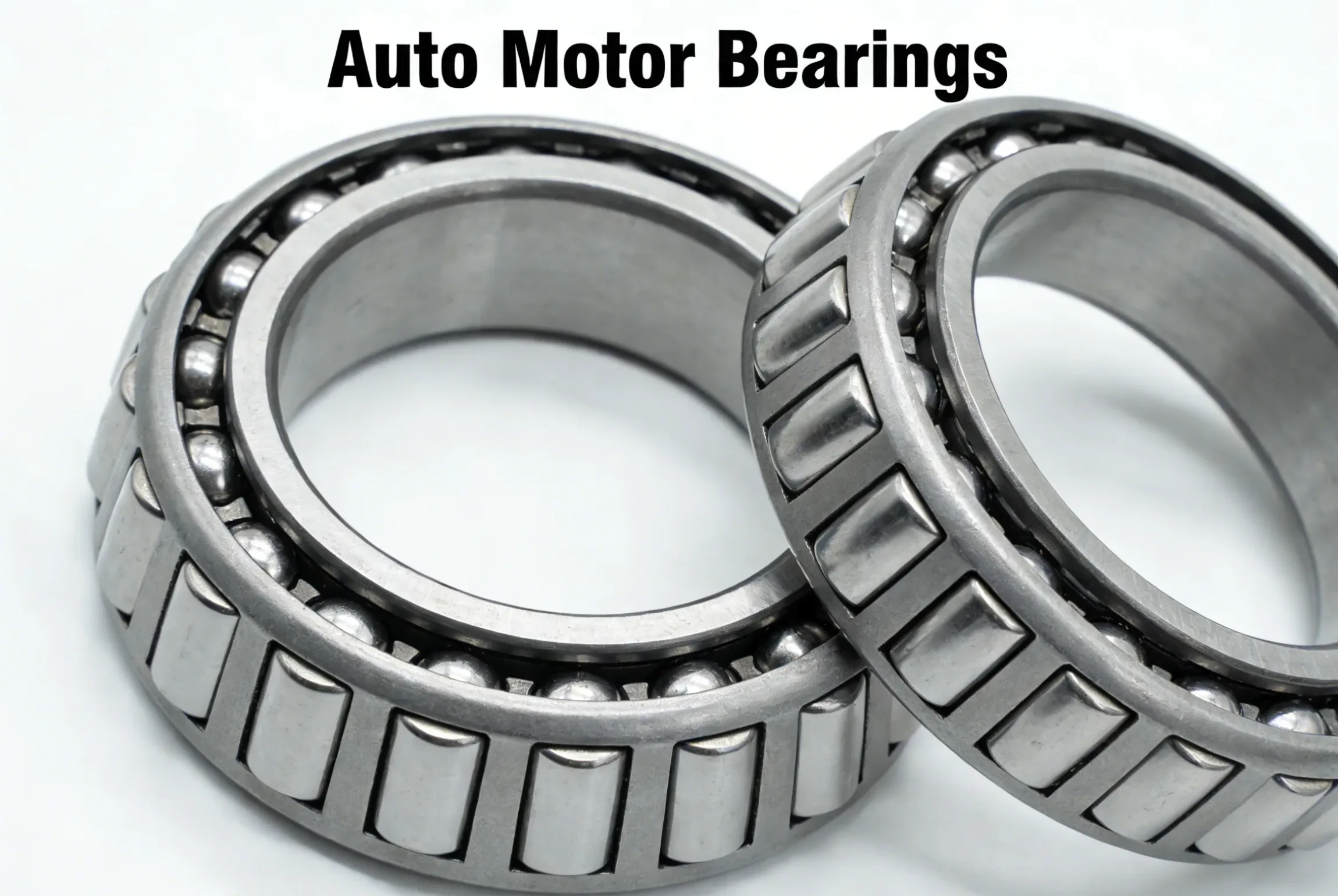
What Factors Determine Bearing Service Life?
Before diving into maintenance routines, we must define what “life” means in a technical context. According to ISO 281, the L10 life is the life that 90% of a group of identical bearings will reach or exceed. However, the actual Bearing Service Life in the field is influenced by four critical pillars:
- Load and Speed: Operating beyond the rated dynamic load capacity ($C$) or limiting speed.
- Lubrication Quality: The presence of an adequate elastohydrodynamic lubricant (EHL) film.
- Contamination Control: Prevention of solid particles or moisture ingress.
- Installation Precision: Avoiding misalignment and “brinelling” during mounting.
Why Is Proper Lubrication Critical for Low Noise Bearing Maintenance?
Lubrication is the single most important factor in auto motor bearing care. For high-precision applications, such as electric vehicle motors, maintaining a silent environment requires low noise bearing maintenance protocols.
1. The Role of the Lubricant Film
The primary purpose of grease or oil is to prevent metal-to-metal contact between the rolling elements (balls/rollers) and the raceways. When the lubricant film fails, micro-pitting and adhesive wear occur, leading to increased vibration and audible noise.
2. Choosing the Right Grease
For motor bearings, especially deep groove ball bearings, the choice of grease depends on:
- Base Oil Viscosity: Must be sufficient to form a film at operating temperatures.
- Thickener Type: Polyurea or Lithium complex greases are standard for high-speed motor applications.
- NLGI Grade: Typically Grade 2 for horizontal motors.
3. Bearing Lubrication Methods: Manual vs. Automatic
| Method | Pros | Cons | Best For |
|---|---|---|---|
| Manual Greasing | Low initial cost; allows for visual inspection. | Risk of over-greasing; inconsistent intervals. | Small-scale industrial shops. |
| Automatic Lubricators | Precise delivery; reduces contamination risk. | Higher setup cost; requires monitoring. | 24/7 industrial production lines. |
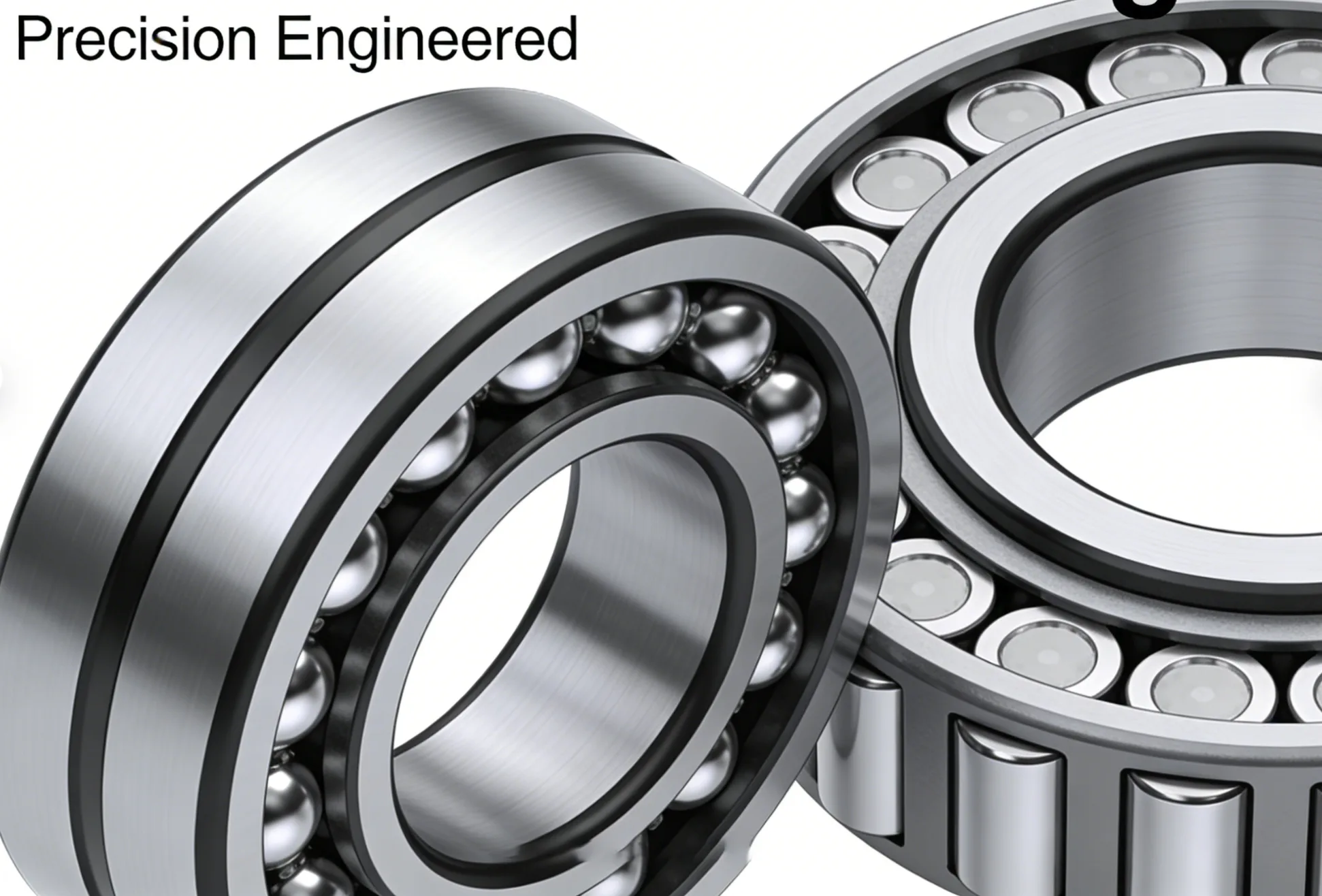
How to Extend Deep Groove Ball Bearing Life in Industrial Motors?
Deep groove ball bearings are the most common type used in motors due to their ability to handle both radial and axial loads. To extend deep groove ball bearing life, follow these professional maintenance steps:
Step 1: Precision Installation
Never strike a bearing directly with a hammer. Use induction heaters to expand the inner ring for a shrink-fit onto the shaft. This prevents “True Brinelling”—permanent indentations in the raceway caused by improper force.
Step 2: Vibration Analysis and Monitoring
Modern industrial bearing maintenance tips emphasize “Predictive Maintenance” (PdM). By using accelerometers, technicians can detect:
- Outer race defects: High-frequency peaks.
- Cage damage: Modulated noise signals.
- Lubrication starvation: Increased ultrasonic noise levels.
Step 3: Controlling Shaft Currents
In motors driven by Variable Frequency Drives (VFDs), electrical discharge machining (EDM) can occur. This creates “fluting” (parallel grooves) on the bearing raceway. Using insulated bearings (ceramic coating) or hybrid bearings with silicon nitride balls is a proven method to increase Motor Bearing Lifespan.
What Are the Best Practices for Auto Motor Bearing Care?
Automotive bearings, particularly in EVs and alternators, face extreme temperature fluctuations and high RPMs.
- Seal Integrity: Always inspect the integrity of the RS (Rubber Seal) or Z (Metal Shield). A compromised seal allows road salt and dust to enter, which acts as an abrasive paste.
- Thermal Management: Ensure the motor housing is clean. Overheating thins the grease, causing it to leak out (bleeding), which leads to premature dry-running failure.
- Load Alignment: In belt-driven systems (like alternators), excessive belt tension can cause parasitic loads that significantly shorten the Bearing Service Life.
Comparative Analysis: Factors Affecting Bearing Failure
Understanding why bearings fail helps in formulating a better Bearing Maintenance strategy. According to industry data from SKF and NSK, failure modes are distributed as follows:
| Cause of Failure | Percentage | Primary Solution |
|---|---|---|
| Improper Lubrication | 36% | Correct grease selection & interval. |
| Contamination | 14% | Improved sealing solutions. |
| Improper Installation | 16% | Use of induction heaters & alignment tools. |
| Fatigue/Other | 34% | Selecting higher load-rated bearings. |
Strategic Summary for Extending Bearing Life
To truly excel in industrial bearing maintenance, one must move from reactive “firefighting” to a proactive culture. This involves:
- Standardizing Storage: Keep bearings in their original packaging in a vibration-free, temperature-controlled environment.
- Cleanliness: Ensure the “Clean Room” principle when replacing bearings in sensitive auto motors.
- Digital Documentation: Use CMMS (Computerized Maintenance Management Systems) to track the Bearing Service Life of every critical asset.
FAQ: Essential Knowledge for Bearing Maintenance
What are the first signs of motor bearing failure?
The most common early indicators are an increase in operating temperature and an audible change in “pitch” or noise. If you feel a distinct vibration when touching the motor housing, the bearing has likely entered the late stages of failure.
How often should I relubricate an industrial motor bearing?
There is no “one size fits all” answer. The interval is calculated using the formula involving bearing bore ($d$), speed ($n$), and temperature factors. Most high-grade industrial motors require relubrication every 2,000 to 4,000 operating hours.
Can I mix different types of bearing grease?
No. Mixing greases with different thickeners (e.g., Lithium and Polyurea) can cause a chemical reaction that leads to the grease hardening or liquefying. Always flush out old grease completely before switching brands or types.
Why is moisture so dangerous for auto motor bearings?
Moisture causes “etching” or corrosion on the highly polished surfaces of the balls and raceways. Even a small amount of water (0.01%) in the lubricant can reduce the Motor Bearing Lifespan by up to 50%.
Are “Sealed for Life” bearings truly maintenance-free?
“Sealed for Life” means the bearing is pre-filled with grease and cannot be relubricated. While they require less manual labor, their service life is limited by the chemical life of the internal grease. Once the grease degrades, the entire bearing must be replaced.