

Spherical roller bearings often fail due to various factors, leading to significant operational challenges. When these roller spherical bearings fail, manufacturers may face unplanned outages, increased downtime, and lost productivity. The costs associated with such failures can reach between $25,000 to $50,000 per hour, severely straining maintenance budgets. Implementing preventive measures is crucial for minimizing these risks. Regular maintenance, including proper lubrication for roller bearings, is essential. Additionally, understanding how to lubricate spherical roller bearings effectively can enhance reliability and extend service life. Furthermore, conducting bearing vibration analysis can help identify potential issues before they lead to failure, ensuring smoother operations. Spherical roller thrust bearings also require attention to lubrication to maintain optimal performance.
Key Takeaways
- Spherical roller bearings can fail due to overheating, contamination, misalignment, and overloading. Understanding these causes helps prevent failures.
- Regular inspections are crucial. Check for unusual noises, vibrations, and temperature changes to catch problems early.
- Proper lubrication is essential. Use the right lubricant and maintain clean conditions to avoid wear and extend bearing life.
- Monitor load conditions carefully. Ensure that loads do not exceed the bearing’s rated capacity to prevent damage.
- Implement preventive maintenance strategies. Regular checks and training can significantly improve the reliability of spherical roller bearings.
Common Causes of Spherical Roller Bearing Failure
Spherical roller bearings can fail for several reasons, each contributing to operational inefficiencies and increased costs. Understanding these causes helps in implementing effective preventive measures. Here are the most common causes of failure:
-
Overheating: Excessive temperatures often arise from inadequate lubrication or excessive loads. High temperatures can lead to thermal expansion, which may damage the bearing surfaces.
-
Contamination: Foreign particles can enter the bearing assembly, causing abrasive damage. Contaminants such as dirt, dust, and moisture can significantly reduce the lifespan of a spherical roller bearing.
-
Inadequate Lubrication: Insufficient lubrication increases friction between moving parts. This friction generates heat, leading to overheating and eventual bearing failure.
-
Misalignment: Incorrect alignment of the bearing can cause uneven loading. This uneven stress can lead to premature wear and failure of the bearing.
-
Corrosion: Exposure to harsh environments can result in corrosion. Corrosive elements can damage the bearing surfaces, leading to reduced performance and failure.
-
Brinelling: This occurs when excessive loads create permanent indentations on the bearing surface. Brinelling can lead to increased vibration and noise, ultimately resulting in failure.
-
Electrical Pitting: Stray electrical currents can cause localized damage on the bearing surface. This phenomenon, known as electrical pitting, can significantly compromise the integrity of the bearing.
-
Improper Mounting: Incorrect installation can lead to alignment issues and uneven loading. Proper mounting techniques are essential to ensure the longevity of spherical roller bearings.
By recognizing these common causes, maintenance teams can take proactive steps to mitigate risks and enhance the reliability of their equipment.
Insufficient Lubrication
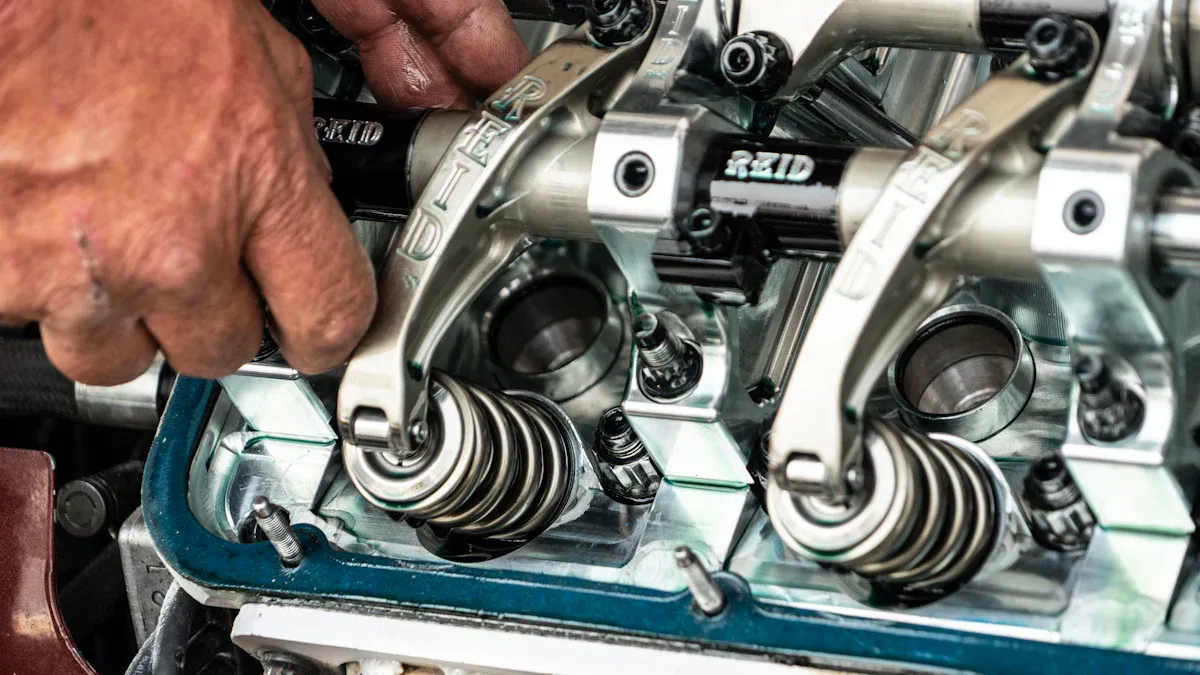
Insufficient lubrication is a leading cause of spherical roller bearing failure. When lubrication levels drop, friction between the rolling elements increases. This friction generates heat, which can degrade the grease and damage the raceways. As a result, the bearing experiences premature wear and reduced performance.
Several factors contribute to inadequate lubrication. High temperatures can cause lubricant breakdown, leading to increased friction and wear. Conversely, extremely low temperatures can thicken the lubricant, impairing its performance. Additionally, contamination from dirt and moisture can cause abrasion and corrosion, further weakening the bearing.
Research indicates that lubrication issues account for 70 to 80% of bearing failures in industrial environments. Proper lubrication is essential to minimize friction and avoid metal-to-metal contact. Without sufficient lubrication, bearings can overheat, leading to severe damage.
To prevent lubrication-related failures, maintenance teams should adhere to recommended lubrication intervals and select the appropriate lubricant based on several criteria. These criteria include bearing load, operating temperature, ambient temperature, bearing speed range, and potential contamination.
Nearly 40 percent of all premature bearing failures are caused by lubrication problems. Mistakes during installation and incorrect maintenance, such as failure to relubricate on time, often lead to these issues.
By ensuring proper lubrication practices, organizations can significantly enhance the reliability and lifespan of their spherical roller bearings.
Contamination
Contamination poses a significant threat to the performance and longevity of spherical roller bearings. When foreign particles infiltrate the bearing assembly, they create abrasive conditions that can lead to severe damage. Common contaminants include:
- Dirt
- Dust
- Sand
- Water
- Chemicals
- Corrosives
These elements can introduce harmful substances into the lubrication system. For instance, moisture can cause corrosion, weakening the bearing over time. Additionally, dirt and dust can lead to abrasion, which accelerates wear and tear on the bearing surfaces.
In industrial environments, inadequate seals often fail to prevent the entry of particulate matter. This situation can result in premature failure of the spherical roller bearing. The presence of contaminants can lead to several detrimental effects:
- Abrasion and damage from dirt, dust, or debris.
- Corrosion due to moisture exposure.
- Increased wear from foreign particles disrupting smooth operation.
To mitigate contamination risks, organizations should implement effective sealing solutions and maintain clean operating environments. Regular inspections can help identify potential contamination sources before they escalate into significant issues.
Tip: Always ensure that the lubrication system remains clean and free from contaminants. This practice is essential for maintaining the integrity of spherical roller bearings.
By understanding the impact of contamination, maintenance teams can take proactive measures to protect their equipment. This approach not only enhances the reliability of spherical roller bearings but also extends their service life.
Misalignment
Misalignment is a critical issue that can lead to premature failure of spherical roller bearings. When bearings are not aligned correctly, they experience uneven load distribution. This misalignment increases internal stress, which negatively impacts the service life of the bearings. Although spherical roller bearings possess self-aligning features, excessive misalignment can still cause significant wear and operational challenges.
Several factors contribute to misalignment during installation. Common causes include:
| Cause | Symptoms | Checks |
|---|---|---|
| Installation Errors | Shaft misalignment during bearing mounting | Measure misalignment; check housing squareness and stiffness; verify shaft deflection. |
| Thermal Expansion | Temperature fluctuations distort components | Measure temperature and check for distortion. |
| Structural Misalignment | Heat at one side of the raceway, localized smearing, early spalling | Check housing and foundation integrity. |
To mitigate the risks associated with misalignment, maintenance teams should conduct regular inspections. They should measure alignment and ensure that all components are installed according to manufacturer specifications. Proper alignment not only enhances the performance of spherical roller bearings but also extends their operational longevity.
The self-aligning feature of spherical roller bearings helps accommodate minor misalignments. However, significant misalignment can lead to severe consequences, including:
- Increased internal stress
- Uneven load distribution
- Reduced service life
By addressing misalignment proactively, organizations can enhance the reliability of their equipment and minimize downtime. Regular alignment checks and adjustments are essential for maintaining optimal performance.
Tip: Always verify alignment during installation and periodically throughout the bearing’s service life to prevent costly failures.
Overloading
Overloading occurs when a spherical roller bearing experiences loads that exceed its rated capacity. This situation can lead to severe consequences, including premature wear and eventual failure. Bearings are designed to handle specific loads, and exceeding these limits can compromise their integrity.
When a bearing operates under excessive load, it undergoes increased stress. This stress can lead to several issues:
- Deformation: The rolling elements and raceways may deform, resulting in a loss of proper fit and function.
- Heat Generation: Overloading generates excess heat, which can degrade the lubricant and damage the bearing surfaces.
- Reduced Lifespan: Continuous overloading accelerates wear, significantly shortening the bearing’s operational life.
To prevent overloading, maintenance teams should always check the bearing’s load ratings. This includes both dynamic and static load capacities. Ensuring that these ratings match the application’s requirements is crucial for handling the load effectively.
In industrial applications, the following steps can help mitigate the risks associated with overloading:
- Regular Monitoring: Implement load monitoring systems to track the forces acting on the bearings.
- Proper Selection: Choose bearings with appropriate load ratings for the specific application.
- Load Distribution: Ensure even load distribution across multiple bearings when applicable.
By adhering to these practices, organizations can enhance the reliability of their spherical roller bearings and reduce the likelihood of failure due to overloading.
Tip: Always consult the manufacturer’s specifications to determine the appropriate load limits for your spherical roller bearings.
Fatigue and Wear
Fatigue and wear are significant factors that contribute to the failure of spherical roller bearings. Over time, repeated stress and strain can lead to material fatigue, which manifests as cracks and surface degradation. This process occurs gradually, often going unnoticed until it results in catastrophic failure.
The primary cause of fatigue in spherical roller bearings is cyclic loading. Each time the bearing rotates, it experiences varying loads. These loads can cause microscopic cracks to form in the material. As the cycles continue, these cracks can grow, leading to spalling or flaking of the bearing surfaces. This deterioration not only affects the bearing’s performance but also increases vibration and noise levels.
Wear, on the other hand, results from the friction between the rolling elements and raceways. Factors such as inadequate lubrication, contamination, and misalignment can accelerate wear. The presence of abrasive particles can exacerbate this issue, leading to a rough surface finish and reduced load-carrying capacity.
To illustrate the expected lifespan of spherical roller bearings under normal operating conditions, consider the following table:
| Bearing Type | Average Lifespan |
|---|---|
| Spherical Roller Bearings | 60,000 – 200,000 hours |
This lifespan can vary based on operating conditions, maintenance practices, and load factors. Regular monitoring and maintenance can help extend the service life of spherical roller bearings by addressing fatigue and wear issues before they escalate.
Tip: Implementing a condition monitoring program can help detect early signs of fatigue and wear. This proactive approach allows maintenance teams to take corrective actions before failures occur.
By understanding the mechanisms of fatigue and wear, organizations can develop strategies to enhance the reliability and longevity of their spherical roller bearings.
Preventive Maintenance Strategies
Implementing effective preventive maintenance strategies is essential for enhancing the reliability of spherical roller bearings. These strategies help ensure consistent performance and minimize unplanned downtime. Here are some key practices that organizations should adopt:
-
Regular Inspections: Conducting frequent inspections is crucial for identifying potential issues before they escalate. Maintenance teams should focus on the following tasks during inspections:
Inspection Task Importance Check for abnormal vibration Early detection of potential failures Monitor elevated temperatures Prevent overheating and associated damage Listen for unusual noise Identify mechanical issues before they escalate Assess lubricant condition Ensure proper lubrication to avoid wear and tear Inspect seal integrity Prevent contamination and maintain bearing performance Measure clearance or preload Confirm proper fit and function, especially for critical applications Inspect raceways and rolling elements Detect wear, corrosion, or damage that could lead to failure Conduct root cause analysis Address underlying issues to prevent recurring failures -
Condition Monitoring: Utilizing condition monitoring technologies can significantly enhance the early detection of bearing issues. Maintenance teams should consider the following methods:
- Vibration monitoring helps identify abnormal conditions by analyzing vibration frequency and amplitude, indicating potential issues like imbalance or internal damage.
- Temperature measurement detects overheating, which can signal insufficient lubrication or overload, allowing for timely intervention.
- Lubrication inspection ensures that the lubricant is in good condition, preventing increased wear and potential bearing failure.
- Visual inspections can reveal obvious problems such as seal integrity and surface abnormalities, facilitating early detection of issues.
-
Utilizing Data for Predictive Maintenance: Combining SCADA temperature data with vibration data and grease analysis allows for early detection of bearing damage and lubrication issues. This proactive approach can prevent failures and extend the lifespan of spherical roller bearings.
-
Training and Education: Providing training programs for maintenance personnel is vital for improving the reliability of spherical roller bearings. Training can cover topics such as:
Training Program Type Link Spherical Roller Bearings Preventive Maintenance Link Training Events Link Self-Paced Online Training Link ControlLogix Troubleshooting Training Link Live Training (Online & In-Person) Link -
Environmental Considerations: Maintenance teams should also consider environmental factors that can affect bearing performance. High temperatures can lead to thermal expansion and lubrication degradation, while high humidity can cause corrosion. Implementing strategies to control these factors can significantly enhance bearing longevity.
By adopting these preventive maintenance strategies, organizations can reduce the risk of spherical roller bearing failures, ultimately leading to improved operational efficiency and reduced maintenance costs.
Spherical roller bearings can fail due to various factors, including insufficient lubrication, contamination, misalignment, and overloading. Understanding these causes is vital for organizations aiming to enhance equipment reliability.
Preventive maintenance plays a crucial role in maximizing the lifespan of spherical roller bearings. Regular inspections, proper installation, and high-quality lubrication are essential practices. Organizations should also maintain cleanliness around bearings and adhere to manufacturer-recommended load limits.
To improve reliability, consider implementing the following strategies:
- Conduct regular inspections to identify potential issues.
- Manage lubrication effectively to prevent wear.
- Monitor load conditions to avoid overloading.
By adopting these best practices, organizations can significantly reduce the risk of bearing failures and enhance operational efficiency.
FAQ
What are spherical roller bearings?
Spherical roller bearings are designed to accommodate both radial and axial loads. They feature two rows of symmetrical rollers and a common spherical raceway, allowing for self-alignment and improved performance in misaligned applications.
How can I tell if my spherical roller bearing is failing?
Signs of failure include unusual noise, increased vibration, and elevated temperatures. Regular inspections can help detect these symptoms early, allowing for timely maintenance or replacement.
What is the best way to lubricate spherical roller bearings?
Use high-quality grease or oil recommended by the manufacturer. Ensure proper lubrication intervals based on operating conditions, load, and temperature to minimize friction and wear.
How often should I inspect my spherical roller bearings?
Inspect spherical roller bearings regularly, ideally every few months. Increase inspection frequency in harsh environments or high-load applications to catch potential issues before they escalate.
Can contamination be completely avoided?
While it is challenging to eliminate contamination entirely, implementing effective sealing solutions and maintaining a clean operating environment can significantly reduce the risk of contaminants entering the bearing assembly.