
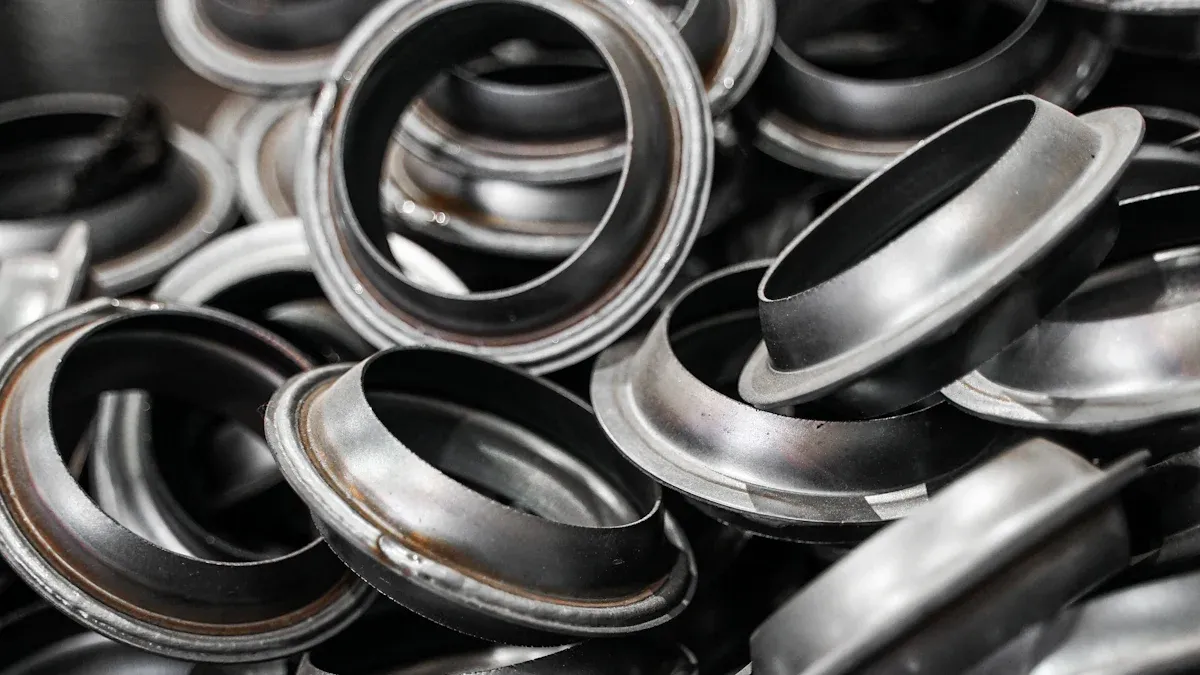
Selecting the right bearings is crucial in steel manufacturing, especially when dealing with spherical roller bearing heavy load applications. Poor choices can lead to approximately 22.34% of equipment failures, impacting operational efficiency and equipment longevity significantly. Steel manufacturing environments pose challenges like extreme temperatures, contaminants, and heavy loads, making it essential to choose a bearing for vibration applications that can withstand these conditions. As a reputable spherical roller bearing supplier, we understand the importance of considering these factors to ensure reliable performance.
Key Takeaways
- Understand load capacity ratings to ensure your bearings can handle the required loads without failure. This knowledge helps extend equipment lifespan.
- Consider environmental factors like temperature extremes and contaminants when selecting bearings. These factors can significantly impact performance and longevity.
- Implement regular inspection and lubrication strategies to prevent bearing failures. Proactive maintenance can save costs and enhance operational efficiency.
Load Capacity
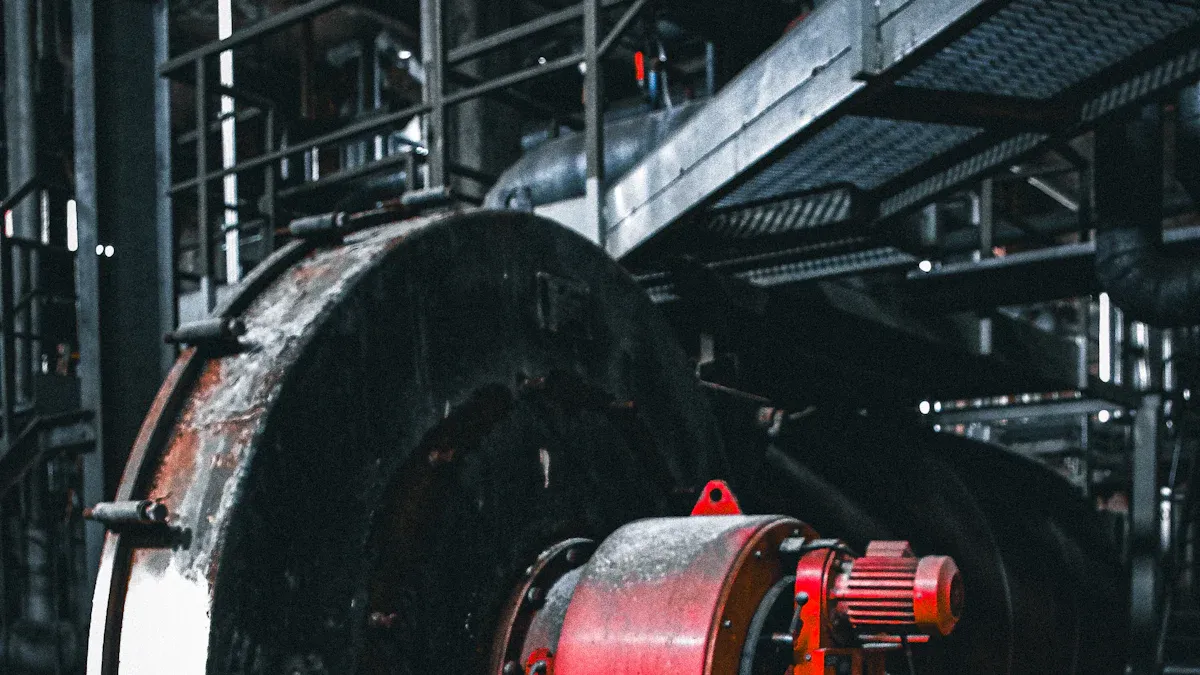
When selecting bearings for steel manufacturing, understanding load capacity is vital. Load capacity refers to the maximum load a bearing can handle without failure. This capacity is crucial for ensuring the longevity and reliability of your equipment.
Understanding Load Ratings
Load ratings are essential for predicting how long a bearing will last under specific conditions. The dynamic capacity, denoted as C, indicates the constant radial load a bearing can withstand for a basic rating life of one million revolutions. This rating helps you estimate the lifespan of bearings under expected loads and speeds. Conversely, the static capacity, represented as Co, signifies the maximum load a stationary bearing can endure without causing permanent deformation.
To give you a clearer picture, here’s a table outlining the minimum L10 life for bearings under various operating conditions:
| Operating Condition | Minimum L10 Life (Hours) |
|---|---|
| Intermittent operation during day, service interruptions acceptable | 8,000 |
| Intermittent operation during day, reliability important | 12,000 |
| Continuous 1 shift operation | 20,000 |
| Continuous 2 shift operation | 40,000 |
| Continuous 24 hour operation | 60,000 |
| Continuous 24 hour operation reliability important | 100,000 |
Dynamic vs. Static Loads
Understanding the difference between dynamic and static loads is crucial for making informed decisions.
| Load Type | Definition |
|---|---|
| Static Load Capacity | Maximum load a bearing can sustain without permanent deformation when not moving. |
| Dynamic Load Capacity | Load a bearing can endure under rotation for a specified life (usually 1e6 revolutions for L10 life). |
Heavy-duty machines in steel manufacturing require bearings that can withstand immense stress without failure. Manufacturers consider specific load ratings, including both static and dynamic ratings, to ensure optimal performance. Environmental factors, such as misalignment and exposure to harsh conditions, also play a critical role in the selection process. You must align application-specific requirements, including pressure cycles and stress duration, with the bearing ratings to prevent failure.
By understanding these load capacities and ratings, you can make informed choices that enhance the performance of your equipment. Selecting the right spherical roller bearing heavy load options will ensure your operations run smoothly and efficiently.
Environmental Factors
In steel manufacturing, environmental factors significantly impact bearing performance. Two critical aspects to consider are temperature extremes and contaminants.
Temperature Extremes
Steel manufacturing often exposes bearings to harsh temperature conditions. Here are some effects of temperature extremes:
- Thermal expansion can increase friction, leading to misalignment and reduced bearing life.
- To combat these issues, choose bearings with greater clearance or use similar materials for shafts and housings.
- Proper lubrication is essential. Grease offers stability, while oil provides better heat dissipation but may require more sealing.
Understanding these factors helps you select bearings that can withstand temperature fluctuations, ensuring optimal performance.
Contaminants and Lubrication
Contaminants pose a significant threat to bearing function. Common contaminants include:
- Dirt and dust
- Metal shavings
- Chemicals
These elements can cause excessive wear, block oil flow, create sludge, and lead to corrosion. The presence of contaminants can drastically reduce the lifespan and performance of your bearings.
Additionally, humidity and dust levels can influence corrosion behavior. Variations in salt compositions in dust can affect corrosion rates, leading to potential bearing failure. Therefore, consider ambient weather conditions, including temperature and relative humidity, when selecting bearings.
By addressing these environmental factors, you can enhance the reliability and longevity of your bearings in steel manufacturing. Make informed choices to protect your equipment and maintain operational efficiency.
Spherical Roller Bearings for Heavy Loads
Spherical roller bearings are essential in steel manufacturing, especially for heavy load applications. Their unique design allows them to handle both radial and axial loads simultaneously, making them a reliable choice for your operations. Here are some key benefits of using spherical roller bearings in steel manufacturing:
Benefits in Steel Manufacturing
- High Load Capacity: Spherical roller bearings excel in heavy-duty applications. Their robust construction ensures they can support significant loads without compromising performance.
- Reduced Friction: These bearings minimize friction, which leads to increased energy efficiency. Less friction means less wear, contributing to a longer lifespan for your equipment.
- Misalignment Accommodation: One of the standout features of spherical roller bearings is their ability to accommodate misalignment. This capability enhances durability, especially in environments where equipment may experience shifts or vibrations.
- Resistance to Harsh Conditions: Steel manufacturing environments often involve extreme temperatures and contaminants. Spherical roller bearings are built to withstand these harsh conditions, ensuring consistent performance.
The internal geometry of spherical roller bearings distributes stress evenly across the rolling elements. This design leads to consistent performance and reduced wear, making them a preferred choice in various industrial sectors.
| Feature | Spherical Roller Bearings | Other Bearing Types |
|---|---|---|
| Load Capacity | High | Varies |
| Durability | Excellent | Moderate to Low |
| Misalignment Accommodation | Yes | Limited |
| Resistance to Harsh Environments | High | Varies |
Performance Under Vibration Conditions
Vibration conditions in steel manufacturing can significantly impact bearing performance. Spherical roller bearings are designed to handle these challenges effectively. Here’s how they perform under vibration:
- Service Life: Spherical roller bearings can last over seven times longer with contaminated lubrication compared to other types. When lubricants are clean, their service life increases by 1.5 times.
- Wear Rate: They exhibit a wear rate that is less than half that of standard bearings, ensuring longevity and reliability.
- Seizure Resistance: These bearings show a 20% improvement in seizure resistance, which is crucial in high-vibration environments.
- Load Ratings: Spherical roller bearings can handle increased load ratings, up to 1.25 times more than other bearing types, enhancing operational reliability.
Vibration can lead to various forms of damage, including peeling, rust, and cracks. High vibration levels accelerate the degradation of bearing components, resulting in premature failure. By choosing spherical roller bearings, you can mitigate these risks and ensure greater operational reliability, increased productivity, and reduced maintenance costs.
Technological advancements in bearing materials have also improved performance. Innovations in alloy formulations and heat treatment processes have led to enhanced corrosion resistance and load-bearing capacity. These advancements allow spherical roller bearings to endure harsher operational environments while maintaining their integrity over time.
Material Choices
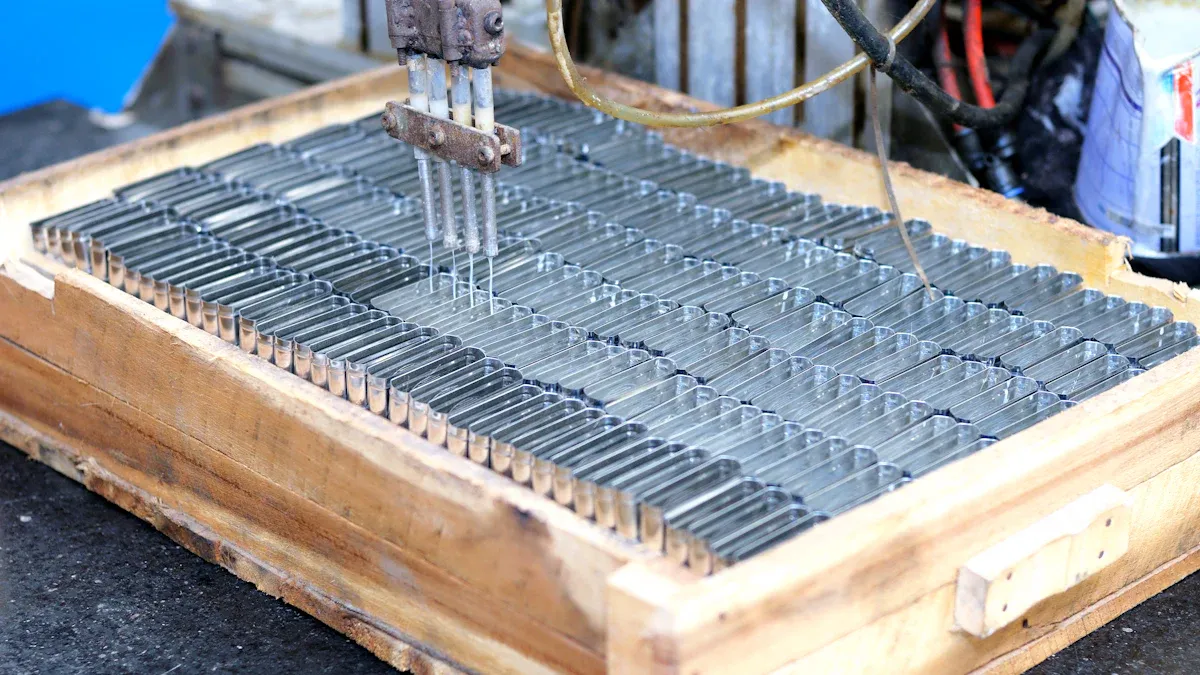
When selecting bearings for steel manufacturing, the material choice plays a crucial role in performance and longevity. You have several options, each with its strengths and weaknesses.
Steel vs. Ceramic Bearings
| Bearing Material | Strengths | Weaknesses |
|---|---|---|
| High carbon chromium bearing steel | Excellent hardness; high strength | N/A |
| Carburising grade steel | Excellent hardness; high strength; good toughness | N/A |
| Ceramic | Anti-corrosion; high wear resistance; thermostability | N/A |
| Non-ferrous metal alloys | High wear resistance; good embedding and compatibility | N/A |
| Non-metallic polymer materials | Anti-corrosion; high wear resistance | N/A |
| Stainless steel | Anti-corrosion; high strength; excellent hardness | N/A |
Steel bearings, particularly high carbon chromium and carburising grades, offer excellent strength and durability. However, they may be prone to rust in certain environments. On the other hand, ceramic bearings provide superior anti-corrosion properties and wear resistance, making them ideal for high-speed applications.
Coatings and Treatments
Coatings and treatments significantly enhance bearing performance. Heat treatment improves mechanical properties, including hardness and wear resistance. This process involves heating the components to a specific temperature and then rapidly cooling them.
Additionally, low-temperature forging enhances the surface integrity of stainless-steel bearings, increasing their fatigue life. This technique creates a martensitic subsurface layer that boosts surface hardness and induces beneficial residual stresses.
Surface engineering techniques, such as diamond-like carbon coatings and laser texturing, further improve tribological performance. These treatments reduce friction, enhance wear resistance, and increase overall efficiency and reliability. By choosing the right materials and treatments, you can ensure your bearings perform optimally in demanding steel manufacturing environments.
Maintenance Needs
Effective maintenance is crucial for ensuring the longevity and performance of bearings in steel manufacturing. By implementing regular inspection protocols and proper lubrication strategies, you can significantly enhance the reliability of your equipment.
Regular Inspection Protocols
Regular inspections play a vital role in preventing premature bearing failure. They maximize performance, which is essential for maintaining productivity and minimizing operational costs. In fact, bearing failures account for over 60% of all breakdowns in rotating equipment within manufacturing plants. To avoid these costly issues, consider the following inspection techniques:
- Visual Inspections: Regularly check for signs of wear or damage.
- Ultrasound Inspections: Detect early signs of lubrication issues.
- Vibration Analyses: Monitor for abnormal vibrations that indicate potential problems.
- Temperature Monitoring: Ensure bearings operate within safe temperature ranges.
Implementing a systematic inspection checklist allows you to proactively address wear, contamination, and lubrication issues before they escalate into significant failures.
Lubrication Strategies
Proper lubrication is essential for the health of your bearings. Insufficient or degraded lubrication can lead to increased friction, excessive heat, and ultimately, bearing failure. Studies show that up to 80% of bearing failures stem from improper lubrication. To maintain optimal performance, follow these lubrication strategies:
- Choose the Right Lubricant: Select lubricants that suit your operating conditions.
- Monitor Lubrication Levels: Regularly check and replenish lubricant to prevent metal-to-metal contact.
- Schedule Routine Lubrication: Establish a lubrication schedule based on your equipment’s specific needs.
By prioritizing regular inspections and effective lubrication, you can significantly reduce the risk of bearing failures and ensure smooth operations in your steel manufacturing processes.
Choosing the right bearings for steel manufacturing requires careful consideration of several factors. You must evaluate:
- Environmental factors: They can impact a bearing’s lifespan by up to 90%.
- Material properties: Different materials offer varying strengths and corrosion resistance.
- Load capacity: Understand both dynamic and static load ratings to prevent failures.
Assess your specific operational needs to optimize bearing selection. Collaborate with manufacturers to ensure informed decisions. This approach guarantees that your bearings meet performance and maintenance requirements, enhancing overall efficiency.
FAQ
What factors should I consider when selecting bearings?
Consider load capacity, environmental conditions, material choices, and maintenance needs to ensure optimal performance in steel manufacturing.
How often should I inspect my bearings?
Inspect your bearings regularly, ideally every month, to catch wear and prevent costly failures.
Can I use ceramic bearings in steel manufacturing?
Yes, ceramic bearings offer excellent corrosion resistance and wear properties, making them suitable for high-speed applications in steel manufacturing.