
Stainless bearings are essential in high-speed applications due to their superior performance. Their corrosion resistant properties and durability make them perfect for a wide range of industries. By choosing the right stainless bearing, you can enhance the performance and longevity of your equipment. Additionally, consider the advantages of utilizing a corrosion resistant bearing or a ceramics bearing tailored to your specific requirements. These alternatives can greatly boost efficiency in high-speed environments, ensuring smooth operations and minimizing maintenance needs.
Key Takeaways
- Stainless bearings enhance performance and longevity in high-speed applications across various industries.
- Corrosion resistance is a key feature, ensuring reliability in harsh environments like aerospace, marine, and food processing.
- Choosing the right stainless bearing can significantly reduce maintenance needs and operational downtime.
- In medical devices, stainless bearings improve precision and safety, making them essential for patient care.
- Investing in stainless bearings leads to better performance and cost savings over time due to their durability.
Aerospace Industry Applications of Stainless Bearings
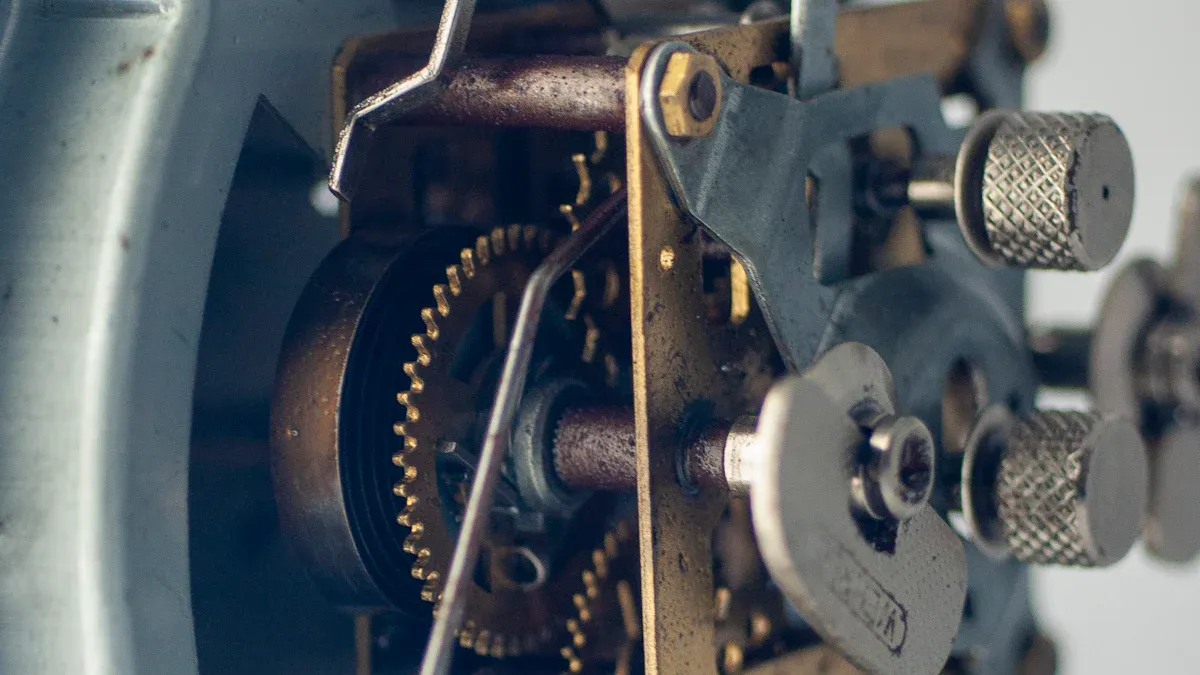
In the aerospace industry, stainless bearings play a vital role in ensuring the safety and efficiency of aircraft. You will find these bearings in various components, including jet engines and control systems. Their unique properties make them the preferred choice over other materials.
- Corrosion Resistance: Aircraft often face harsh environmental conditions. Stainless bearings resist corrosion, ensuring longevity and reliability.
- High Strength-to-Weight Ratio: Minimizing weight is crucial in aerospace design. Stainless bearings provide strength without adding unnecessary weight.
- Resistance to Fatigue and Stress: Aircraft components undergo cyclic loads. Stainless bearings can withstand these stresses, enhancing the durability of critical parts.
When it comes to jet engines and aircraft control systems, the reliability of stainless bearings is paramount. The material selection significantly impacts performance. Bearings must endure high temperatures and speeds, which requires materials with excellent wear resistance. Effective heat treatment processes further enhance their mechanical properties, ensuring they can handle rolling fatigue and wear.
You should also consider the machinability and weldability of stainless bearings. These features facilitate precise manufacturing, which is essential for aerospace components. The ability to create intricate designs while maintaining structural integrity is a significant advantage.
Marine Applications Utilizing Stainless Bearings
In the marine industry, stainless bearings are indispensable for ensuring the reliability and efficiency of various systems. You will find these bearings in applications such as propulsion systems, winches, and steering mechanisms. Their unique properties make them ideal for harsh marine environments.
- Corrosion Resistance: Stainless bearings excel in resisting corrosion caused by saltwater exposure. This feature significantly enhances their lifespan compared to standard bearings. The following table illustrates the corrosion outcomes of different bearing types after 120 hours of exposure:
| Bearing Type | Exposure Duration | Corrosion Outcome |
|---|---|---|
| SP Series | 120 hours | No visible corrosion |
| AISI 440C | 120 hours | Heavily rusted |
-
High Load Carrying Capacity: These bearings can handle substantial loads, making them essential for marine propulsion systems. They operate stably under high stress, ensuring smooth performance.
-
Good Wear Resistance: Stainless bearings resist erosion from abrasive materials like sand and salt. This durability extends their service life, reducing the need for frequent replacements.
-
Low Friction and Efficiency: By minimizing friction, stainless bearings improve energy efficiency. This characteristic is vital for propulsion performance, allowing vessels to operate more effectively.
The adoption of stainless bearings in commercial shipping vessels is on the rise. Their exceptional strength and corrosion resistance make them a preferred choice in advanced shipbuilding regions like North America and Europe. As industries continue to prioritize high-performance materials, stainless bearings will play a crucial role in enhancing marine operations.
Food Processing Equipment with Stainless Bearings
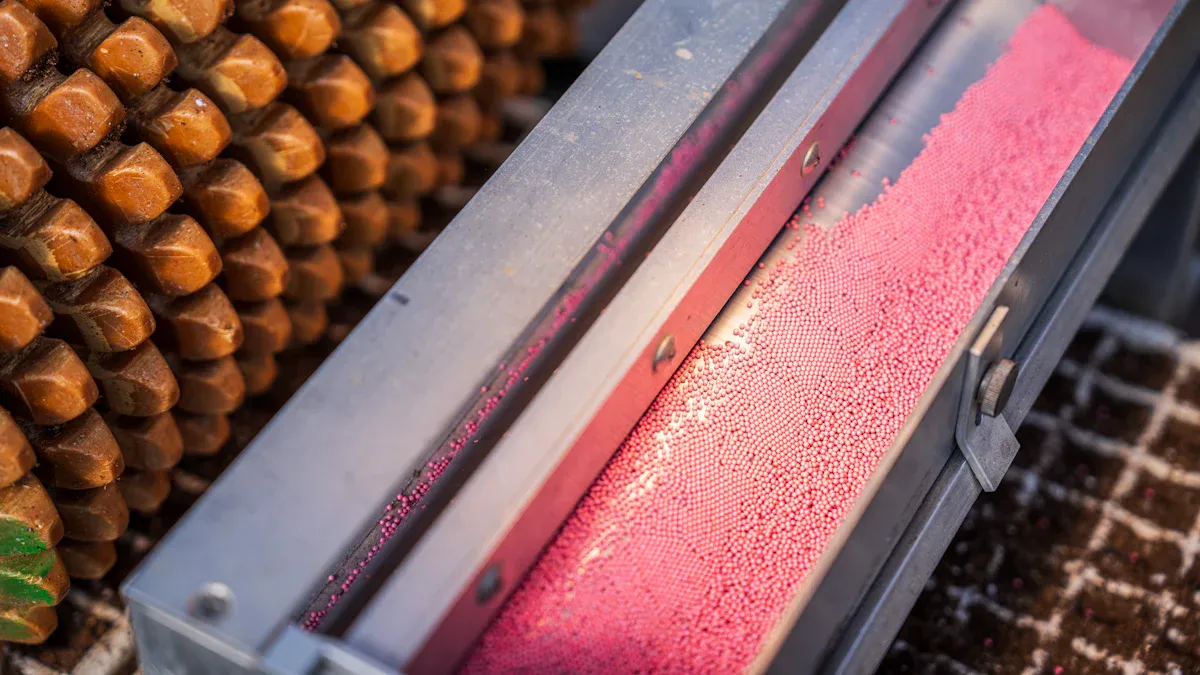
In the food processing industry, stainless bearings are essential for maintaining hygiene and efficiency. You will find these bearings in various equipment, including mixers, conveyors, and packaging machines. Their unique properties make them ideal for environments where cleanliness is paramount.
- Hygienic Design: Stainless bearings facilitate easier cleaning, which reduces the risk of bacterial contamination. Their smooth surfaces prevent food particles from accumulating, ensuring compliance with strict hygiene standards.
- Corrosion Resistance: Equipment often encounters water and acidic substances. Stainless bearings resist rust, which can lead to contamination and equipment failure.
Here’s a quick overview of the key properties that make stainless bearings suitable for food processing:
| Property | Description |
|---|---|
| Non-toxic | Stainless steel is safe for contact with food and food-related surfaces. |
| Corrosion-resistant | Prevents rust, which can lead to contamination and equipment failure. |
| Hygienic design | Facilitates easier cleaning and reduces bacterial contamination risks. |
Additionally, stainless bearings comply with FDA regulations. They are non-reactive and non-contaminating, which is essential for food safety.
Stainless bearings also help reduce maintenance costs in high-speed food processing machinery. They are engineered to endure demanding conditions, including exposure to corrosive substances and high-pressure cleaning. Their design incorporates food-grade solid lubricants that do not require reapplication, significantly cutting down on maintenance efforts. Furthermore, their washdown-resistant properties help prevent contamination, prolonging their operational lifespan and minimizing the need for frequent replacements.
By choosing stainless bearings for your food processing equipment, you enhance both safety and efficiency, ensuring that your operations run smoothly.
Medical Devices Featuring Stainless Bearings
In the medical field, stainless bearings are crucial for ensuring the safety and effectiveness of various devices. You will find these bearings in surgical instruments, imaging equipment, and implantable devices. Their unique properties make them ideal for applications where precision and reliability are paramount.
- Biocompatibility: Stainless steel wire is highly biocompatible, making it suitable for medical applications. It minimizes adverse reactions in the body, which is essential for patient safety.
- Corrosion Resistance: Type 465 stainless steel exhibits superior resistance to pitting and crevice corrosion. This quality is crucial for long-term implants that remain in the body for extended periods.
- Chemical Stability: The chemical properties of stainless bearings enhance biocompatibility, ensuring minimal risk of adverse reactions.
Here’s a quick overview of the biocompatibility advantages of stainless bearings:
| Advantage | Description |
|---|---|
| Biocompatibility | Both Type 455 and 465 stainless steels minimize adverse reactions in the body. |
| Corrosion Resistance | Type 465 exhibits superior resistance to pitting and crevice corrosion, crucial for long-term implants. |
| Chemical Stability | The chemical properties enhance biocompatibility, ensuring minimal risk of adverse reactions. |
Stainless bearings also enhance the precision and reliability of surgical instruments. Consider the following benefits:
- High rotational power is essential for surgical instruments that perform rapid movements, ensuring efficiency and precision during procedures.
- Resistance to oxidation and corrosion is crucial for the durability of bearings, especially in environments exposed to humidity or bodily fluids.
- Smooth and controlled movements provided by precision bearings are vital for delicate surgical operations, enhancing overall reliability and patient safety.
By incorporating stainless bearings into medical devices, you improve both performance and patient outcomes. Their durability and resistance to harsh conditions make them an excellent choice for the medical industry.
Automotive Performance Parts Using Stainless Bearings
In the automotive industry, stainless bearings are essential for enhancing the performance of various components. You will find these bearings in applications such as wheel hubs, transmissions, and engine assemblies. Their unique properties significantly improve vehicle efficiency and reliability.
-
Exceptional Corrosion Resistance: Stainless bearings excel in wet or humid conditions. This quality significantly enhances their lifespan compared to traditional bearings.
-
Smoother Rotation: Stainless steel bearings provide smoother rotation due to reduced friction. This improvement enhances acceleration and maneuverability, which is crucial for high-performance vehicles.
Here’s a quick comparison of the performance aspects between stainless steel bearings and traditional bearings:
| Aspect | Stainless Steel Bearings | Traditional Bearings |
|---|---|---|
| Durability | Superior | Inferior |
| Corrosion Resistance | High | Low |
| Replacement Frequency | Lower | Higher |
Investing in stainless bearings offers several advantages:
- Higher load capacity
- Better stress tolerance
- Maintains performance without compromising integrity
By choosing stainless bearings, you ensure that your automotive parts withstand the rigors of high-speed use. The extended lifecycle and reduced need for replacement make these bearings a wise economic decision. As you consider upgrades for your vehicle, remember that quality components lead to better overall performance.
Investing in quality over quantity demonstrates better value for money. The long-term benefits of stainless bearings far outweigh the initial costs.
Stainless bearings provide significant advantages in high-speed applications. Their corrosion resistance and durability enhance longevity and reliability, making them ideal for various industries. By understanding the applications of stainless bearings, you can improve performance and efficiency in your operations.
Consider the following benefits:
- Longevity: Stainless bearings can increase fatigue life by a factor of approximately four, ensuring they last longer in demanding environments.
- Reduced Downtime: Their corrosion resistance and longer lubrication life minimize maintenance needs, leading to lower downtime and costs.
Investing in stainless bearings not only boosts your equipment’s performance but also contributes to overall operational efficiency.
FAQ
What are stainless bearings?
Stainless bearings are components made from stainless steel that reduce friction between moving parts. They excel in high-speed applications due to their corrosion resistance, durability, and ability to withstand extreme conditions.
Why choose stainless bearings over traditional bearings?
You should choose stainless bearings for their superior corrosion resistance and longevity. They perform better in harsh environments, reducing maintenance needs and downtime, which ultimately enhances operational efficiency.
How do stainless bearings improve performance in automotive applications?
In automotive applications, stainless bearings provide smoother rotation and higher load capacity. Their durability under stress enhances vehicle performance, leading to better acceleration and maneuverability.
Are stainless bearings suitable for food processing equipment?
Yes, stainless bearings are ideal for food processing equipment. Their hygienic design and corrosion resistance ensure compliance with safety standards, minimizing contamination risks while maintaining efficiency.
How can I determine the right stainless bearing for my application?
To determine the right stainless bearing, assess your specific application requirements, including load capacity, speed, and environmental conditions. Consulting with a bearing specialist can also help you make an informed decision.